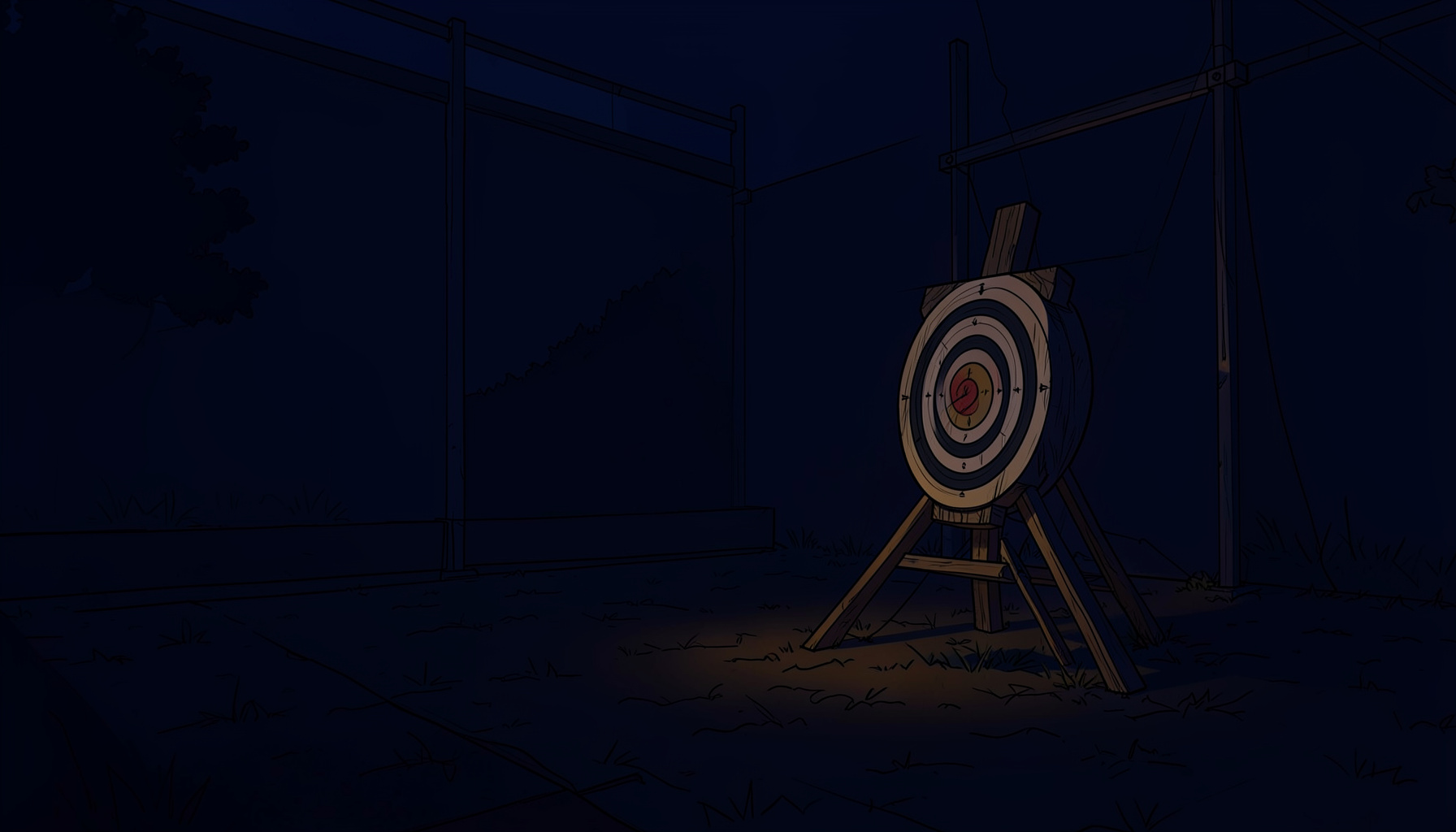
Archery across forest and mountain country
Archery and the outdoors reward patience, balance and sound judgement. A quiet forest lane can punish a rushed setup, while a steep mountain course adds distance, wind and uneven footing before the arrow even leaves the bow. Success comes from a repeatable routine that survives changing light, tangled vegetation and shifting weather.
For Australian archers, those conditions are familiar in the eucalyptus forests around the Blue Mountains west of Sydney, the Dandenong Ranges outside Melbourne and the dry, rocky slopes of the Adelaide Hills. Each setting compresses distance and channels wind differently. A bow that feels relaxed on a flat club range may feel abrupt on a narrow hillside, where the ground rises between archer and target.
Good field craft also depends on community. Local clubs expose beginners to safe releases, practical coaching and the shared courtesies of Australian shooting days, where a formal round may end with a barbecue and relaxed conversation about equipment. Experienced archers can refine technique, test field arrows and compare notes on courses that no single suburban range can reproduce.
| Terrain | Suitable archery style | Main challenge | Practical adjustment |
|---|---|---|---|
| Dense eucalyptus forest | Traditional or recurve | Short sight lines | Prioritise balance and clearance |
| Rocky mountain slope | Recurve or compound | Uphill angle and wind | Set footing before aiming |
| Open grassland | Compound or recurve | Crosswind | Read the breeze before drawing |
| Mixed 3D course | Compound or field bow | Occluded silhouettes | Scan every possible approach |
Match the bow to the terrain
The terrain should influence the bow, not dictate a ritual favourite. Traditional longbows and wooden recurves are quiet and forgiving in woodland, where branches restrict a long follow-through. A modern recurve gives consistency across mixed ground, while a compound is efficient on open slopes. Field-event rules may restrict equipment, so check local conditions before changing bows.
Arrows need equal attention. Target points suit many target and 3D rounds; broadheads demand extra clearance, dedicated practice and permission under the relevant Australian state or territory rules. The value of a multi-discipline community is clear in Corsica, where Inseme Cargese supports traditional, recurve, compound, field and 3D guidance for different outdoor goals.
Australian buyers can find recurve packages, compound bows, release aids, carbon arrows and field points through specialist bow shops across the country’s capital cities. Many clubs also offer introductory hire or loan arrangements. Draw weight, arrow spine, point weight and the ability to hold a stable position should be tested together beside real targets at mixed distances.
Read wind, light and elevation
Wind in an eucalyptus corridor can arrive in pockets and reverse near clearings. Branches block a full sight picture, making balance, release and scanning more important than a precise sight. In open mountain country, crosswind is obvious, but rising ground can hide its strength. Read vegetation, dust and flagging before choosing a position.
On a hillside, set the feet before judging the shot. Point them roughly toward the target, soften the knees and balance weight rather than leaning downhill. A level bow does not guarantee a level shot on sloping ground, so compare target elevation with eye line and estimate true distance. Any holdover should come from measured practice, not instinct alone.
Light changes quickly beneath dry sclerophyll canopy. Glare can bleach a target face, while shade hides its edges. Use matte colour bands, confirm that arrows will miss safely, and let the eyes adjust before settling. The same discipline applies to 3D silhouettes, where partial views and shadow can make a familiar target seem larger or farther away.
Pack for weather, distance and safety
A field kit should be light enough to climb with and robust enough for damp ground. A compact bow case, quiver, target-point container, bow stringer, knife, scorecard and pencil cover the core needs. Add a first-aid kit, whistle, charged phone, offline map and emergency contacts. Sharp points belong in a secure container, never loose in a pocket.
Summer heat deserves as much attention as rain. Carry water, electrolytes, sunscreen, a brimmed hat and light sleeves; UV is strong even when the target sits in shade. Mountain weather can change quickly, so a packable rain shell and warm layer matter in exposed ranges. Footwear needs grip on wet rock, roots and loose gravel.
The same design principle appears in other sports: a guide to Zwift racing accessories shows how inexpensive additions can complement a core setup. An archer’s equivalents might be a padded foot tab, secure arrow quiver, consistent release aid or second shooting tab. Each should solve a known comfort or consistency problem rather than simply look technical.
Train within local access and safety rules
Training should match the country rather than remain on a flat range. Australian clubs often arrange field rounds, 3D courses and coached walks through bushland, combining competitive shooting with the club barbecue tradition common at field events. Beginners learn spacing, arrow recovery and etiquette, while experienced archers practise reading terrain under time pressure and uncertain sight lines.
Before travelling, check access rules for national parks, state parks, reserve land and private property, plus any local archery club directions. Broadhead use and projectile rules differ across Australian jurisdictions, and some areas prohibit archery entirely. Stay well away from roads, houses, trails and other users, and retrieve every arrow without leaving it beside a track.
Build a simple safety routine for each outing: inspect the ground, agree on a clear shooting lane, identify a safe backstop, check the forecast and tell someone the route. Use a buddy system where tracks are remote. Weather, fatigue or an uncertain line is a reason to move or stop, not to squeeze a marginal shot through people.
Keep the field standard
Success outdoors is measured by consistency rather than spectacular distances. A sound setup, unhurried draw, clean release and the judgement to wait for better conditions usually outperform a forced attempt. That calm rhythm transfers across traditional target practice, recurve competition, compound events and 3D courses, even though each discipline makes different demands.
The principle to remember is simple: match the equipment to the ground, respect the landscape and its rules, and treat every arrow as part of a deliberate safety system rather than a test of nerve.