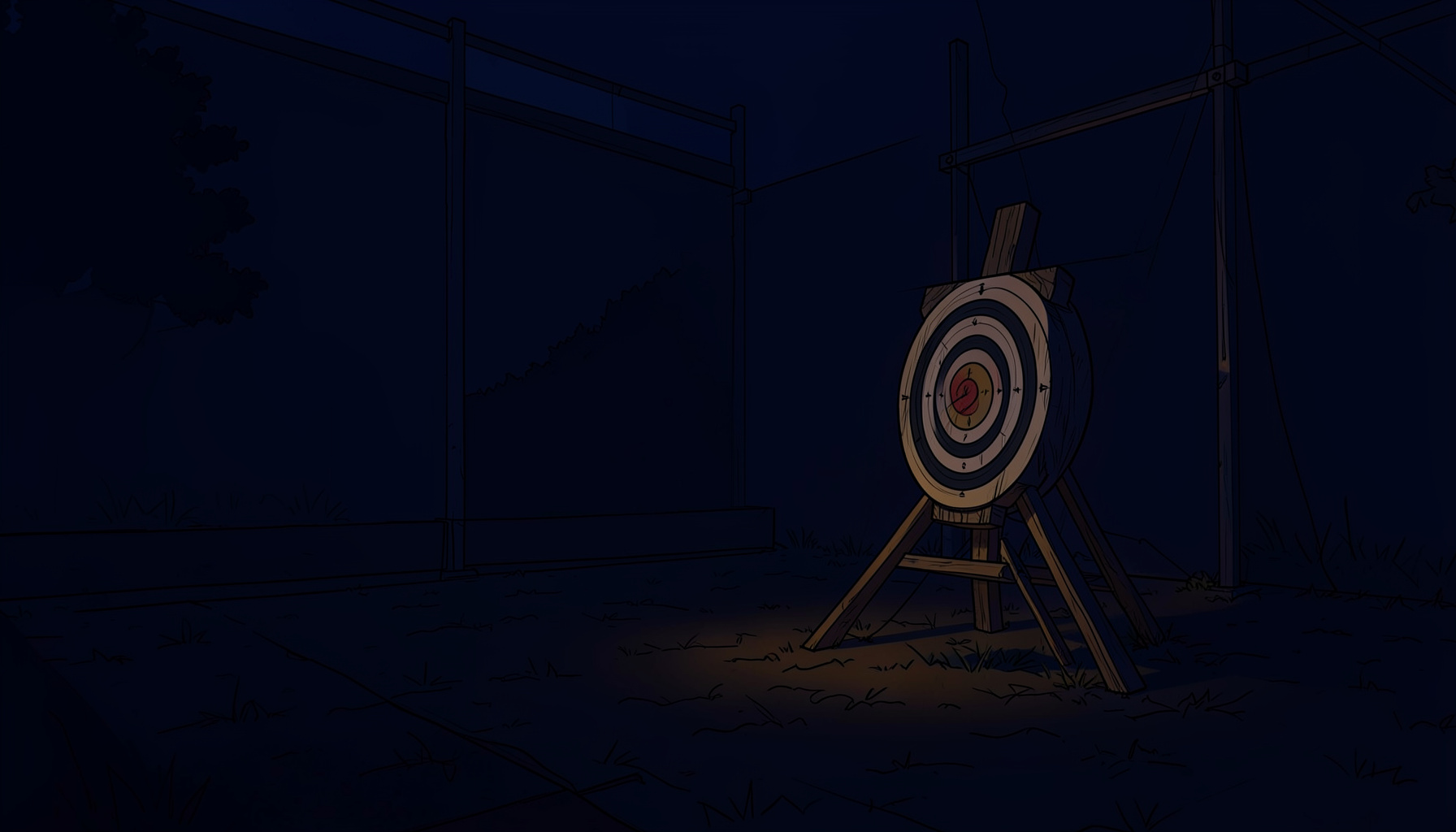
Field Archery Etiquette for Walking the Course Properly
Field archery combines accurate shooting with a walk through changing terrain. Targets may sit among trees, across a slope, beside a creek or at the end of a narrow bush track, so good manners protect people, equipment and the course itself.
The safest approach is simple: stay with your group, follow the marked route, wait for the all-clear and leave the environment as you found it. These habits matter whether you are shooting a traditional bow at a local club or joining a formal field round in Australia.
| Course situation | Appropriate behaviour | Why it matters |
|---|---|---|
| Moving between targets | Walk on the marked path and stay together | Prevents lost archers and damaged vegetation |
| Arriving at a target | Wait behind the shooting line or peg | Keeps the range controlled |
| Searching for arrows | Tell the group and use a lookout | Stops people walking into a live target lane |
| Overtaking another group | Ask politely and wait for permission | Avoids confusion on compact courses |
| Encountering wildlife | Pause, give it space and notify an official | Protects both animals and archers |
Wait for the Range to Be Clear
Before nocking an arrow, check the target face, the ground around it and the area beyond the target. Field courses can have blind angles, uneven land and neighbouring shooting lanes that are hidden by scrub. Never assume a target is safe simply because you cannot see anyone.
A clear signal should be understood by everyone in the group. Follow the club’s instructions for verbal calls, whistles or raised bows, and repeat the signal only when appropriate. If an archer is still looking for an arrow, nobody should shoot until that person has returned behind the waiting line.
Follow the Marked Route
The pegs, arrows and course signs are there to guide both shooting position and foot traffic. Walk from one target to the next in the intended direction rather than cutting across the bush to save time. Shortcuts can expose you to another group, erode the soil or disturb a target’s safety zone.
Keep your bow pointed safely while walking, particularly on steep ground. A strung bow can catch on branches, and loose arrows in a quiver should be secured. In places such as the Blue Mountains or the Adelaide Hills, rocky surfaces and sudden drops make sensible footwear and steady pacing part of proper range etiquette.
Give Groups Space
Field archery works best when groups maintain a comfortable rhythm. If your group catches the one ahead, wait at the designated area rather than crowding the target. A friendly “How’s it going?” is fine, but do not pressure slower archers or interrupt their scoring and arrow collection.
If the course permits overtaking, ask the group in front and follow the marshal’s direction. Faster shooting is not a reason to ignore safety procedures. On a busy Australian weekend, especially when a club is hosting a come-and-try session, patience helps beginners feel welcome and keeps the round running smoothly.
Search for Arrows Carefully
Arrow searching is one of the highest-risk moments on a course. Tell every member of your group before stepping forward, and place a person where they can be seen by anyone approaching from behind. A bow laid across the path or an agreed warning call can provide an additional signal, but these should support rather than replace supervision.
Search methodically from the target backwards, watching for arrows in grass, leaf litter and soft soil. Do not move another archer’s equipment without permission. If an arrow remains missing, mark the location and return later if the range officer allows it; damaging the ground or delaying every group is poor form.
Respect Land, Wildlife and Weather
Field courses often share space with wildlife and sensitive vegetation. Keep to existing tracks, close gates, carry out rubbish and avoid touching nests, plants or fences. If a kangaroo, snake or other animal appears, stop moving, give it a clear escape route and tell the club official. Never shoot towards wildlife or try to drive it away.
Australian conditions can change quickly. A hot arvo, sudden storm or total fire ban may affect whether a course can operate. Check the club’s rules before travelling, carry water and take sun protection seriously. Visitors arranging transport between accommodation and a remote course may also find these transfer details useful when planning a full day outdoors.
Keep Equipment and Conversation Courteous
Carry arrows in a secure quiver and inspect them for cracks before shooting. If a bow, release aid or stabiliser fails, step away from the shooting area before making adjustments. Share equipment advice when it is welcomed, but avoid handling another person’s bow or changing their settings without consent.
Quiet concentration is important during the shot, while relaxed conversation is welcome when nobody is drawing. Archers using different styles may have different anchor points and release methods. Reading about a Mediterranean draw can build understanding, but technique discussions should never distract someone on the peg.
Finish the Round Responsibly
At the final target, check the area for rubbish, broken nocks and forgotten arrows. Return borrowed gear, report damaged targets or unsafe sections and thank the people who set out the course. Many Australian clubs rely on working bees, volunteer judges and members who maintain tracks, so leaving the range tidy is a meaningful contribution.
New archers should ask an experienced member about local signals, shooting pegs and emergency procedures before their first round. At Inseme Cargese, visitors can use the club contact page to clarify training and course arrangements before arriving. The practical rule is easy to remember: walk the marked route, wait for a clear range, protect the bush and leave every target ready for the next group.