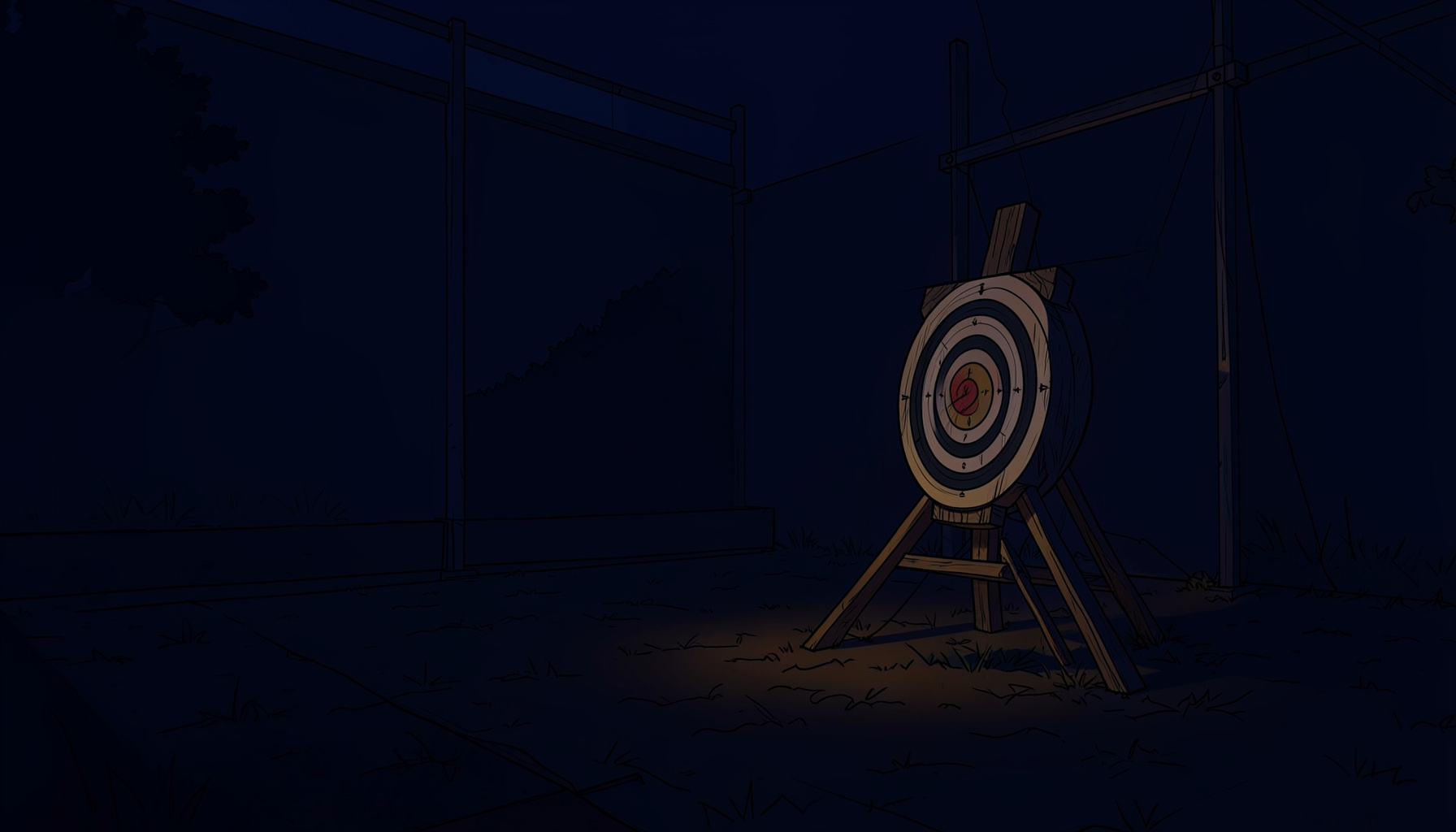
Building an at-home archery practice routine that works
Squeezing meaningful archery practice into a busy week often means trading the open range for the quiet of a backyard, garage, or living room. For Australian archers juggling commutes between Brisbane and Perth suburbs, weekend sport, and unpredictable coastal weather, home practice can be the difference between standing still and steadily improving. A reliable at-home archery practice routine lets you draw the bow on your own schedule and repeat the same movement hundreds of times without waiting for club night.
Archery looks simple from the outside but hides layers of technique easy to practise poorly. Without a coach nearby, bad habits creep in and motivation drifts. The right home structure mirrors what elite academies do: short focused blocks, specific drills, honest tracking. Borrowed from other precision sports, like the chanbara training method described in this practical guide, the goal is to turn a few square metres into a productive training zone.
Whether you shoot recurve, compound, or traditional gear, the framework below adapts to indoor setups and suburban backyards across Australia, and assumes you will still visit a local club for supervised shooting.
Evaluating your home shooting environment
Walk the space you have and be honest about its limits. A typical Adelaide or Melbourne block might give 10 to 15 metres of safe shooting distance, plenty for form work and short-range scoring. Garages, carports, and long hallways can host a target stand, a backstop net, and a marked shooting line. Look for solid walls behind the target, enough overhead clearance for a full draw, and a stable floor.
Outdoor shooters in regional New South Wales or Tasmania should think about wind, sun glare, and the angle of light at different times of day. Shade cloth and gazebos help manage both. Council rules on backyard archery vary across Australian states, so a quick check of local noise and safety guidelines avoids awkward conversations. Indoor practitioners need good ventilation and a target rated for their draw weight.
Defining clear practice goals
A routine without a goal is just repetition, and repetition without intent rarely improves scores. Pick two or three measurable targets for the next eight to twelve weeks: a tighter group at 18 metres, a longer hold, a faster loose, or a cleaner anchor point. Write them down somewhere visible and revisit them every fortnight.
Goals should match your discipline. Field archers need different drills than recurve target archers chasing a 580 score, and traditional bowyers focus on instinctive aim and barebow follow-through. Compound shooters tuning their release at home benefit from timing drills. Whatever the goal, phrase it in numbers and dates, then build each session around it.
Structuring your weekly schedule
Most archers settle into three to five short sessions a week rather than one exhausting marathon. A balanced week might include a 20-minute dry-fire block on Monday, a 40-arrow scoring session on Wednesday, an equipment hour on Friday, and a light technique review on the weekend. Rest days matter; tendons recover slower than people expect.
If your week is already full of junior sport runs and early starts, two well-designed sessions will outperform five rushed ones. Many find early morning sessions cooler and less windy in summer, while winter afternoons are calmer inland. Lock in two recurring slots and protect them like a club commitment.
Mastering form with dry-fire drills
Dry-fire is the single most valuable tool in any at-home archery practice routine. With an unloaded bow, a clicker pad or target butt, and a mirror, you can rehearse set-up, draw, anchor, transfer, and release without firing a single arrow. Twenty slow, focused draws each morning builds neural pathways that hundreds of rushed shots never touch. Always confirm the bow is empty, no one is downrange, and your dry-fire bag is rated for your draw weight.
Rotate one or two cues per session. Monday might focus on the hand position in the grip and a relaxed lower hand. Wednesday might isolate back tension and shoulder blade movement. Keep a notebook next to your shooting line and jot down what felt off, what clicked, and what to test next time.
Building bow-specific strength and conditioning
Archery rewards a strong, stable, and quiet body more than brute force. A 15-minute bodyweight circuit three times a week supports any practice routine: rows, banded external rotations, scapular pull-downs, dead bugs, and farmer carries with a heavy pack. Many Australian archers add a park walk or a swim at the local aquatic centre for aerobic recovery.
Avoid heavy bench pressing and behind-the-neck pressing, which shorten the pecs and rotate the shoulders forward. If you train at a Sydney or Hobart gym, ask a coach to review your pressing programme with archery in mind. Mobility work for hips and ankles helps too, especially for 3D archers on uneven ground.
Tracking progress and adjusting your plan
Numbers tell the truth that memory edits. Keep a simple log: date, session length, drill focus, arrow count, group size, and a one-line note on how it felt. Photos of target faces beat written scores. Every four to six weeks, lay the photos side by side and check honestly whether groups are tightening and scores are climbing.
When something stops improving, change one variable at a time and test it for at least two weeks: new serving, new plunger tension, new grip, or a new pre-shot routine. The aim is to learn what you and your bow are responding to. The archery community at Inseme Cargese runs a contact channel where archers can share logs.
Habits worth keeping in mind
- Treat every drawn bow as if it were loaded, even at home.
- Store bows, arrows, and broadheads away from children, pets, and visitors.
- Replace nocks, strings, and serving before they fail, and inspect them at every session.
- Include one piece of arrow-building or maintenance in every practice block.
- Step away from the bow the moment your form starts to collapse.
- Re-shoot a familiar benchmark score monthly to track real progress.
Pick one spot in your home this weekend, mark a two-metre shooting line, hang a layered target, and run a single ten-arrow end at your nearest comfortable distance. Inseme Cargese keeps a list of affiliated groups across the eastern seaboard. Log the result, note one thing to change, then book the next practice slot on the family calendar before you put the bow away.