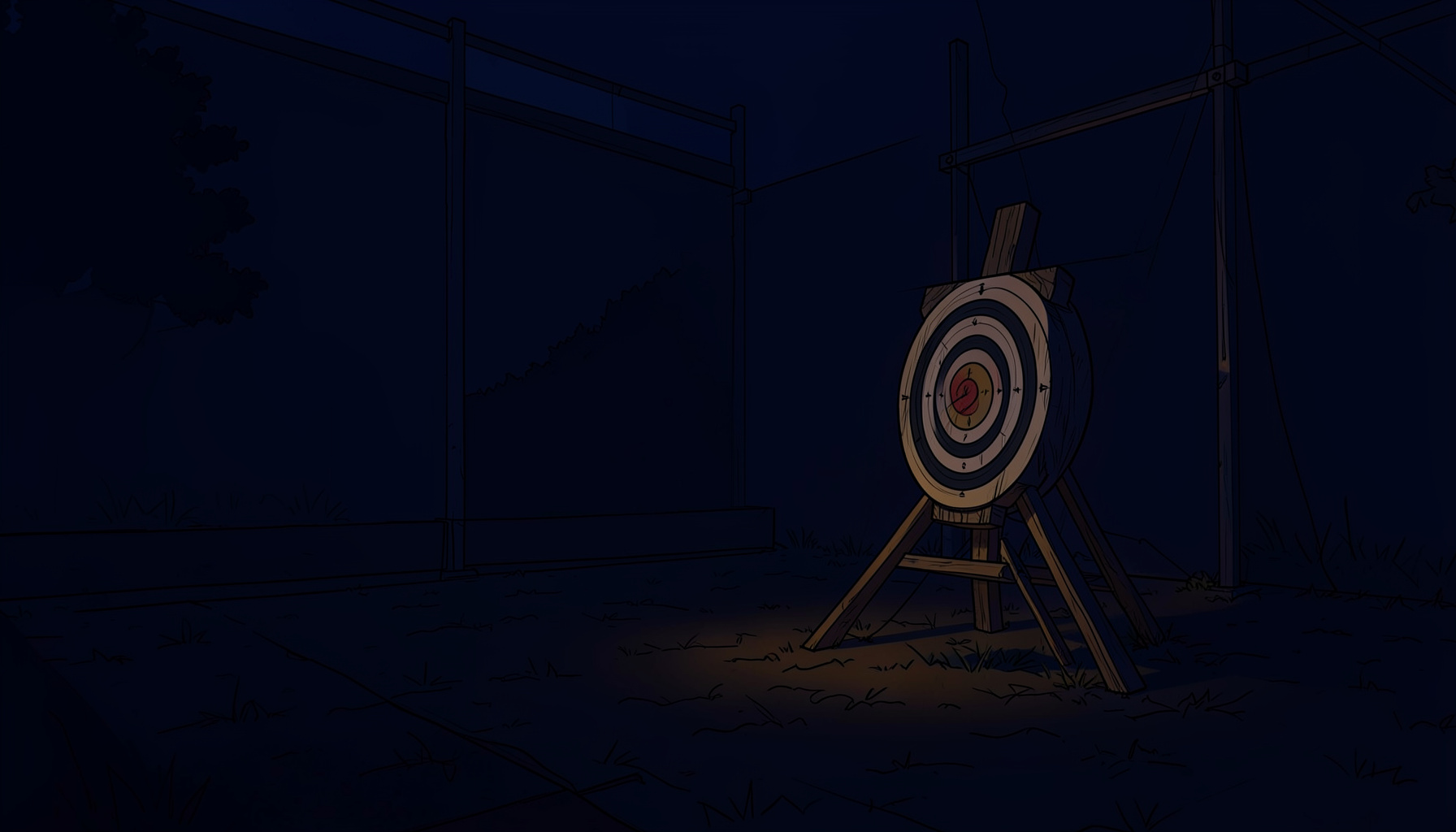
Building a Safer Club Archery Range
A safe archery range layout is more than a line of target butts. It is a controlled sequence of shooting lines, waiting areas, equipment zones, impact areas and backstops. Inseme Cargese on the Corsican coast welcomes traditional, recurve, compound, field and 3D archers, so any shared layout must accommodate different arrow speeds, course styles and participant numbers.
For an Australian club, the design must also meet council conditions, state work health and safety duties, insurance requirements, summer heat, coastal wind and rules for public access. Start with a documented site walk and risk assessment, and involve a qualified coach, first-aid contact and insurer before setting permanent boundaries.
Map the range from the shooting line backward
Walk the site in the direction an arrow could travel, beginning at the shooting line and continuing through the waiting line, target butt and possible overshoot area. Keep spectators, parked cars, walking tracks, neighbouring properties and communal facilities outside that direction. A backstop should be large enough for the discipline and distance in use, securely anchored where required, and positioned beyond every intended impact point.
Mark all distances in metres and use large, weather-resistant signs for the shooting line, waiting line and range boundaries. Australian clubs in Sydney, Melbourne, Brisbane and Adelaide commonly work in metres rather than yards, while field courses need visible stakes or plates for each marked distance. Coaching at the line should reinforce follow-through fundamentals, because a balanced finish cannot compensate for an unsafe distance or unclear commands.
Separate archers, equipment and spectators
Create distinct zones for archers waiting to shoot, equipment preparation, target repair and observation. A long waiting and staging area can prevent queues from forming beside loaded bows, while a spectator area set to the side keeps people out of the arrow corridor. Provide stable seating, accessible paths and shade so carers, junior archers and volunteers can wait comfortably without entering the firing area.
Access to a target should be controlled by a range officer or the appointed session lead. Only shoot when everyone is behind the correct line, and use a clear start, stop and all-clear sequence that every member understands. For busy meets, separate the field-of-play route from the target-maintenance route; otherwise a retrieval team may cross an active lane while equipment is being carried across the range.
Compare layouts for different disciplines
Fixed-line target rounds suit the centre of a range, with adequate spacing between adjacent targets so a bow, target stand or archer cannot affect the next lane. Compound equipment needs room for stabilisers and a wider equipment station, while lighter recurve and traditional equipment can use compact shooting lines. For multi-round club competitions, the HOG 76 scoring system can organise target and field rounds under consistent conditions.
Field and 3D courses require a different plan because shooting angles, slopes and target positions vary. Identify each firing point, remove unsafe shortcuts, protect vulnerable trees and structures, and ensure a missed arrow has a safe landing area. Keep signs and participant numbers legible without placing them where an archer might focus on them instead of the target.
| Discipline | Suitable layout | Typical distance | Critical control |
|---|---|---|---|
| Traditional and recurve | Fixed lanes with individual shooting spaces | 18–70 m | Full-size backstop and clear firing lines |
| Compound | Fixed lanes with wider equipment stations | 30–70 m | Extra lateral clearance and reinforced target stands |
| Field | Marked course around natural obstacles | 18–60 m marked points | Protected firing points and inspected vegetation |
| 3D | Dedicated course with varied target angles | Course-defined | Clear sightlines, safe retrieval routes and controlled access |
Build Australian weather and site safeguards
Australian weather can change quickly: Sydney’s coastal crosswinds, Melbourne’s gusts and Adelaide’s summer heat each affect both people and equipment. Weight target stands for stronger wind, remove loose signs and banners, provide drinking water and sunscreen, and suspend shooting when lightning or unsafe heat makes the range hazardous. Check forecasts and local fire-danger conditions before travelling to regional events.
The club’s risk assessment should follow the work health and safety law in its state, such as SafeWork NSW or WorkSafe Victoria, and should be reviewed after incidents or material site changes. Public liability insurance, a maintained first-aid kit, an emergency contact list and unobstructed vehicle access are normal controls for Australian venues. Consult the local council about lighting, noise, temporary structures and any event permit needed for competitions.
Australian buyers can source recurve and compound equipment from specialist archery retailers and the broader online market, including locally familiar brands such as WIA and Mathews. Clubs importing gear should allow for GST, freight and customs clearance. When arrows are replaced, a qualified coach can guide arrow spine selection so shafts flex predictably and match the bow, arrow length and intended draw weight.
Operate, maintain and remember the essentials
A range becomes safer through routine checks and clear responsibility rather than signs alone. These controls should appear in the club’s range procedure and be discussed at every session:
- Appoint a range officer for each session and give one person authority to start, stop and clear the range.
- Inspect shooting lines, backstops, target stands, signs and ground conditions before the first arrow is nocked.
- Use the same start, stop and all-clear commands, and make sure visitors and juniors understand them.
- Maintain a weather plan, first-aid access and an unobstructed emergency route throughout the session.
- Record incidents and near misses, then review controls and communicate changes.
Keep the site plan, risk assessment, emergency contacts and equipment maintenance records current, and include juniors and new members in safety briefings. Review near misses promptly, adjust the layout when needed and share relevant lessons with other Australian clubs and the state association.
What matters most is that every archer reaches the target safely, stops on command and leaves the range without exposing another person, a road, a building or the wider community to a stray arrow.