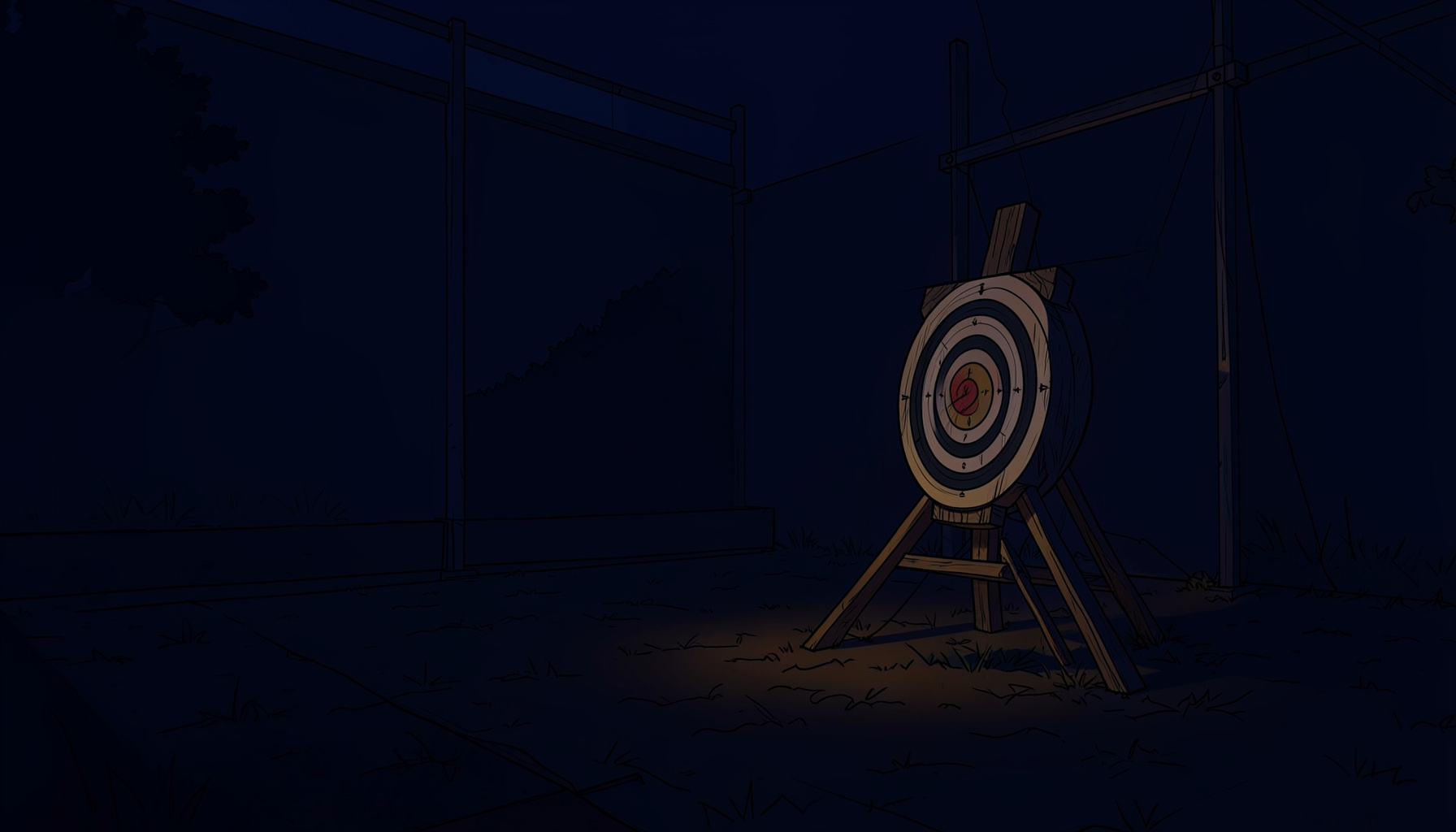
How to Deal with Target Panic in Competitive Archery
Target panic can appear as a sudden urge to release, an inability to reach anchor, or a tense freeze when the sight settles on the gold. It affects beginners and experienced competitors across recurve, compound, traditional, field and 3D archery. The problem is usually a learned stress response rather than a lack of courage or discipline.
Competitive pressure makes the bow feel different. A score, a ranking, a waiting line or the attention of other archers can turn a familiar shot cycle into a rushed decision. Learning to recognise the response early gives you something practical to work with.
Australian conditions add their own variables. A morning session in Brisbane may be hot and humid, while wind beside the coast near Perth or Sydney can expose technical weaknesses. Clubs, including Inseme Cargese, can provide a controlled setting where safety, equipment checks and repeatable practice support steady progress.
| Sign of pressure | Useful response |
|---|---|
| Releasing before full alignment | Return to a blank boss and rebuild the shot |
| Freezing at full draw | Use a calm let-down routine |
| Collapsing the bow arm | Reduce draw weight and strengthen the sequence |
| Watching the sight too closely | Focus on expansion and execution |
| Panic during scoring | Follow the same pre-shot process as practice |
Recognise the pattern before changing it
Target panic often begins before the arrow reaches the nocking point. You may hurry the draw, grip the handle tightly, hold your breath or stare at the centre as if the sight must be perfectly still. These signs show that attention has shifted from executing the shot to avoiding a bad result.
Keep a short training note after each session. Record the bow style, distance, target face, draw weight, and the moment tension appeared. An archer shooting a compound bow may experience a different trigger from someone using a traditional bow, so specific observations are more useful than a general judgement that the session went badly.
Rebuild a consistent shot cycle
A reliable sequence gives the mind fewer opportunities to negotiate with fear. Establish the same order each time: stance, breathing, grip, hook or release aid, draw, anchor, expansion and follow-through. The beginner stance guide offers a useful reference for checking that the foundation remains stable.
Practise the sequence without demanding a perfect group. At short range, or on a blank boss with no face, concentrate on reaching anchor and letting the bow respond naturally. If the sight becomes threatening, lower the bow safely, breathe out and start again. A deliberate let-down is a successful action, not a failed shot.
Use blank-boss and expansion drills
Blank-boss shooting removes much of the emotional charge created by a gold or a scoring ring. Begin close to the target with a comfortable draw weight. Draw smoothly, settle at anchor, expand through the clicker or release process where relevant, and finish without forcing the timing.
For recurve archers, a light draw weight can make expansion easier to feel. Compound archers can practise holding within a safe range before activating the release. Traditional archers may benefit from rhythm and instinctive aiming drills. In every style, stop before fatigue causes the bow arm to collapse or the release to become hurried.
Separate aiming from execution
A sight is a reference, not an instruction to freeze. The aiming mark will move slightly, even for highly skilled archers. Your task is to keep the movement controlled while continuing the shot process. Trying to eliminate every wobble often creates the very hesitation you want to avoid.
Use a simple internal cue such as “breathe, expand” or “pull through”. Keep it brief and consistent. On a competition face, allow the shot to happen within a comfortable window. If that window closes, let down. This approach is especially valuable in field and 3D rounds, where uneven footing, changing distances and unfamiliar target shapes increase mental load.
Make pressure part of practice
Scoring should be introduced gradually rather than treated as a test of character. Shoot short ends with a defined process goal, such as completing every shot without rushing. Add a timer, a partner observing quietly, or a simulated match only after the basic routine feels dependable.
The history of the sport can also provide perspective. Exploring Corsican archery history shows how archery has long combined practical skill, tradition and community. A competition is one expression of that practice, not a final verdict on your ability. Social sessions at a club can help restore enjoyment between formal events.
Check equipment and local conditions
A bow that is too heavy, poorly tuned or uncomfortable can magnify anxiety. Ask a coach to check draw weight, brace height, nocking point, tiller, arrow spine and release aid settings. Australian archers can compare equipment through local pro shops, club networks and second-hand listings, but unfamiliar used gear should be inspected before purchase.
Plan around the conditions common to your area. Early sessions may be more comfortable during a hot Brisbane summer, while coastal wind in Adelaide or Melbourne can make a stable stance and follow-through more important. Use sun protection, carry water and allow time for setup rather than arriving rushed from work or a long commute.
Prepare for competition day
Before a tournament, confirm the range rules, shooting format, equipment category and timing. Australian clubs operate under governing-body requirements and venue policies, while laws concerning bows, transport, hunting and public discharge vary between states and territories. Shoot only at an authorised range or private location where permission and safety arrangements are clear.
Pack a repeatable kit: spare nocks, finger tab or release aid, arrows, tools, water, food and weather protection. Avoid major technical changes in the final days. If you enjoy restoring or maintaining older equipment, the patient approach found in heritage racing groups is a useful reminder that careful preparation matters more than last-minute excitement.
Use a simple reset plan
When panic appears during a round, follow the same sequence every time. Step back from the line if permitted, relax the bow hand, take one slow breath and identify the next physical action. On the shooting line, lower the bow safely if the shot does not develop; never force a release merely to preserve the rhythm of the end.
Progress is measured by better decisions, not by never feeling nervous. A calm let-down, a completed shot cycle and an honest equipment adjustment are all signs of control. At your next club session, shoot three ends at close range on a blank boss and record whether every arrow followed the same breathing, anchor and expansion sequence.