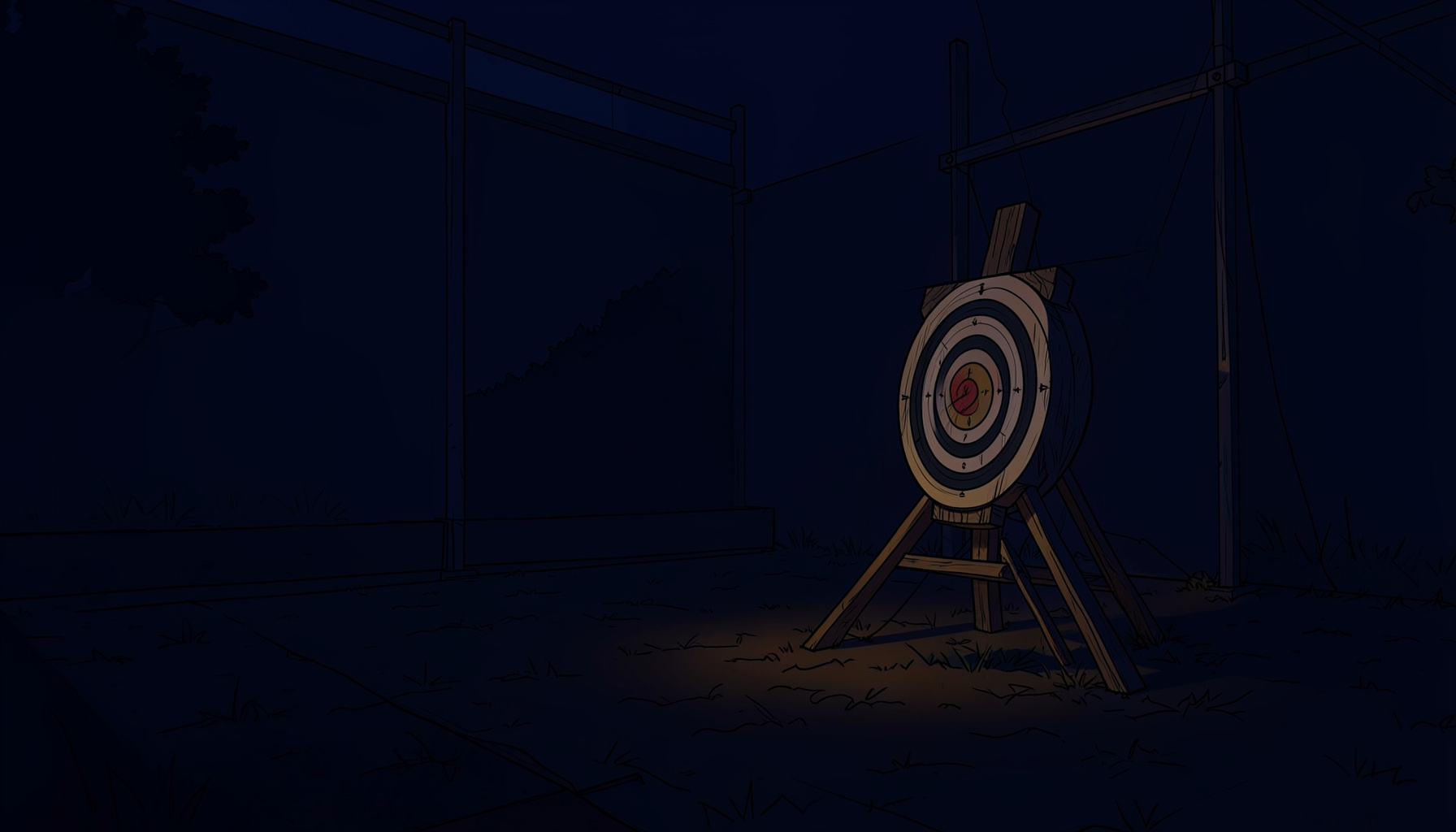
Refining Your Sight Picture for Sharper, More Consistent Arrows
Archery is one of those sports where a tiny adjustment at full draw can move your arrow by a metre at twenty paces. The sight picture is the moment when your sight pin, the target and your focus point all line up the way you'd want just before the release. Many archers chase new bows or fancier sights when the real gains usually sit in training the eye to stay calm and consistent.
At clubs from Marrickville to Perth, coaches keep repeating the same thing: archers who win the mental game of aiming shoot higher scores long before their equipment changes. Whether you are shooting at a club night in Brisbane or at a field round in the bush outside Adelaide, the principles of a good sight picture travel with you. They rely on repeatable body mechanics and a quiet mind more than on the gear in your hand.
Understanding What a Sight Picture Actually Is
A sight picture is the visual snapshot you see at full draw. It includes the sight pin floating somewhere on the target face, the sight ring or scope housing around it, and the aiming point you have chosen. Many beginners confuse this with simple target focus, but a true sight picture is a layered image: where the pin sits, how the target looks behind it, and how clearly your dominant eye locks on a chosen reference.
The pin does not need to sit dead-centre every shot. Most competitive archers aim with a slightly different reference for each distance, knowing their average groups will fall around that point. The goal is repeatability of the relationship between eye, pin and target, not perfection on a single arrow.
Building a Consistent Anchor and String Picture
Before any sight picture can be useful, your anchor point must be the same on every shot. A wandering anchor is the number-one reason sight pictures shift from arrow to arrow, even when the body feels still. Set a deliberate contact point under the chin, a consistent string touch on the nose or lips, and a known hand position behind the jaw, then hold that shape every time.
The string picture is the blur of the bowstring you see in your peripheral vision when both eyes are open. A clean string picture looks symmetrical, with the string appearing as a single vertical line bisecting the riser. If the string looks doubled or skewed, the bow is being torqued, and your sight picture will drift as a result. Working through a beginner’s guide to archery stance and posture helps sort many of the root causes before they show up in the aim.
Finding the Right Focus Point on the Target
There are two main schools: target-focused aiming, where you look at the gold and let the pin float; and sight-focused aiming, where you lock onto the pin and trust it to cover the right spot. Most recurve and compound archers use a mix, drifting focus between the two depending on distance and stability. The trick is knowing which you are doing and doing it the same way each shot.
A useful drill is the blank bale exercise. Shoot at a target butt from close range with your eyes closed after the draw, then open them at the click of the release to see where the pin is sitting. Over time this teaches the visual system to settle on the same aiming point regardless of nerves or fatigue.
Breathing, Tension and the Mental Quiet Before Release
Aim is as much about quieting the body as it is about the eye. A full breath, a slow exhale to roughly seventy percent lung capacity, and a brief natural pause at the bottom of the breath is a reliable rhythm for compound and recurve alike. Shooting on the inhale or with a held breath almost always adds movement to the sight picture in the final seconds.
Mental chatter matters just as much. If you are thinking about the score, the spectators, or the bloke on the next lane, your focus point tends to drift. A short cue word, such as "hold" or "smooth", repeated calmly in the mind, gives the brain something to do other than worry. Many Aussie archers at state titles on the Gold Coast use a single word from their pre-shot routine the same way surfers count waves before a take-off.
Drills That Train Your Eye and Hand to Work Together
Sustained aim work, sometimes called a hold routine, builds the muscles around the shoulder that keep the pin steady. Start with a manageable draw weight, come to full draw, settle into the anchor, and hold the pin on the gold for ten seconds before releasing. Repeat five times, then rest. As the holding time gets easier, the wobble at full draw drops naturally.
Another helpful exercise is the one-arrow challenge. Shoot a single arrow, note the score, then reset and shoot another as if the score does not matter. This trains the brain to treat every shot as its own event, which stops a bad arrow from poisoning the sight picture of the next one. Archers at clubs in the Adelaide Hills and around Lake Macquarie often use this drill to reset after a rough end in a field round.
Adapting Your Sight Picture to Outdoor Conditions in Australia
Shooting outdoors adds wrinkles that indoor ranges don't. Bright sunlight can wash out the sight pin, especially if you are shooting at a range facing north in the middle of the day. A fibre optic sight, a hood, or even a simple piece of tape across the top of the scope can sharpen the contrast against the gold. If you are shooting in the bush near Ballarat or on ranges outside Canberra, dappled shade and wind move the pin in different ways.
Heat shimmer on long field rounds can distort the pin position visually, so the focus point should sit slightly higher in the target on hot afternoons. Wind pushes the arrow after release, but the sight picture should still aim at the spot the arrow would hit in calm air. Reading the mirage and the flag together is a skill that grows with hours on the range, not with new gear.
Working With a Coach or Club to Fine-Tune the Details
Even experienced archers benefit from a fresh set of eyes watching their sight picture. A coach can spot a creeping grip, a tilted head, or a wandering focus point that the archer has stopped noticing. Many clubs around Sydney and Hobart offer a free intro session where a coach will record your shot on a phone and review the aiming line with you afterwards.
Joining a structured session or a club competition also exposes your aim to pressure it does not see during solo practice. The sight picture under a scoreboard is rarely as clean as it is on a quiet arvo in the backyard. Training the aim under mild stress is how the good habits get wired in for the bigger events later in the season.
A Few Habits Worth Keeping in the Kit Bag
- Practise the blank bale drill for five minutes at the start of every session to reset the focus point.
- Set a clear anchor and check it with a mirror once a month, not just by feel.
- Hold at full draw for ten seconds on three arrows per end as a strength and aim warm-up.
- Keep a small notebook of scores and conditions to spot patterns in your sight picture over time.
- Film one end per session from behind to see the string picture the way the coach sees it.
The real trick to a stronger sight picture is doing the same small things often enough that they stop being decisions. Choose the focus point, set the anchor, breathe, hold, and release on a rhythm you trust. Over a season of arvos at the range, those tiny habits compound into groups that tighten up shot after shot, and the gold starts to feel a touch less like a guess.