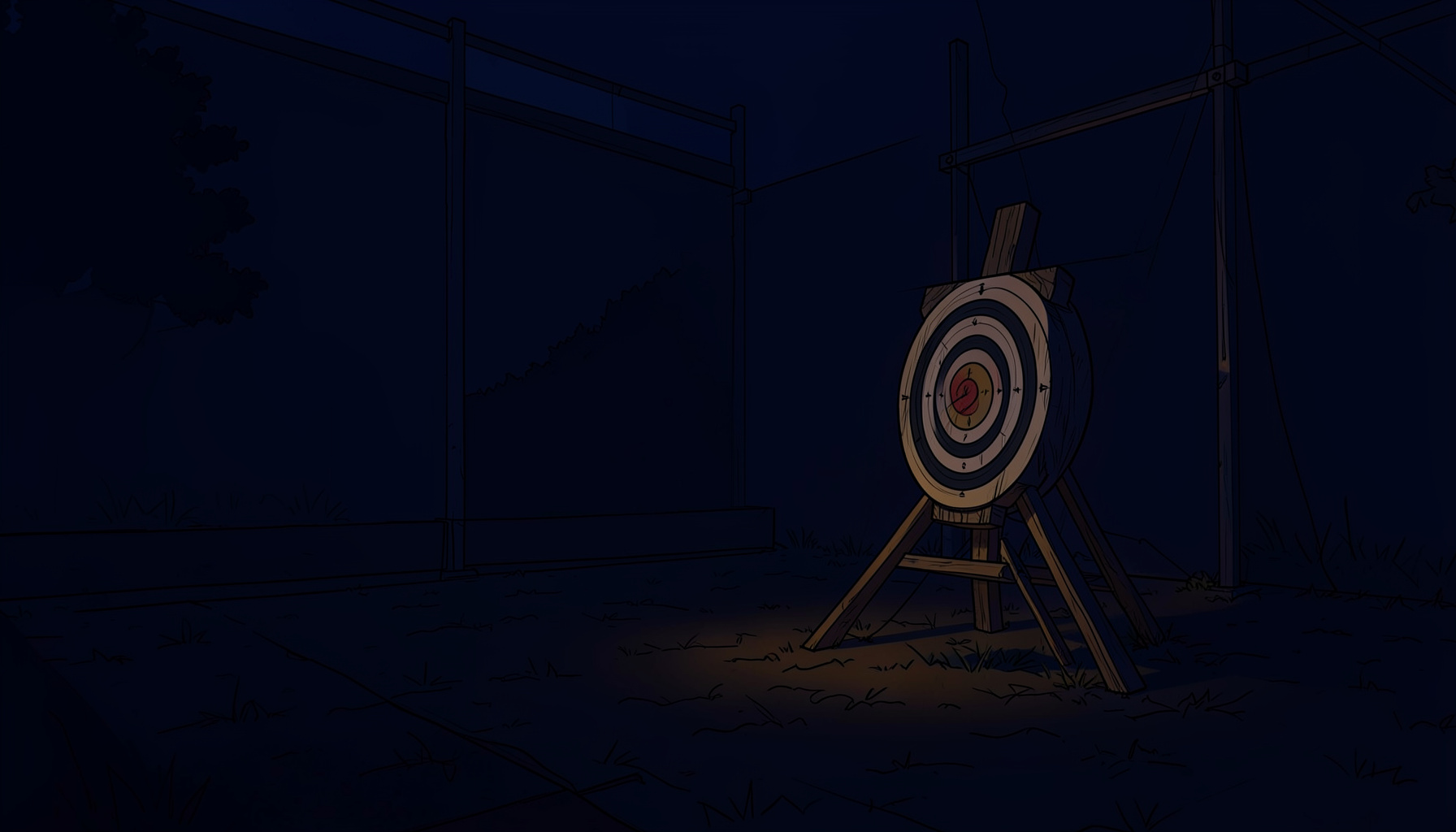
Plan a Safe LED Arrow Night Shoot in Australia
LED arrows can extend a club session into darkness, but brightness alone does not make the range safe. Treat each light as an aid to orientation, communication and arrow retrieval while keeping flight paths and impact zones predictable.
Australian clubs need a plan that suits short winter nights, warm summer evenings and different kinds of range. Sydney and Melbourne venues may be council-managed, while clubs near Wagga Wagga or Toowoomba often rely on volunteer-run country sites.
Participants may include recurve, compound, traditional, field and 3D archers. Group equipment checks and coaching by ability, and keep spectators clearly separated from active shooting lanes.
The social side still counts: a shared meal, friendly conversation and debrief can matter as much as scores. Lighting should support the gathering without creating glare, neighbour complaints or confusion around the range.
Choose a location that supports darkness
Choose a familiar venue with clear boundaries, parking, toilets, emergency access and a first-aid kit. Obtain written permission from the landowner or council, particularly for public ovals in Melbourne or Sydney. Do not use an unmarked public reserve simply because it is dark.
| Lighting method | Relative visibility | Control and limitation | Best role |
|---|---|---|---|
| LED arrow kit | Bright near a dark target | Switchable but battery-dependent | Main shooting method |
| Chemical glow marker | Moderate, then fades | No power; wind-sensitive | Backup and boundary marking |
| Reflective tape | Low unless directly lit | Passive and predictable | Paths, signs and equipment |
Plan against local sunset rather than a fixed clock time. Brisbane and Perth keep standard time throughout the year, whereas Sydney and Melbourne usually shift during daylight saving. Check the moon phase and nearby street lighting before choosing the brightest setting.
Build a layered lighting plan
Use dim area lighting at the waiting bench, a low-output torch at each line and the LED system at the target. Test the combination with the same people who will shoot later, since glare and bright clothing can remove useful contrast.
Point white torches away from archers and keep spectators behind the waiting line. Red or amber lights work around equipment tables, but lasers, strobes and sweeping torch beams should never cross a sightline. Announce any lighting failure before another arrow is drawn.
Check the Bureau of Meteorology forecast for wind, rain and storms. Wind changes arrow flight, lightning ends the session, and local fire-danger restrictions or total fire bans may affect access. Keep paths clear when a range adjoins bushland.
Prepare equipment with two field checklists
Australian archery retailers commonly stock familiar names such as Mybo, Cartel and Gold Tip, while LED fittings are more specialist. Compare the kit instructions with current LED arrow guidance and the warranty terms, because an improvised fitting can alter balance or coverage.
Use only modules intended for the stated arrow and target configuration. Do not drill shafts or use broadheads at a social event. Have a qualified archer or technician test any non-standard assembly at full draw in a clear lane.
Before arrival
- Match each light module to the arrow spine, nock and bow setup.
- Charge every battery and pack spare cells plus a non-electric backup.
- Test the illuminated arrows in a clear lane and remove any that flicker or shift.
At the range
- Fit lights before drawing, with every arrow pointing safely downrange.
- Use blunt field points or approved target heads rather than broadheads.
- Keep spectators behind the waiting line and stop whenever a light fails.
Run a twilight test using the intended targets and distances. Decide whether the lights improve visibility or merely create points of confusion, and treat glow markers only as a backup.
Set range rules and emergency controls
Give one person authority over starts and stops, with the same command used on every lane. A spotter confirms that the target area and corridor are clear. Pair archers for retrieval, count every arrow on return and suspend shooting whenever anyone crosses a boundary.
Consult Traditional Owners and local custodians when a proposed site sits on, or affects, Country. Confirm with state authorities and councils that night archery, sound and temporary lighting are permitted. Keep a charged phone, first-aid kit, emergency contacts and vehicle access ready, and know the nearest urgent-care service.
Schedule people around safe rotations
Use one registration list with arrival time, equipment, lighting experience and emergency contact. Ask participants to arrive at least 30 minutes before full darkness, leaving time for checks and a twilight briefing without rushing the first archer.
Assign a range officer, first-aid lead, equipment tester and retrieval coordinator. Give volunteers the same short script for missing arrows, injuries and lighting faults. The mixed-experience community model used by Corsican club Inseme Cargese in its about section is useful when pairing beginners with confident archers. Finish with an Australian club barbecue or tea, positioned well away from arrows, batteries and first-aid equipment.
Run the session in controlled blocks
Begin with a briefing on boundaries, commands, weather and the meaning of each coloured light. Shoot in pairs or small ability groups, then pause for a controlled target change. Keep warm-up arrows under the same lighting conditions as scored rounds.
Traditional target rounds can share a site with a field or 3D course when space and supervision allow, but use one course format for the group. Explain whether the lights illuminate only on impact, and end each block with a buddy count and equipment reset so scores are recorded only after arrow totals agree.
Close the shoot with clear records
Reconcile arrow counts, collect every light module and log faults, injuries or near misses. Recharge reusable batteries, recycle damaged cells through an appropriate collection point and note which equipment was borrowed or hired.
Record attendance, expenses and agreed changes without adding new features to the event schedule. The next concrete step is to place a 30-minute venue inspection in the club calendar for 5:30 p.m. fourteen days before the proposed shoot.