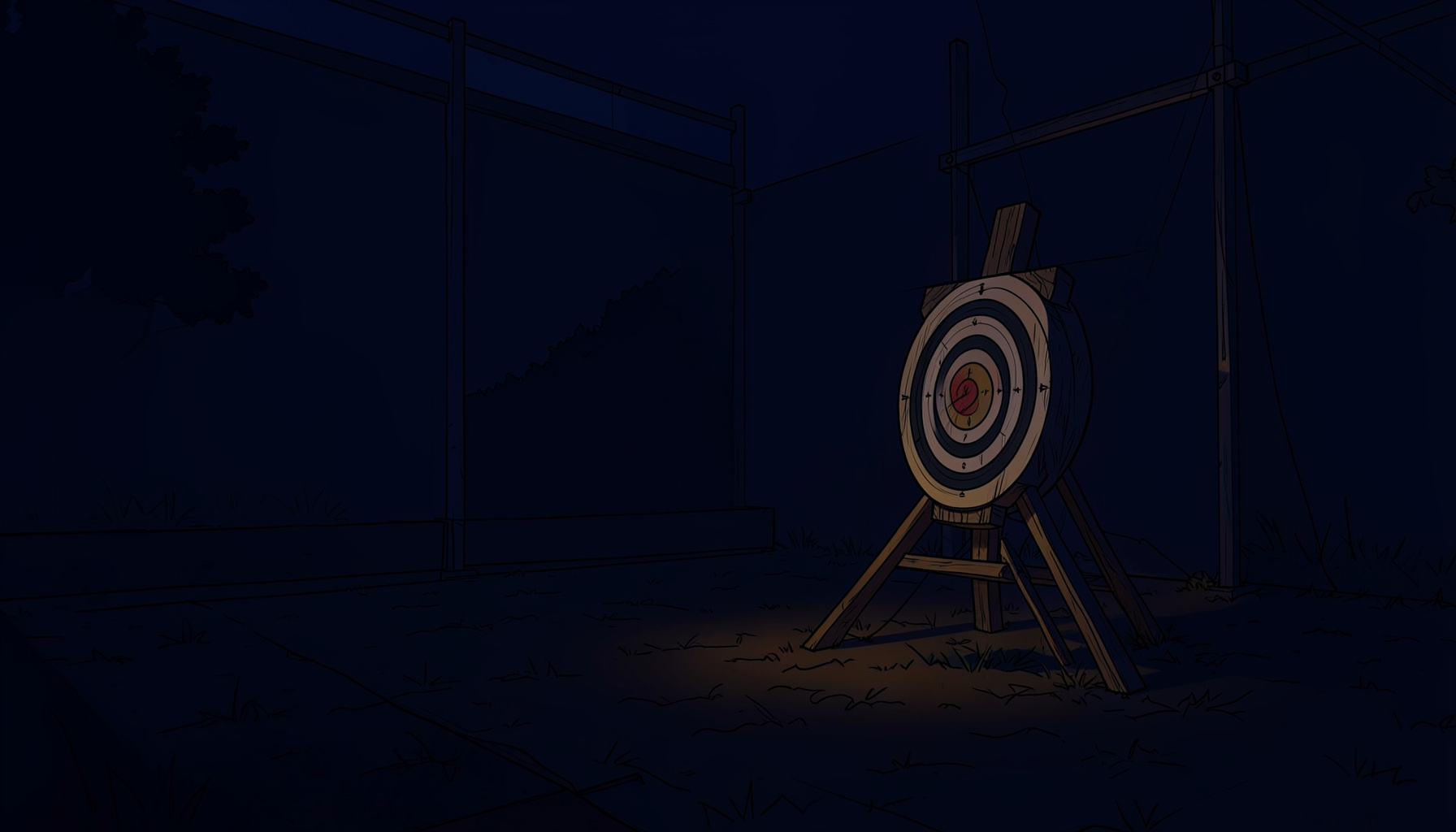
Planning a beach archery session on the Corsican coast
Bringing archery to a beach changes everything an instructor knows. The combination of open sky, sea breeze, and soft sand turns a routine club day into a memorable outing that strengthens the bond between members. Corsica's western shoreline near Cargèse, with its pebbled coves and golden bays, offers a stunning natural backdrop for shooters who want to take their practice outdoors.
A coastal range demands more planning than an indoor hall or a mown field. Wind funnels along the cliffs, salt air affects strings and metal fittings, and sun glare can throw off the simplest aiming routine. Club members who regularly travel between locations learn to adapt the same bow, the same stance, and the same mental routine to a shifting outdoor stage.
This article draws on the practical experience of the Inseme Cargese club to walk through location, gear, timing, safety, and the structure of a relaxed but productive day. Australian archers familiar with the breezes off Bondi, Glenelg, or Cottesloe will find many of these wind-reading instincts translate well, even if the calendar and the southern seasons feel upside down in Europe.
Reading wind, sun, and tides on a Corsican beach
The first variable to plan around is the wind. On Corsican beaches the morning often starts calm, with a light thermal breeze picking up after ten o'clock as the land warms. Archers from Sydney or Perth will recognise this pattern from their own local beaches, though the Mediterranean version feels softer and shifts direction more quickly. Shooting before the breeze settles, or in the golden hour before sunset, gives the most consistent conditions for new archers.
Tides matter less on most Corsican beaches than they do on the tidal flats of Darwin Harbour, but rocky entries and small private coves can become inaccessible at high water. A quick check of local tide tables keeps the day away from surprises, especially for clubs hauling 3D foam targets down to the sand.
Sun angle is the third hidden factor. Australian shooters used to the high UV of Brisbane summers should pack polarised sunglasses and a brimmed hat. The Corsican sun is gentler in spring and autumn, yet the reflection off pale sand and water can blindside an archer who usually practises under a club veranda.
Picking the right stretch of sand
Location choice begins with a safe backstop. Beaches with a low dune, a rocky cliff, or a tree-fringed perimeter work better than open strips that allow arrows to travel toward bathers or boats. Clubs in Adelaide's outer suburbs often use similar logic when they set up temporary field courses near the coast, choosing spots with natural barriers.
Width matters too. A session needs at least twenty metres of clear lateral space to keep multiple lanes separated, plus a generous safety zone behind the targets. Beaches near Cargèse village, between Punta d'Omigna and the Plage de Peru, offer the kind of width and natural framing that suits a small group.
Permission is the final piece. Some Corsican beaches are private concessions or fall within protected marine areas. A quick call to the local mairie confirms that the chosen stretch welcomes club activities for the day and avoids fines that could sour an otherwise perfect outing.
Packing gear for salt air and soft ground
Salt spray is the quiet enemy of archery equipment. Riser surfaces, sight pins, and stabiliser weights all benefit from a wipe-down at day's close, and strings last longer when dried before being bagged. Australian archers who shoot near the surf at Manly or Torquay already follow this habit, and the same routine applies on the Mediterranean.
Targets need different footing on sand. Lightweight stands dig in or topple easily, so a low tripod, screw-in pegs, or sandbag anchors keep each boss upright. Foam 3D animals, the kind used in regional 3D competitions, sit naturally on the sand and need only a single anchor point.
Personal kit should include closed-toe sandals or light boots, a wide-brim hat, reef-safe sunscreen, and at least two litres of water per shooter. A small repair kit with spare nocks, points, a string, and a hex key set handles most field repairs without turning the day into a workshop session.
Safety nets, range boundaries, and club etiquette
A beach range follows the same safety rules as any club lane, with the addition of a clearly marked downrange boundary. Bright tape on sticks or weighted ribbons work well in sand and stand out against the pale ground. A designated field captain, wearing a high-vis vest, calls commands and keeps spectators behind the line at all times.
Insurance and club membership still apply. Before any outing, members should confirm with the club committee that the planned activity falls under the group's public liability cover. This is the same paperwork check Australian clubs run before a field event at a state championship venue, and it protects everyone present.
Etiquette on a busy beach includes a brief word with nearby swimmers, walkers, and any local fishing families. Most respond warmly when a small group explains what they are doing, especially when arrows fly toward a controlled target rather than the open sea.
Drills, games, and a relaxed session flow
A good beach day mixes structured drills with relaxed play. Begin with a twenty-minute warm-up at close range, then move into grouped shooting at 18 metres before opening up to 30 or 50 metres for more experienced members. End with a friendly round of clout or a short knockout competition to keep the mood light.
| Format | Range | Group size | Wind tolerance |
|---|---|---|---|
| Beginner target | 10-18 m | 4-8 | High |
| Recreational 3D | 15-30 m | 4-10 | Medium |
| Open target | 50-70 m | 2-6 | Low |
| Clout archery | 30-50 m | 4-12 | Medium |
| Field round | Mixed | 4-8 | Medium |
Members who want to take the next step into competitive shooting can read a regional competition guide for a clear picture of how a club day compares with a formal event.
What stays with members after a successful beach day is the sense that archery travels well. A borrowed dune, a careful safety briefing, and a handful of foam targets are enough to turn any stretch of Corsican sand into a club range for an afternoon, and the lessons learned there sharpen every indoor session that follows.