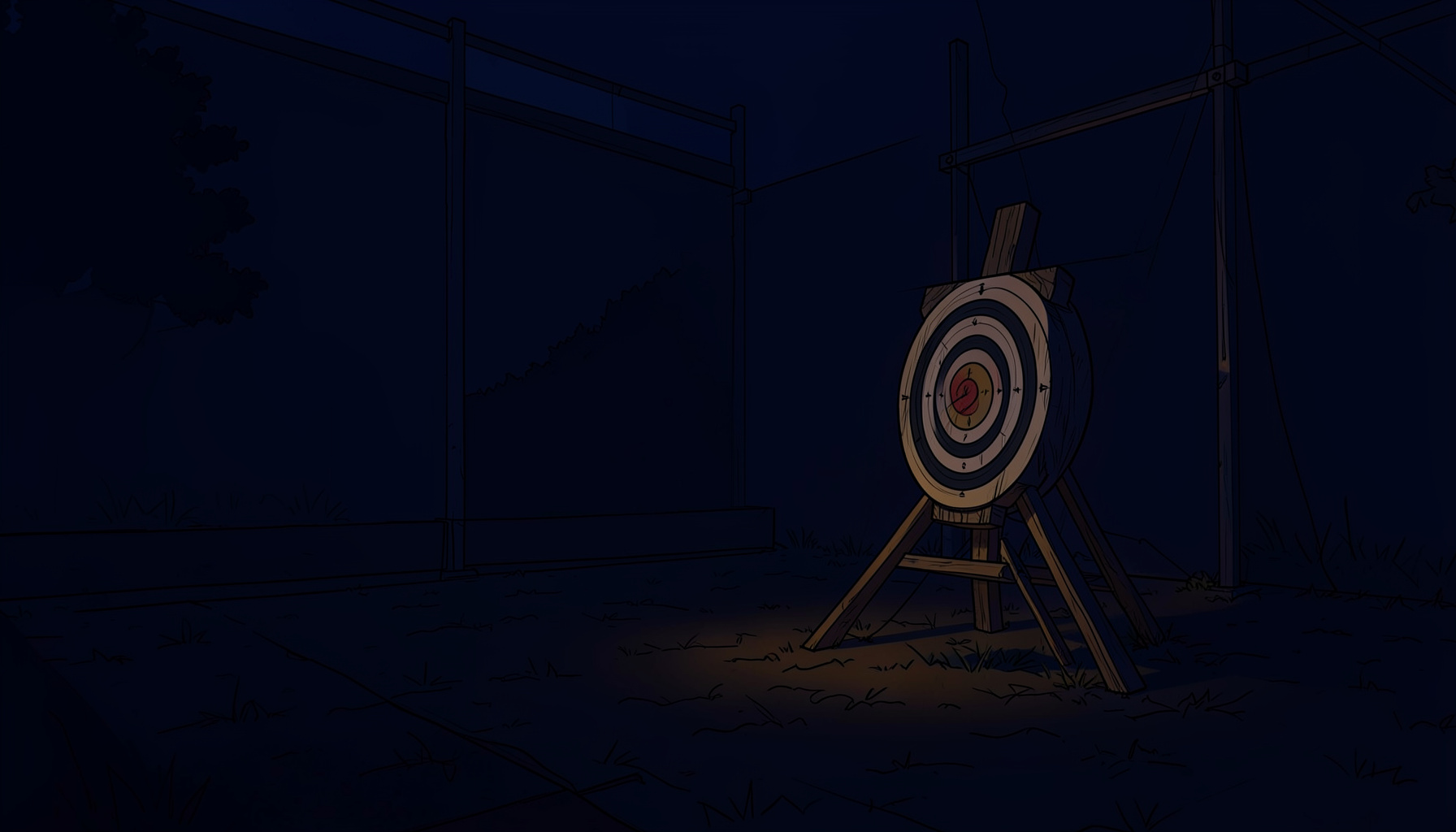
Building a welcoming interclub archery event on the Corsican coast
To plan a friendly interclub competition in Corsica, begin with the purpose of the gathering, not the size of the prize list. A relaxed event still needs fair divisions, safe shooting and clear scoring. Australian clubs will recognise these needs, but the best format depends on the host venue, officials and available time.
The calendar helps. Australian winter from June to August overlaps with Corsican summer, allowing archers from Sydney and Melbourne to travel during their off-season. A morning start, shade and a nearby lunch venue then matter more than fitting an extra round into a hot afternoon.
A friendly meeting also needs a local anchor who can open the ground, confirm parking and introduce visitors to island clubs. Reserve accommodation early because island transfers can take longer than expected, and keep the programme compact so travel does not dominate the weekend.
Set the format before sending invitations
Ask each club what its members practise: traditional, recurve, compound, field or 3D. Choose two or three divisions rather than combining every discipline. Separate skill levels where beginners would otherwise face advanced archers, and describe the gathering as social rather than as a qualifying championship.
Current training arrangements and local contacts can be checked through Inseme Cargese. Ask whether the proposed ground can support a target range and a separate field route, and whether the host can provide judges or scorers. This check is more useful than assuming every island range follows the same rules.
Choose dates, venue and playing rules
Choose one weekend and offer a rain date or indoor fallback. Avoid early-afternoon starts in July and August, when coastal heat makes a full round uncomfortable. A Saturday morning-to-lunch format lets teams arrive on Friday, compete, share a meal and still complete the return journey.
Write the rules in plain language: distances, arrow counts, which sights are allowed, tie-breaks and equipment inspections. Each club should nominate a contact and confirm its bow classes before travelling. An explanation of archery release types helps novices understand which release aids suit a recurve setup and how compound trigger releases work.
Target rounds often use 50 m and 70 m, distances familiar to Australian archers. Use consistent 12-arrow ends, then specify how many count. For field or 3D, define target faces, shooting order and retrieval rules. A short written sheet prevents club habits from becoming disputes on the day.
Protect safety and prepare for local conditions
Appoint a range officer and a first-aid contact. Mark waiting, shooting and spectator areas, inspect targets and backstops, and keep spectators behind the safe boundary. Nobody retrieves arrows until permission is given, and every bow, string and release aid is checked before scoring begins.
Weather can change quickly along the coast. Wind affects arrow flight, while thunderstorms require everyone to stop and enter a substantial building, not shelter beneath trees. Brisbane’s summer downpours and Melbourne’s variable skies are familiar reminders for Australian organisers, although Corsican mountain weather can differ. Check the forecast the evening before and identify a refuge.
Equip competitors and make the day social
Ask each archer to bring a quiver, finger tab or release, arm guard, spare string, scoring card and pen. The competition bow should be one used in recent practice, with a sound string and undamaged limbs. Bring enough arrows for safe rotation, and inspect any unfamiliar loan bow before use.
Equipment familiarisation deserves dedicated time. One cross-sport lesson is useful: hockey stick curve patterns shows how subtle changes in shape alter control, much as different bow setups influence handling. Give novices a supervised practice area and encourage them to settle on one bow for the day.
End with a shared meal and supervised skills session rather than a formal awards ceremony. A sausage sizzle or barbecue, familiar at many Australian club events, sits comfortably alongside Corsican food and vegetarian choices. Publish dietary details early and recognise steady progress alongside the winning scores. Ask the host about suppliers for missing consumables, but do not rely on same-day purchases; Australian bow shops commonly stock recurve kits, compound bows, carbon arrows and release aids.
Compare formats and confirm the arrangements
Match the programme to the venue and the people running it. These options offer starting points, but only one scored target round is essential if the ground or officials are limited:
| Format | Suitable group | Typical equipment | Practical arrangement |
|---|---|---|---|
| Traditional target | Longbow and traditional bow clubs | Longbow or traditional bow; sight rules vary | Keep the division separate and agree arrow classes beforehand |
| Recurve target | Archers wanting a measured club round | Recurve bow; sights and release aids may be permitted | Use familiar 50 m and 70 m target distances |
| Compound target | Groups wanting a quicker mixed round | Compound bow, bow sight and suitable release aid | Allow a 40 m warm-up before the scored distance |
| Field target | Archers seeking outdoor movement | Field equipment and suitable footwear | Use an approved route with clear retrieval signals |
| 3D target | Groups interested in realistic outdoor scoring | 3D targets, field release and suitable footwear | Check distances, animal placement and scoring rules |
After checking availability, the concrete next step is for the organising representative to circulate a one-page event brief, including the proposed date, venue and division list, to every invited club before the end of September.