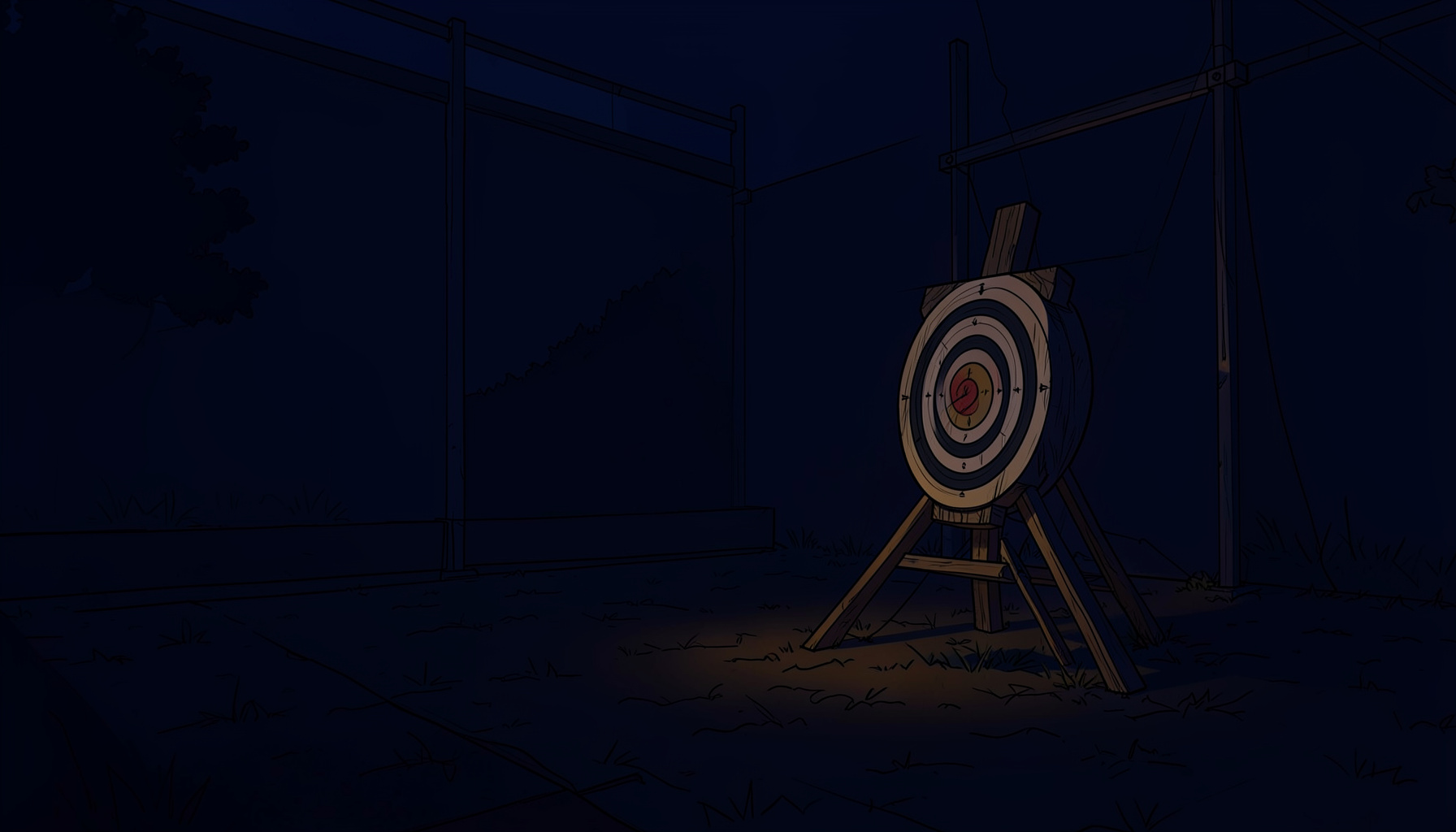
Safe archery practice for kids
Knowing how to practice archery safely with kids starts with treating every session as a controlled sporting environment, not simply handing a child a bow. An appropriately qualified coach, correctly fitted equipment, clear commands and an adult watching the whole range protect beginners while preserving the enjoyment that keeps them involved.
Australian families may train at a community club, school-holiday clinic or supervised session on a local reserve. Rules differ between states and councils, but the priorities are consistent: inspect the ground, separate waiting archers from the shooting line, choose suitable target distances in metres and stop when people or weather create uncertainty.
| Learner group | Session goal | Common range example | Essential control |
|---|---|---|---|
| Young beginner | Learn equipment handling and a safe release | 10 m using a junior bow selected by the coach | Direct line-of-fire supervision |
| Developing child | Build consistent form and draw control | 10–20 m with suitable traditional or recurve equipment | Clear commands and an equipment check |
| Older beginner | Develop accuracy and relaxed technique | 20–40 m with equipment matched to physical ability | Clear shooting lane and suitable backstop |
Start with the right coach and equipment
Choose an instructor through a recognised archery body, community club or local council rather than relying only on an informal social media group. The child-to-adult ratio should reflect the children’s ages, experience and bow type, while the coach remains focused on the range rather than on one child at a time.
Corsican club Inseme Cargèse offers a useful international example of community-based instruction across traditional, recurve, compound, field and 3D archery. Its club approach shows how shared training, specialist guidance and social participation can support beginners alongside experienced archers.
Equipment must match the child’s size, strength and shooting style. A coach should check the bow, string, grip, limbs and stabilisers before use. Finger tabs, an arm guard and other protective items should fit properly; compound bows need particular care because of their stored energy and moving parts.
Control the range from the first arrow
Agree on one set of verbal commands before anyone handles a bow. Every child should be able to recognise the commands for shooting, stopping and retrieving arrows. Children must never draw, dry-fire or release toward anything except the intended target, and nobody crosses the shooting line until the range is confirmed clear.
Public reserves and cricket ovals used for family practice require careful preparation. Check for spectators, roads, power lines, animals and loose objects, and position target butts or an approved backstop to contain errant arrows. Local permissions and distance rules should be confirmed before the first session, especially when young children are present.
Field and 3D courses need additional controls. Coaches should inspect paths, blind lanes, water, uneven ground and vegetation, with clear boundaries for spectators. A first-aid kit, charged phone and emergency plan naming the exact location are essential, particularly at isolated courses where snake or insect precautions may also matter.
Plan for Australian heat and weather
Australian summer conditions can combine intense UV, high temperatures and direct sun, making early-morning or late-afternoon sessions more comfortable than midday practice. Scheduling is only part of the response: the hydration and shade lessons discussed in racing in heat translate well to outdoor team activities.
Check the Bureau of Meteorology forecast and any club heat policy before leaving home. Gusty winds, poor visibility or approaching thunderstorms are reasons to stop rather than continue until conditions become difficult. An indoor alternative protects children and prevents them from learning that poor weather is simply something to endure.
Provide water, sunscreen, hats and suitable shade breaks, and shorten sessions when temperatures rise. Headache, dizziness, nausea, unusual fatigue or confusion should end participation immediately. Adults should keep a child under close observation because a young person may continue playing despite signs of heat illness.
Build confidence through simple coaching
Use short coaching blocks separated by rest periods. Give one specific correction, allow several quiet repetitions and then review the result without turning every shot into a score. Praise control, patience and safe behaviour so that children understand good archery depends on repeatable technique rather than force or rapid shooting.
Traditional and recurve equipment can support foundational technique, while compound bows require careful release and draw control. Field and 3D practice should begin with marked routes and simple target angles before introducing obstacles or blind shots. Adults should remain at assigned observation points instead of walking around the course informally.
Once basic technique is reliable, a supervised event can add motivation and friendly pressure. Families can review club event examples to see how training connects with competitions and social gatherings. Before attending, check age categories, equipment restrictions, waivers, weather procedures and who will supervise children between rounds.
Make safety part of the weekly routine
A repeatable pre-session check reduces last-minute decisions. Confirm the forecast, range boundaries, first-aid supplies, emergency contact, shooting commands and equipment count. Add drinking water and shade, then involve children in arranging safe waiting areas so they understand why routine matters.
Afterwards, inspect arrows, targets and bow components for damage and remove anything faulty from service. Arrows and bows should be stored securely, with broken or badly frayed strings handled only by a competent person. Children may help gather equipment under supervision, but they should not adjust tension or attempt repairs beyond their training.
The next step is to book a supervised beginner session with a coach who confirms the range check and equipment fit before the first shot.