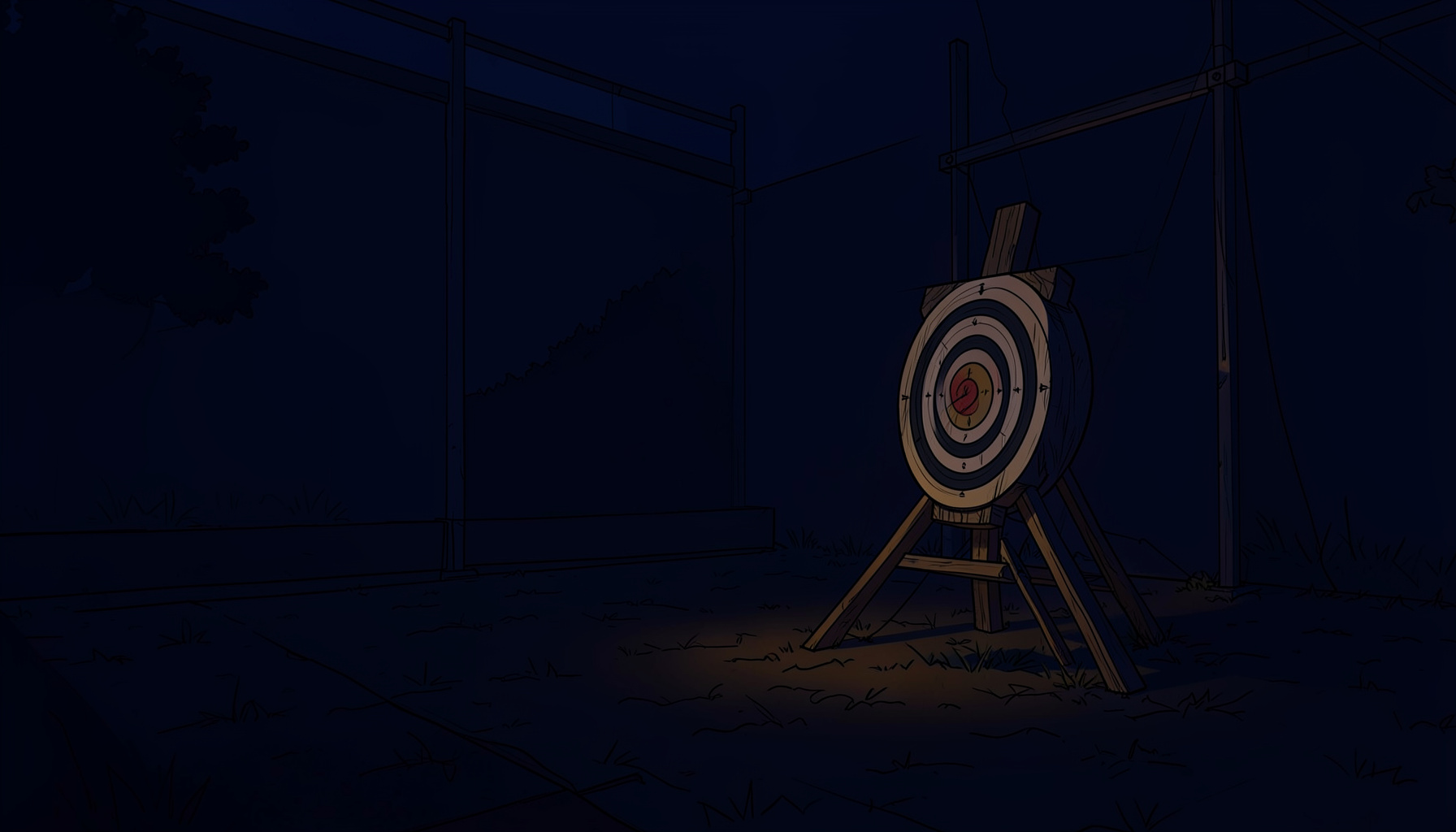
How to practice archery with a limited budget
Archery rewards repeatable technique more than an impressive equipment list. A modest setup can support months of good practice if the bow fits the archer, the arrows fly straight, and every shot happens in a safe area. A useful budget funds suitable equipment, instruction and regular sessions without leaving nothing for club fees or travel.
For Australian beginners, clubs are often the best value. Introductory courses, social rounds and practice nights in Melbourne, Sydney and Brisbane can cost less than assembling a full setup alone. Clubs connected with Archery Australia can also provide coaching, suitable targets and experienced company, making a few lessons more useful than buying premium accessories first.
Safety belongs in the budget as well. Suitable backstops, agreed shooting distances, checked equipment and club supervision reduce avoidable risk. Background on understanding liability helps when asking a local club what its public liability arrangements and participant responsibilities mean; it does not replace reading the club’s rules or following instructions from a coach.
Separate essentials from later upgrades: a usable bow, a small group of serviceable arrows, a lawful practice location and access to coaching. Equipment can wait; sound technique and safe habits cannot.
Choose a bow you can actually use
A used recurve from an Australian archery dealer, club sale or marketplace listing can provide a low-cost start. Australian archery retailers commonly stock entry-level recurve kits, including Ika and Jaybo models, while wooden traditional bows suit simple target practice. Ask a coach or experienced club member to check draw weight, string condition and limb alignment rather than buying by appearance alone.
Adult recurve beginners often start around 20–25 lb, with lighter bows for children or developing strength. The right choice is one you can draw consistently without shaking or straining, not the heaviest bow on sale. A used compound may be affordable, but its greater draw weight, cams and adjustable release require instruction. Inspect used bows for cracks, loose limbs and damaged strings.
Build a safe routine at the club
Book a short introductory session before committing to a bow. Many Australian clubs hire beginner equipment, run coached group sessions and offer social shooting, so several visits can test your interest while teaching range commands, stance and safe retrieval. Membership can also provide target faces, lanes and field access that are impractical to recreate in a suburban backyard.
Public reserves require particular care. Check council signs, stay well away from roads, paths, houses and other park users, and never assume permission to install a target. Wind changes arrow flight, so use established distances rather than improvising. Near Melbourne, variable wind may dictate indoor practice; around Brisbane, summer heat makes water, shade and sunscreen part of safe training. Never release a drawn arrow at home without an appropriate backstop and safe range.
Improve technique without premium gadgets
Technique develops through accurate feedback. A useful guide to release technique shows how consistency at the string matters; work with one coach cue at a time, such as drawing through the centre of the bow or keeping the draw hand steady. An inexpensive bow press can build alignment, but release aids, fancy sights and stabilisers are optional rather than essential.
Use a target that reveals the problem. With a safe backstop, shoot three or four arrows and note whether they land high, low, left or right. For recurve beginners, a tab or finger slider may be more useful than a release aid; compound archers generally need a properly adjusted release aid if their bow and coach call for one. Record grouping instead of chasing individual scores.
Keep practice inexpensive by bringing the same small set of arrows and writing down one cue for the session. Review where the group forms, repeat the cue, then change only one variable. After ten or twelve sessions, a pattern becomes visible: perhaps the draw hand moves late, or warm-up shots look better than the first scored end.
Match your plan to Australian conditions
Australian shops sell useful entry kits, but prices vary with GST, freight and local competition. Compare a basic recurve kit with used options from archery dealers, specialist stores and marketplaces such as Gumtree. Savings matter, yet a club-approved bow and sound string are worth more than a branded set with mismatched parts. Online reviews can identify suppliers, but personal fit matters more.
Traditional, recurve, compound, field and 3D target archery need different equipment, so narrow the first goal. A target archer can begin with a modest recurve and paper or foam faces; a traditional archer may prefer a wooden bow and a simple range. Field and 3D events are better explored through club courses, where required arrows, distances and safety arrangements are explained.
Budget for the session itself: club fees, travel on Australian public transport, replacement strings, target faces and occasional coaching. Members often reduce costs by sharing arrows, targets and event expenses. Keep a small reserve so a damaged string or sudden fee increase does not force an expensive replacement purchase.
Compare costs and make a buying plan
Before buying, compare the practical trade-offs rather than the largest number on the receipt.
| Item | Low-cost choice | More costly choice | Best use of funds |
|---|---|---|---|
| Bow | Club-approved used recurve | New compound or premium recurve | Fit, safety and coaching first |
| Arrows | Small batch of matched arrows | Large custom-matched set | Consistent flight before quantity |
| Targets | Club faces and foam blocks | Competition-grade equipment | Safe access rather than a backyard setup |
| Support | Shared gear and social sessions | Private coaching and a dedicated range | Regular feedback and good range etiquette |
A compound setup costing well over $1,000 does not solve a technique problem, while a sound used recurve can support deliberate practice for years. Replace equipment when fit, safety or performance fails; add accessories only when a specific training need justifies them.
The practical takeaway is simple: a reliable bow, three to six serviceable arrows, one written session cue and access to a safe range make a limited archery budget productive. Those basics, practised consistently, outperform an expensive setup left unused.