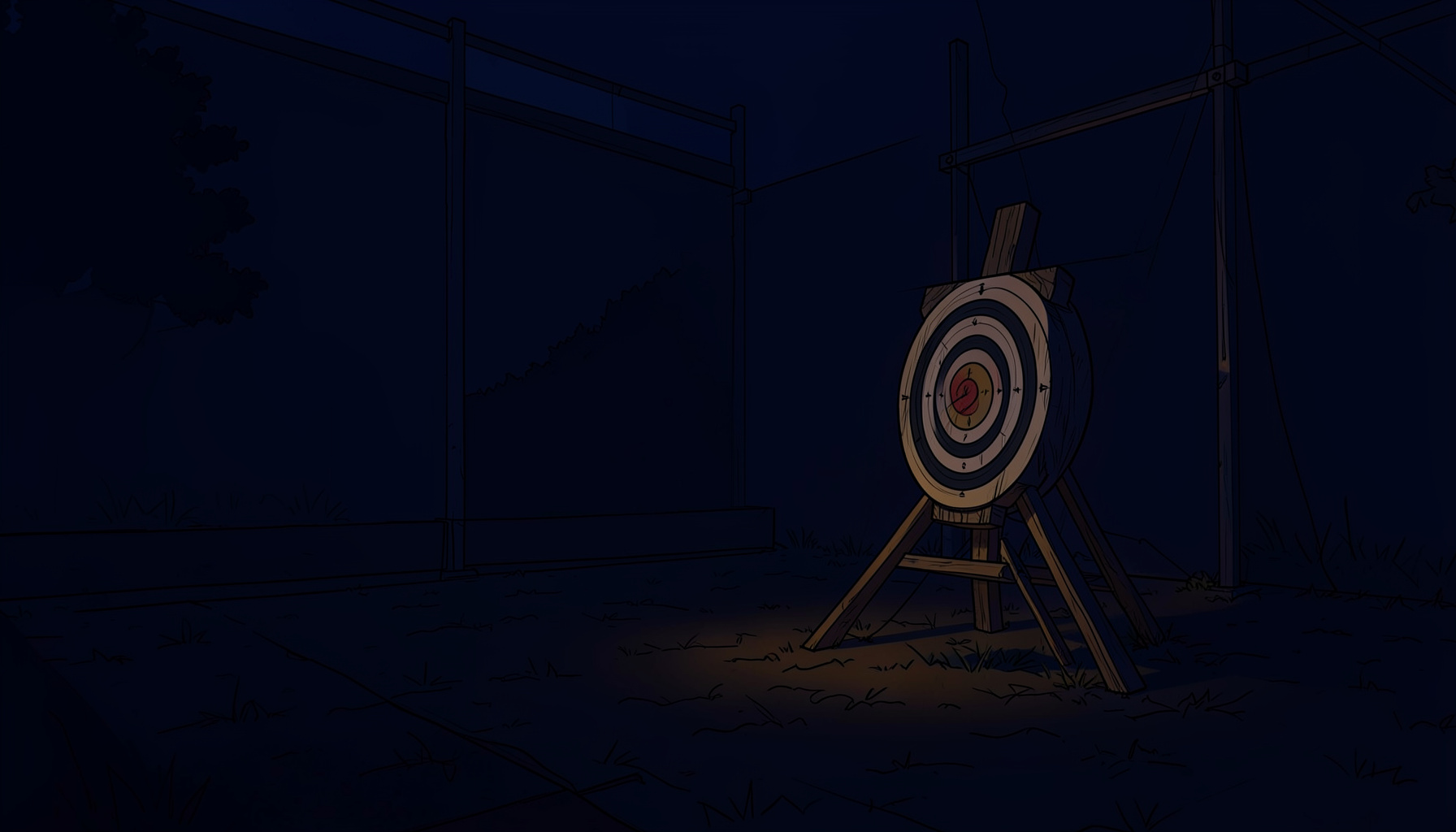
How to prepare for a 3D archery tournament in the forest
Forest 3D courses combine targets with distance, vegetation, uneven ground and changing light. A target may sit beyond a fallen log or dense scrub, making fieldcraft as important as flat-range accuracy. Tournament performance therefore depends on judgement, pacing and a repeatable shot process.
Preparation should mirror the event rather than consist of endless target practice. Walk representative routes, shoot from elevated or awkward positions, and practise deciding when to move, pause or take the shot. The goal is a method that remains calm when a target is partly hidden.
Australian events add summer heat, sudden rain, coastal gusts and insects around water. In Sydney, Melbourne, Brisbane and Perth, sun angles also differ from many overseas competitions. Southern Hemisphere daylight can produce glare and target shadows that training diagrams do not fully explain.
A useful plan connects technical work with equipment checks, travel logistics and recovery. It should include a full-intensity rehearsal, route reconnaissance if the venue permits it, and adequate rest. Specific loads and spare-parts choices depend on your bow, discipline and the course.
Build a training schedule around the course
Start with a scored baseline on a short 3D-style route using the same bow and arrow types planned for the event. Note misses, scores, time per target and any physical discomfort. Repeat the route under simulated heat and fatigue so the baseline reflects competition demands rather than a quiet practice lane.
Build the programme around three tasks: reliable form at varied distances, efficient movement between targets and good shot selection. Add distance gradually, practise shooting from side hills and around cover, and reserve the final week for reduced volume and normal recovery. Stop long sessions when form deteriorates instead of chasing fatigue.
Match equipment to the conditions
Before every practice block, inspect string serving, limb tips and nocks on a recurve, plus cables, wheels, limb bolts and the release on a compound. Check sight alignment and arrow spin, then confirm that the event permits field points rather than hunting broadheads. Tune the bow carried to the course and record each adjustment.
Equipment choice should fit the archer’s strength, control and task. Although its original example concerns dance, coach equipment advice illustrates the sound principle of matching equipment to the user rather than choosing by specification alone. The same applies when comparing draw weight, let-off or accessories.
Learn the terrain and manage uncertainty
Reconnaissance is useful only where event rules allow it. Note uphill and downhill shots, cramped stances, roots, leaf litter and safe paths around each target. Practise drawing only when the arrow position is clear, and establish a waiting or bypass procedure with a partner.
Wind, visibility and footing can change during a round. Use a spotting scope or binoculars where permitted, observe grass and leaves for movement, and compare open lanes with sheltered sections. The sun generally crosses the northern part of the Australian sky, so shadows and glare may not match expectations learned elsewhere.
Adjust for Australian weather and wildlife
Australian weather can change a forest round quickly, particularly during spring storms or a hot dry summer. Equipment performance, footing and an archer’s concentration may all deteriorate together, making the conditions below useful for preparation.
| Condition | Likely effect | On-course adjustment |
|---|---|---|
| Hot and dry | Fatigue, glare and faster reactions | Refill water regularly, use sunscreen and allow extra time between targets |
| Humid or wet | Tacky grips, corrosion and slippery footing | Carry a cloth, protect metal parts and dry equipment after the round |
| Gusty | Arrow drift and noisy visual distractions | Wait for a steady lane and choose an achievable target |
| Low-angle light | Weak contrast and deep target shadows | Change viewing position and use binoculars to judge distance |
Carry a refillable bottle, electrolytes, high-energy snacks and a packed lunch; many Australian families treat an esky and supermarket snacks as standard meet-day kit. Use insect repellent, follow local tick guidance and avoid placing hands into crevices where wildlife may shelter. Keep a basic first-aid kit and emergency contact details with your shooting gear.
Rehearse a consistent shot routine
Use the same sequence at every target: set the feet, acquire the target, align the sight, draw, anchor, focus, release and follow through. Establish a clear shot call such as “take” or “hold,” with a defined reason for waiting. Consistency becomes valuable when the target is small, partially concealed or reached through difficult ground.
Regular club sessions also make it easier to test that routine under pressure. The mix of training, social gatherings, competitions and regional events offered by Inseme Cargese shows how peer feedback and a familiar community can complement solo practice. Run mock rounds using the expected start time, scoring device and shot-call limits.
Organise travel, gear and legal checks
For city events in Melbourne or Sydney, a bow case can be bulky on a crowded tram or train, so check transport conditions and leave early. Regional tournaments may involve long drives, limited mobile reception and changing weather. Carry fuel, water, a paper map, spare clothing and enough food to avoid delays becoming stressful.
The Australian archery market includes specialist stores and online retailers carrying compound bows, recurve limbs, strings, field points and serving tools. Compare bow weight, limb length and release aids with a coach, and obtain essential spares before travelling because freight delays can affect a competition weekend.
State and territory firearm regimes generally concern guns rather than ordinary sporting bows, although crossbow rules can vary. Event organisers may still restrict equipment, while councils and public-land managers can impose access or safety conditions. Check the venue’s insurance requirements, arrow and target rules, scouting times, fire closures and transport arrangements before attending.
Keep the final round clear and controlled
Pack the tuned bow, marked arrows, release aid, spare string or cables, tools, water and weather protection in a case that matches the route. Arrive early enough to complete a warm-up without rushing, and make final adjustments before the opening call rather than between targets. Follow the event’s safety signals and retrieve arrows only when the course is clear.
Mental preparation should be as simple as the physical routine: use one breathing pattern, one shot call and one decision to move or wait. Poor conditions are part of forest 3D archery, so accepting uncertainty creates room for better judgement. The lesson to remember is that preparation in equipment, course knowledge and mindset produces a calmer, more consistent archer than simply chasing a perfect practice score.