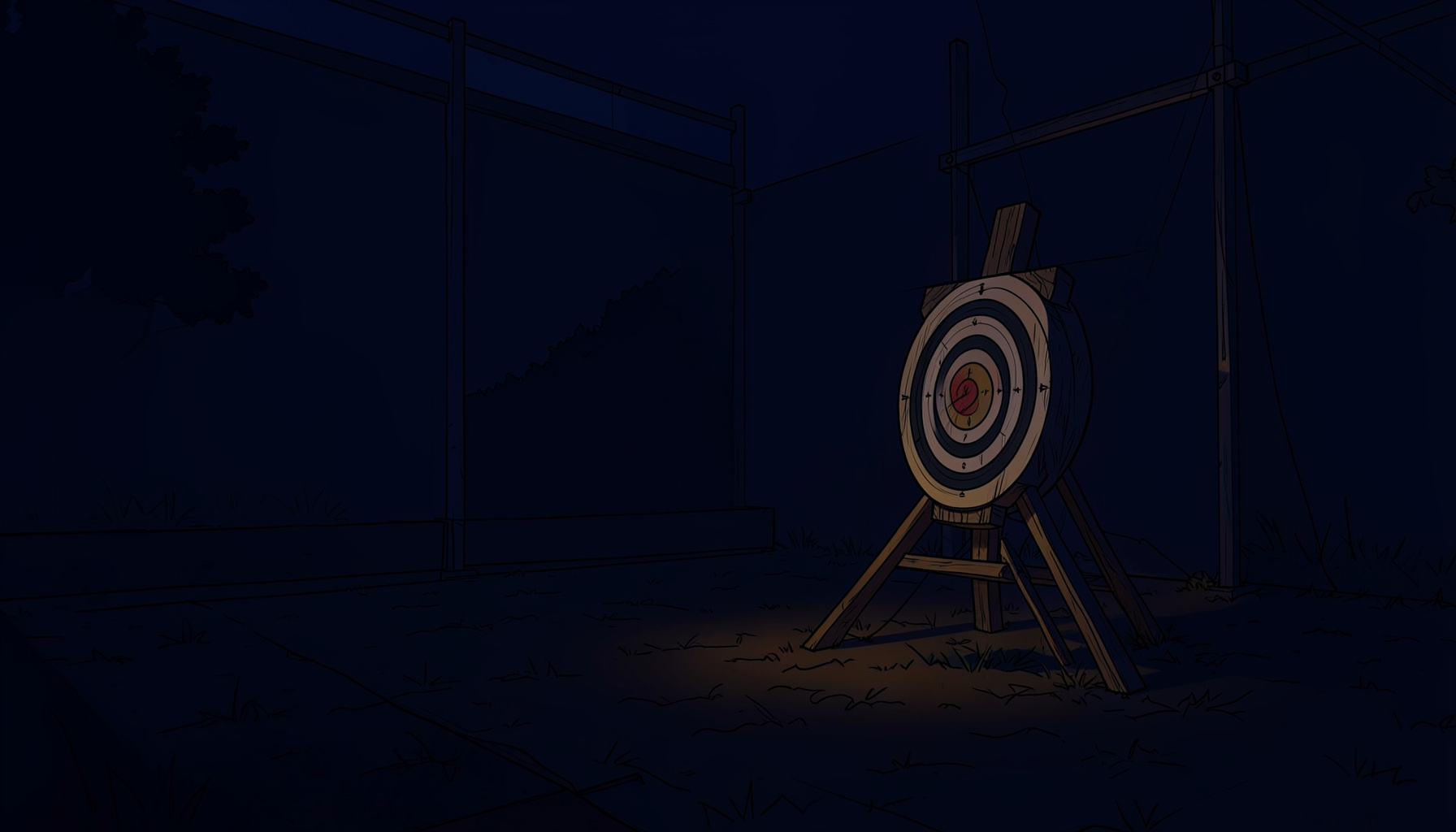
Reading Wind Conditions for Better Outdoor Archery
Wind is one of the most influential outdoor variables in archery. It can move an arrow sideways, alter its vertical flight, disturb your bow arm and change the feel of a shot between the draw and release. Learning to read those changes helps Australian archers shoot with greater consistency in field courses, club grounds and open ranges.
The aim is not to eliminate wind, which is rarely possible, but to observe it, estimate its effect and make a repeatable adjustment. The same process works with traditional bows, recurve bows and compound equipment, although arrow speed, stabilisation and sight settings will affect the final result.
Start With The Whole Range
Before nocking an arrow, pause and study the shooting lane. Look at grass, leaves, flags, dust, hanging tape and the movement of nearby branches. A breeze travelling across the line of fire may be obvious at the target but almost invisible at the shooting peg, especially on a field course with trees and changes in elevation.
Coastal locations can be particularly deceptive. A Sydney headland, a Perth range affected by the Fremantle Doctor, or an exposed club ground near Adelaide may receive a steady sea breeze that builds through the afternoon. In Melbourne, conditions can shift quickly, so check the Bureau of Meteorology forecast while also trusting what the range is showing you at that moment.
Wind direction is best described in relation to the arrow, not simply as north, south, east or west. A left-to-right crosswind, a headwind and a quartering wind each influence the arrow differently. Notice whether the air is steady, gusting, swirling or changing direction around obstacles.
Use The Arrow As A Wind Indicator
An arrow can provide useful information when you shoot a deliberate, well-executed shot. If your release is clean and the arrow lands consistently to one side of the group, the wind may be producing a repeatable drift. Avoid changing your sight immediately after one uncertain shot; first decide whether the movement came from the weather or from technique.
Flags and streamers show wind at their own height, while the arrow travels through several layers of air. A target tucked behind scrub may sit in a calmer pocket even when the flag beside the shooting line is moving strongly. Conversely, an open target on a ridge can experience a faster flow than the archer feels at ground level.
Experienced archers often shoot a few sighter arrows before settling into scoring. Record the point of impact and the wind direction in simple terms such as “light left-to-right” or “gusting from behind”. This builds a useful local reference over time, particularly at a regular Saturday club shoot.
Adjust Your Aim And Equipment Carefully
For a consistent crosswind, a small aiming adjustment may be more reliable than changing the sight during a short round. Recurve and traditional archers often hold slightly into the wind, while compound archers may use a sight movement or a controlled hold-off. The amount depends on distance, arrow speed, arrow diameter and the strength of the gusts.
A headwind can increase drag and cause an arrow to arrive lower, while a tailwind may produce the opposite effect. These changes are usually subtle at shorter distances but become more noticeable on long field targets. Uneven ground adds another variable because stance, bow shoulder position and uphill or downhill shooting can alter the impact point independently of wind.
Equipment should support observation rather than complicate it. Stabiliser length, arrow spine, fletching size and bow weight all affect how a setup responds to moving air. When preparing for a wooded or uneven course, this guide to field archery gear can help you consider practical equipment choices without treating gear as a substitute for sound technique.
Build A Repeatable Wind Routine
A reliable routine keeps decisions calm when conditions change. Stand behind the shooting line, identify the general wind direction, watch the target area and note the strongest recent gust. Then shoot with your normal form and assess the group rather than reacting emotionally to a single arrow.
Body control matters as much as sight adjustment. Keep your stance stable, maintain a relaxed bow hand and avoid leaning into a crosswind. Good foot placement and balance are useful skills across many disciplines; some archers find that judo footwork develops awareness of weight transfer and stable movement that can also support outdoor shooting.
Before The First Arrow
- Check the Bureau of Meteorology forecast and local range notices.
- Watch vegetation, flags and dust at several distances.
- Confirm that gusts are safe for the bow, arrows and shooting line.
- Shoot a few controlled sighters before scoring.
During A Windy End
- Reassess after a major gust or direction change.
- Separate wind drift from poor release execution.
- Use one small adjustment at a time.
- Keep notes for future sessions at the same venue.
Choose A Response That Fits The Conditions
There is no universal wind correction. A fast compound arrow may drift less than a slower traditional arrow, while a large-fletched hunting-style shaft can react more strongly to a crosswind. Archers should also consider whether the range allows sight changes, whether the target is in a sheltered position and whether safety conditions are deteriorating.
| Wind condition | What you may notice | Practical response |
|---|---|---|
| Light and steady crosswind | Consistent sideways group movement | Use a small hold-off or sight adjustment |
| Strong headwind | Arrows landing lower than expected | Confirm form, then allow for reduced distance performance |
| Gusting crosswind | Wide horizontal spread | Wait for a lull and avoid chasing every arrow |
| Swirling woodland wind | Different impacts at nearby targets | Read each shooting lane separately |
| Tailwind | Arrows may arrive higher or feel unusually fast | Recheck distance judgement and group position |
Australian ranges can also present heat, glare and dry ground alongside wind. On a Canberra winter morning, cold fingers may affect release quality; around Brisbane or Darwin, humidity can change comfort and concentration; near eucalyptus woodland, moving foliage may exaggerate the apparent strength of a gust. Treat these as connected conditions rather than focusing on wind alone.
At the next outdoor session, write down the wind direction, strength, arrow impact and adjustment after every end for the first six ends.