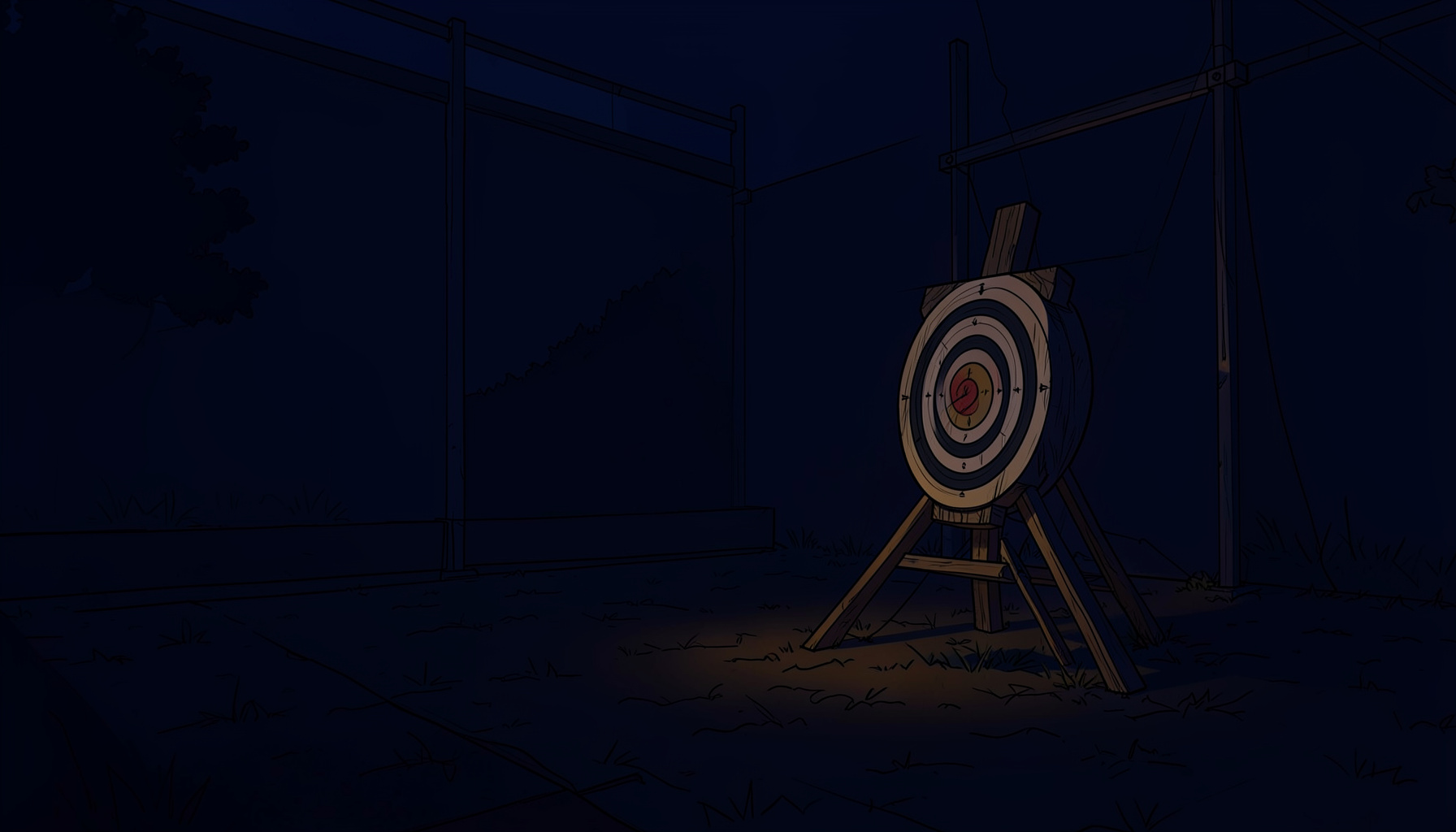
Build a safe 3D archery range in a small space
A 3D archery range can turn a modest outdoor area into a course of animal silhouettes at varied distances. It suits suburban backyards, community halls and council reserves, giving beginners realistic target practice while experienced archers refine their aim. A compact course also works well for club competitions, family sessions and shared skills days.
Its value depends on careful planning. Every shot needs a planned path, secure target stands, recoverable field-point arrows, a suitable backstop and clearly marked shooting and waiting lines. Available space alone does not make a range safe: bow type, target distance, wind direction and participant experience must all influence the layout.
Start by watching the site during normal club hours and in unsettled weather. In Sydney, Melbourne, Brisbane, Adelaide and Perth, compact suburban blocks and busy community grounds often place homes, roads and pedestrian paths close together. Surveying boundaries, overhead services and likely overshoots before installing targets prevents a convenient-looking course from becoming a liability.
Choose a compact layout that contains every shot
Compare each format by its footprint, containment requirements and suitability for regular use. Indoor lanes need dependable rear and side protection, while outdoor lanes need an unobstructed safety zone and a backstop capable of stopping stray arrows.
| Course format | Best fit | Main benefit | Main constraint |
|---|---|---|---|
| Backyard lane | Private property | Low-cost, simple practice | Neighbour, access and setback limits |
| Club lane | Shared community space | Repeatable lanes for group sessions | Permissions, parking and supervision |
| Indoor short course | Garage or hall | Weather-independent training | Ceiling height and projectile containment |
| Hybrid circuit | Small reserve | Varied distances and target angles | Larger inspection and marshalling area |
Backyard courses work best when the owner controls the entire firing direction and the targets stay well inside the property boundary. Blank walls are not adequate backstops unless specifically designed and certified for arrow impact. Neighbours should understand the operating hours, particularly when early-morning light or noise affects local routines.
Shared community sites require permission from the landowner or council, suitable public liability insurance and a documented risk assessment. State and territory work health and safety laws apply to volunteers and employees, with guidance available from bodies such as SafeWork NSW, WorkSafe Victoria and the relevant regulator elsewhere. Weekend shooting and school-holiday junior sessions are common Australian club activities, so venue bookings should cover those periods rather than only the main competition day.
Place targets for safe, realistic practice
Aim every lane toward the largest available area of clear ground. Check the direction with windsock or ribbon, and move targets when conditions change. Setbacks and lane separations should follow the target manufacturer’s guidance and the rules of the relevant archery governing body, rather than relying on a generic minimum distance.
Install animal targets on stable weighted stands and anchor them against wind. Position them so an archer can identify the scoring surfaces without walking forward to inspect each target. Before competition practice, brief helpers on the target scoring zones so damaged areas, missed hits and scoring disagreements are handled consistently.
Create a marked shooting line for each target and a separate waiting area behind it. Only one archer should occupy a lane unless an experienced coach has established a controlled rotation. Clear calls such as “shoot” and “clear” remove uncertainty, while a visible boundary helps less experienced participants understand when they may approach a target.
Match equipment to the distance
Select bows and target distances that allow participants to shoot accurately without excessive force. A club may use recurve equipment for beginners and lighter compound bows for mixed-experience sessions, but equipment should match each archer’s ability rather than simply the length of the lane. Experienced archers should also follow any lower draw-weight limits imposed by the range.
Three-dimensional targets vary in foam density, anchoring method and scoring design. Club buyers can compare F15 International targets with locally available models, checking replacement faces, stand compatibility and projected stopping performance. Australian archery retailers and specialist online sellers stock recurve and compound bows, carbon arrows, field points and portable target equipment, making it practical to source replacement parts locally.
Use only target-compatible field points on a club course and exclude broadheads designed for hunting. Inspect arrows for cracks, loose points and damaged nocks, and replace questionable equipment rather than relying on visual judgement alone. During summer, UV exposure can damage target faces and bowstrings, while heat, dry wind and sudden storms can affect both equipment and arrow flight; Australian clubs should provide shade, drinking water and a plan for suspending shooting.
Run the range with simple club routines
A range marshal should control admissions, equipment checks and lane movement, especially when children or new archers are present. Keep first-aid supplies, emergency contacts and the site plan in an accessible place. The operating routine should be familiar enough that volunteers can run regular sessions without relying on one experienced instructor.
Regular communication prevents small problems from becoming unsafe habits. Send lane maps, equipment notices and weather cancellations through the club’s usual channels; the club newsletter guide offers a useful structure for keeping members informed.
The following routine covers the essential controls for a compact course:
- Appoint a trained range marshal for every shooting session.
- Inspect targets, stands, arrows and bowstrings before archers enter.
- Keep one archer per lane unless a coach controls the sequence.
- Use clear verbal calls and confirm a lane is clear before retrieving arrows.
- Record incidents, near misses and damaged equipment for follow-up.
Brief everyone at the start of the session, including helpers who may otherwise move through the shooting area while retrieving arrows. If wind, visibility or target stability becomes unsuitable, stop the affected lanes rather than attempting to finish a round under marginal conditions.
Keep the course useful year after year
Keep a written record of permissions, insurance, risk assessments, emergency procedures and equipment inspections. Review the plan after major wind, storm or fire damage, and whenever targets or shooting positions change. Rotating target angles preserves variety without requiring a larger footprint.
Replace worn foam faces, tighten loose anchors and renew degraded markings promptly. Maintain access paths for wheelchairs and mobility aids, while separating spectators from the firing line and arrow-retrieval route. These details make the range comfortable for a broad Australian club audience, from city competitions to small local sessions.
The memory to carry from this setup is that a compact 3D range earns trust through clear boundaries, dependable equipment and consistent supervision, not by fitting more targets into the available ground.