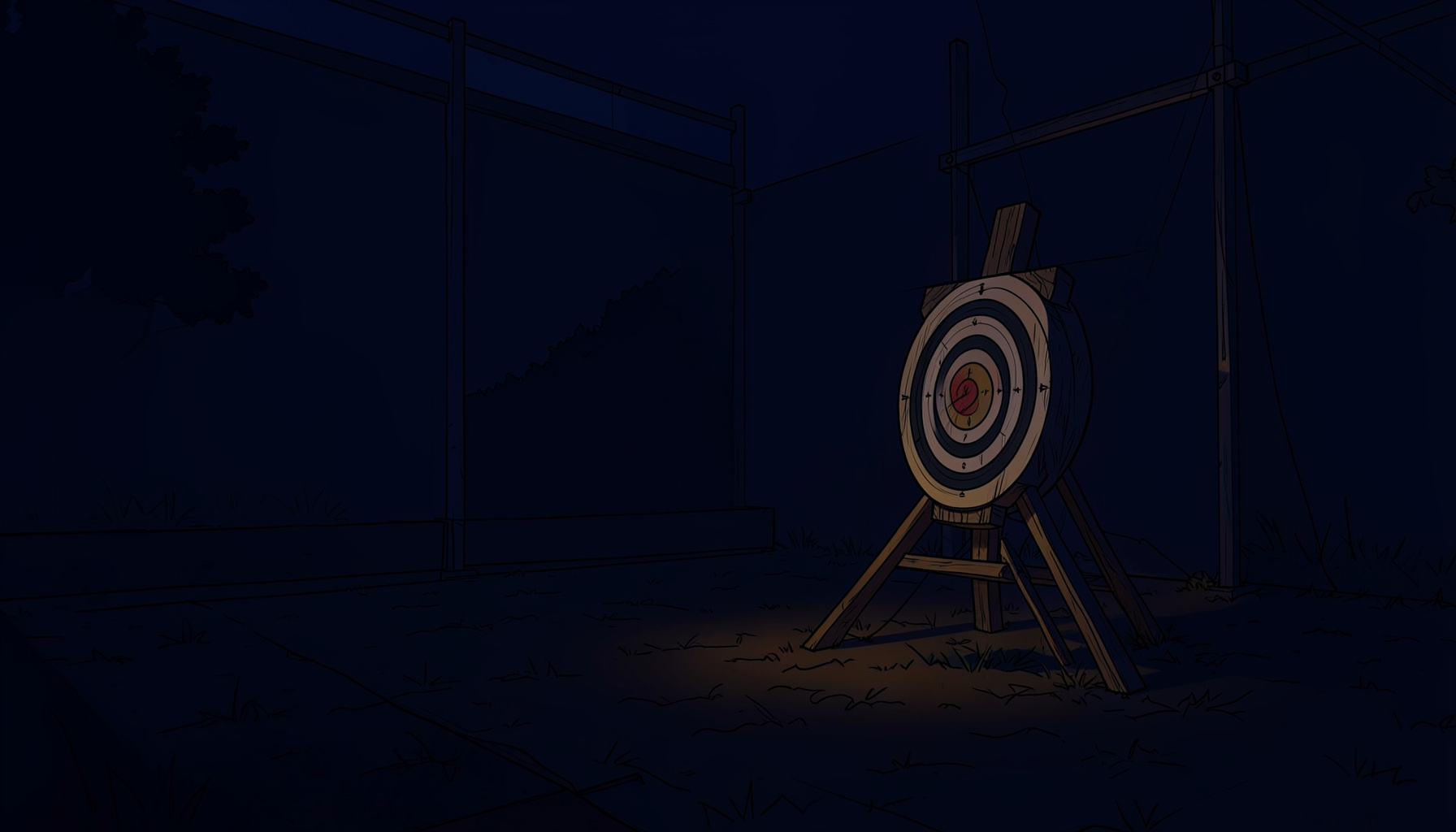
Setting up a safe archery range in your backyard
Across Australia, more families are turning spare lawn space into private practice zones, and archery fits naturally into that outdoor lifestyle. A backyard range gives you the freedom to shoot on your own schedule, refine form between club sessions, and introduce the sport to kids in a familiar setting.
The process of building a safe setup goes well beyond hanging a target on a tree. You need the right distance, solid backstops, clear sightlines, and a thoughtful plan for neighbours, pets, and the local wildlife that might wander into your line of fire.
Sizing up your block and choosing a safe spot
The classic quarter-acre block found across suburbs from Brisbane to Perth offers enough room for a functional range, but layout matters more than total space. Aim for a minimum of 15 metres between the shooting line and the backstop, even when practising with young beginners using low-poundage bows.
A north-south orientation is preferable in Australia, since it keeps the sun out of your eyes during morning and late-afternoon sessions. Keep the shooting lane well away from the side fence, the veggie patch, and any play equipment. Most coaches also recommend choosing a corner of the yard rather than the centre, which gives you a natural buffer on two sides.
Think about what lies beyond your boundary. A 1.8-metre-tall Colorbond fence might stop an arrow, but a gap between fence panels or a low paling section can let a stray shot slip through into the neighbour's pool area or a public footpath. Cyclone-rated fencing common in Darwin and Cairns tends to be more reliable, while older timber fences in inner Melbourne often need reinforcement.
Working within Australian local rules
Before you sink a single post, check with your local council. Rules vary significantly between states, and a permanent backstop in a Sydney inner-west backyard may trigger a different permit process than the same structure in a rural block outside Adelaide.
Most Australian councils treat a backyard archery range as an accessory structure, which means it can fall under the same rules as a shed or a cubby house. Height limits, setback distances from property boundaries, and even the materials you use may all be regulated. A quick call to your local planning office usually clarifies what is allowed.
Sporting bodies also offer guidance. Archery Australia and state associations publish recommended safety standards that align with international norms, and following them helps if a neighbour ever raises a concern. Insurance is another consideration, since some home policies exclude recreational shooting, while others allow it under specific conditions.
Safety gear, backstops, and target choices
A safe backyard range starts with the right backstop. Purpose-built archery netting, compressed straw bales, and high-density foam blocks all work, but each behaves differently over time. A simple layered system tends to last longer in the harsh Australian sun.
Targets themselves range from layered foam blocks to printed paper faces on a boss. Foam holds up well in coastal humidity, while straw and paper can degrade quickly in places like Townsville during the wet season. Replace targets as soon as arrows start penetrating beyond the intended layer, since over-penetration is the most common cause of backyard accidents.
| Material | Upfront cost | Durability in Australian conditions | Maintenance needs |
|---|---|---|---|
| Compressed straw bales | Low | Moderate, degrades in wet humid climates | Replace every 12-18 months |
| Layered foam blocks | Medium | High, resists humidity and UV well | Inspect monthly, rotate faces |
| Archery netting | Medium-high | High, but UV can weaken fibres | Check stitching each season |
| Timber frame with carpet | Low | Moderate, timber may warp in heat | Re-tension carpet yearly |
Personal protective equipment matters too. A finger tab, arm guard, and a quality chest guard are essential for recurve and compound shooters, while traditional archers using finger release benefit from a glove. Sunglasses rated to Australian UV standards protect your eyes from glare and from any debris kicked up on dry, windy afternoons.
Range design and daily practice habits
Clear sightlines are non-negotiable. Mark the shooting line with a permanent feature such as a timber plank or a low concrete edge, and define the waiting line behind it where archers stand until it is their turn. This keeps the routine consistent, especially when kids or guests are involved.
Distance progression should follow experience. Beginners often start at 5 or 7 metres, while intermediate archers move to 18 or 20 metres, and compound shooters can practise out to 30 metres. Whatever distance you choose, ensure the backstop and arrow retrieval zone are clear of garden furniture, washing lines, and rainwater tanks, which are common sights in suburban Adelaide and Hobart yards.
Routine checks save trouble. Walk the lane before each session, look for signs of erosion around the backstop, and confirm there is no pet or child in the retrieval area. A simple whistle or verbal call system works better than shouting across a windy Perth afternoon, where voices tend to carry in unexpected directions. Many clubs also encourage members to explore different archery disciplines so that practice at home stays varied and engaging.
Weather, wildlife, and seasonal adjustments
The Australian climate throws a lot at a backyard range. Summer UV can degrade bowstrings and target faces within months, so storing equipment indoors when not in use extends its life considerably. In bush-adjacent suburbs of Canberra and the Adelaide Hills, summer also means heightened bushfire risk, and a range full of dry straw bales is something to think carefully about.
Local wildlife will eventually visit. Possums, blue-tongued lizards, and even the occasional wallaby have been known to wander into suburban yards in places like Geelong and the outskirts of Brisbane. A tall, well-anchored backstop and a clear retrieval zone reduce the chance of a wildlife encounter turning into an accident. Snakes are another reality in many regions, so always wear closed shoes during range sessions.
Rain and wind change how arrows behave. A light crosswind from the bay can push a field point off course in coastal suburbs, while a sudden summer storm can turn a clay backstop into mud. Building a small lean-to over the target keeps practice going through light showers and protects the gear from sudden downpours.
Practical recommendations for new range builders
- Walk the proposed range line with a friend before installing anything, confirming clear sightlines and a solid backdrop.
- Call your local council to confirm whether a permanent backstop needs any form of approval.
- Start with foam block targets if you live in a humid coastal area, as they hold up far better than straw.
- Invest in a UV-rated storage bag for your bow and a covered lean-to over the target.
- Add signage at the shooting line reminding users of safety commands and emergency contacts.
- Schedule a seasonal range inspection at the start of summer and again before the winter wet season.
- Connect with local clubs and check club events to keep your practice aligned with community standards.
A backyard range rewards preparation. The archers who get the most from their home setup are the ones who plan the space carefully, respect local rules, and treat each session with the same discipline they would bring to a tournament lane. With the right backstop, sensible distances, and a habit of routine checks, your yard can become a reliable training ground that supports your progress for many years to come, no matter which corner of the country you call home.