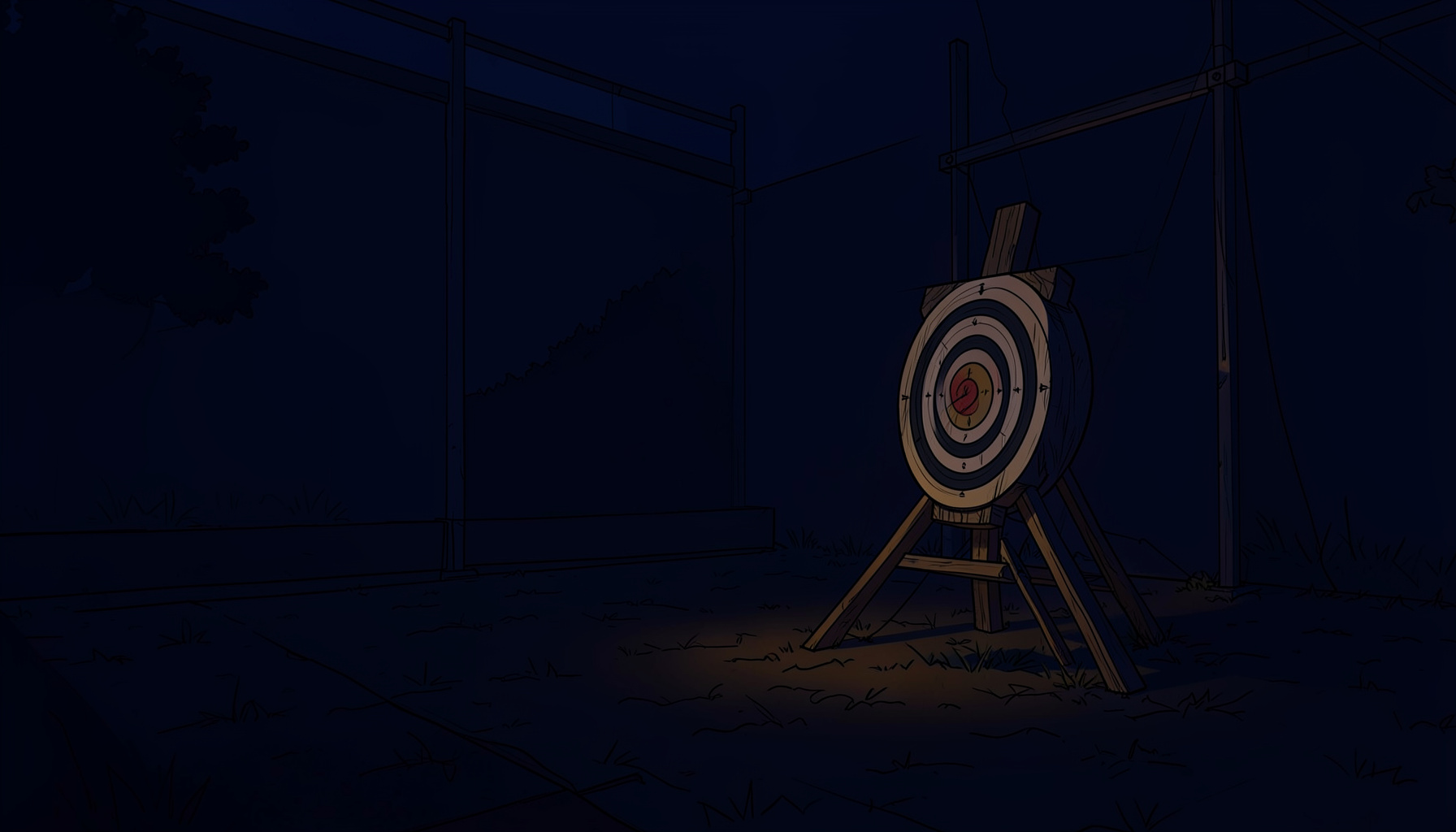
How to train for a field archery championship
Preparing for a field archery championship is less about chasing distance and more about building a repeatable performance across an unfamiliar course. You need accurate shot-making, sound pacing, controlled emotions and enough reserve to stay sharp from the first target to the last. A useful plan treats traditional, recurve, compound, field and 3D as part of one preparation cycle, then adapts that cycle to the championship format. Learn more about Regulamento Atualizado Tudo O Que Precisa De Saber Para Jogar 221473.
Begin by confirming course length, target faces, shooting classes, scoring method, practice-round access and equipment rules with Archery Australia and the relevant state association. The Australian pathway combines national events, state associations and local clubs, while equipment is sold through specialist retailers and online sellers; do not assume last season’s rules still apply. Build the plan backwards from match day, using the terrain and weather forecast rather than a generic template.
Build a specific training block
Use the first four weeks to establish consistency: set a repeatable stance, align the sight, anchor to a reliable reference and deliver a clean release. Add accuracy work at marked targets and 3D routes, but judge progress by grouping rather than one lucky shot. Record misses and their likely cause—timing, footing or wind—then change one variable at a time.
Build endurance without burying form under fatigue. Carry a representative bow and quiver over rolling ground, walk uphill sections and rehearse several shots after a pause. Keep strength work simple: legs, core, shoulders and grip. Long weekend sessions are useful, but short sessions with adequate recovery protect technique better.
In the final full-send block, alternate detailed target practice with timed course rounds. Stop coaching yourself after each arrow; use a pre-shot routine, trust it and review the pattern afterwards. Practise missing the ideal line and recovering cleanly, since competition scores often separate those who persist from those who rush after an error.
Master footwork and the shot process
On every session, practise footwork before drawing. Approach without crossing your feet, settle your balance, confirm the target face and build the shot in the same order each time. In Australian club culture, a coach may tell a beginner to “have a go” and reassure them with “no worries”; the underlying message is still to use safe, simple mechanics and ask for help when needed.
A tournament rulebook controls what is legal and how scores count. The updated competition regulations for football show why amendments deserve close reading; apply that discipline by checking the latest archery class, equipment and scoring notes with the organiser.
| Training focus | Open practice | Championship rehearsal |
|---|---|---|
| Shot goals | Group arrows and adjust freely | Keep the routine through scoring |
| Distances | Use familiar marked targets | Reproduce course distances and target sizes |
| Conditions | Work in comfortable weather | Add wind, light and uneven waiting time |
| Equipment | Tune gradually | Carry a checked backup setup |
| Mental approach | Discuss each miss briefly | Stay quiet, choose and commit |
Consistency matters because field rounds reward precision and pace. Use a clean sequence—set, draw, anchor, aim and loose—to reduce mental noise. Do not release early to force the arrow onto the target; maintain control and an upright sight picture.
Tune equipment for Australian conditions
Many Australian championships fall in the cooler southern winter, often from June to August, when rain softens footing and daylight changes quickly. Courses near Canberra, in the Adelaide Hills, across coastal Victoria or in Tasmania range from dry scrub to slick slopes and long shadows. Learn to read wind, use a sight pin as a reference rather than a promise, and simplify equipment when visibility is poor.
Do not make a major equipment change near the event. Confirm draw length, arrow spine and balance, then check any sight or sight pin on the course. Australian archery shops and established online sellers offer replacements, but delivery time and compatibility matter. For distance-focused work, Inseme Cargese’s long-distance accuracy drills provide useful shot-control ideas that complement, rather than replace, local coaching.
Rehearse the whole competition
Walk the course as soon as possible. Note uphill approaches, narrow shooting positions, target visibility and the route between stations. Time a full practice round, identify where fatigue changes your draw and plan your pacing. A rehearsal should reproduce the championship’s distances, faces and equipment classes, not merely repeat a familiar park loop.
Pressure training should reproduce distractions and consequences. Use a silent clock for part of the round, limit coaching and record missed arrows without judging them mid-round. Practise a reset after a poor shot, especially when neighbours are waiting and a scorekeeper is watching.
A focused seven-day checklist
- Walk the course and mark difficult stations, slopes and exposed targets.
- Tune the bow, then photograph the sight setting and pack a backup.
- Complete one timed rehearsal using championship distances and scoring.
- Practise a silent pre-shot routine and a quick recovery after mistakes.
- Keep strength sessions light and stop while your form remains sharp.
- Check weather, travel, daylight, hydration and meal times.
The checklist is a final-week template, not a test to pass. Reduce volume, retain some rhythm and leave room for travel, weather changes and sleep. If target work feels sharp, resist adding arrows; fatigue often costs more than another repetition.
Peak for match day
Taper the week before the championship, not your commitment. Keep two short sessions and one unhurried course rehearsal, then let training become routine rather than a test. Pack a bow, arrows, sight tool, spare string and repair kit, then check local weather and daylight forecasts.
On match day, arrive early enough to settle without rushing. Use a consistent warm-up, write only the essential shot cues and keep a buffer for course delays. Stay friendly but focused: Australian field archery clubs are often relaxed and encouraging, and that atmosphere still supports disciplined competition habits.
After the final arrow, judge the process rather than the score alone. Note which targets felt calm, where wind affected groupings and whether your routine survived pressure. The standard worth remembering is simple: arrive with a repeatable shot process, accept the conditions, and trust the preparation you built.