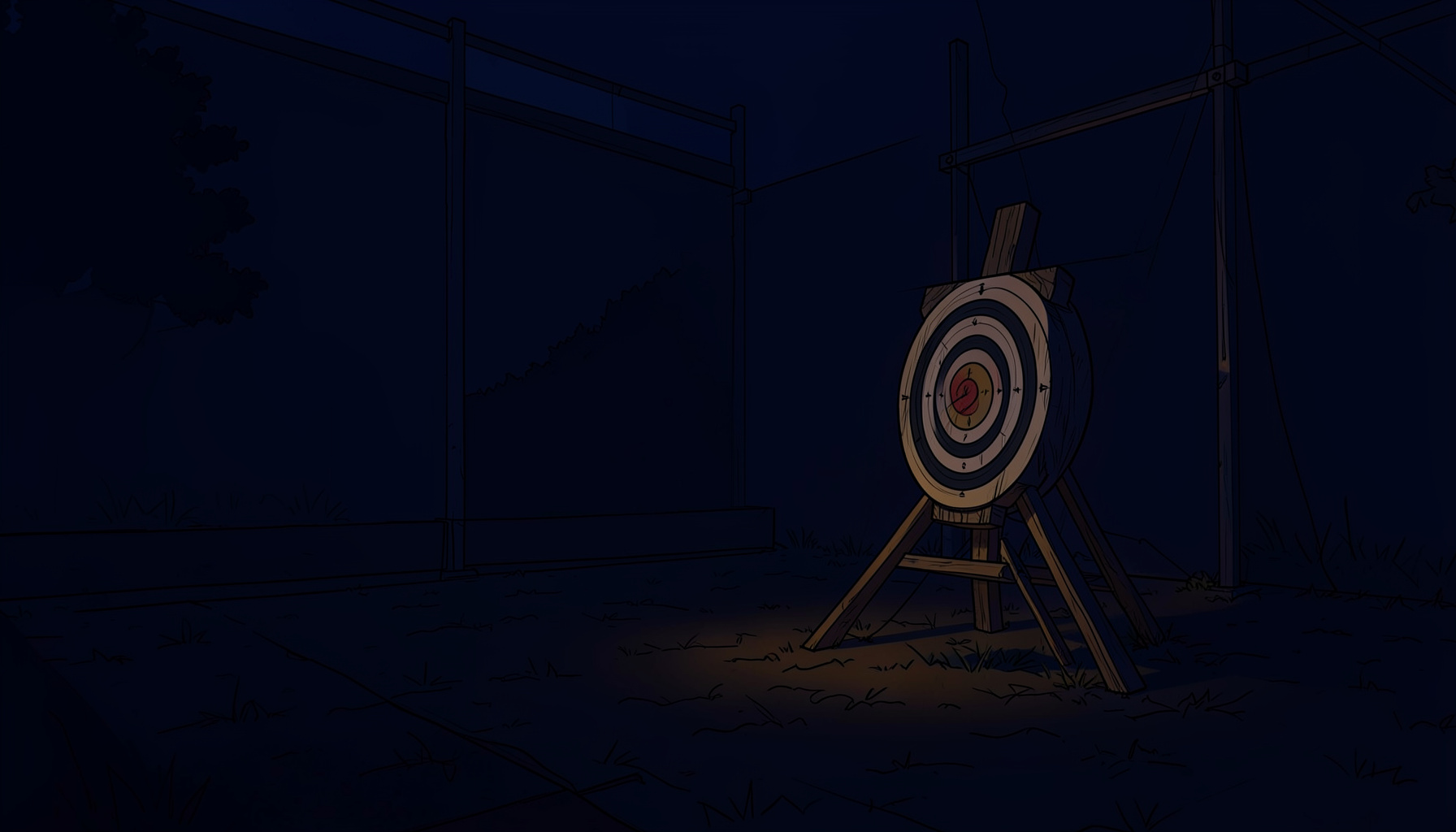
The art of instinctive shooting: no sights, no problem
Instinctive shooting is often described as an archer’s ability to hit a target without relying on sights, but the skill is more involved than simply looking at the gold. It combines visual judgment, a stable aiming pattern and the confidence to release the string cleanly. The result can feel remarkably natural once the body has learned a dependable sequence.
The aim is not eliminated; it moves inside the archer. Point-of-aim, hold and release methods each create a different visual reference, while consistent stance, anchor position and follow-through support accuracy. This makes unaided archery useful for beginners developing coordination as well as experienced competitors who want to understand their shot beyond a sight picture.
Inseme Cargese welcomes people approaching traditional, recurve, compound, field and 3D target archery with different levels of experience. Each discipline offers different cues, equipment and routines, yet all rely on the same foundation: sound technique, controlled practice and respect for those sharing the range.
What instinctive shooting really means
An instinctive archer uses the target’s shape, position and surrounding space as the primary reference. Instead of aligning a sight ring, pin or aperture with the aiming point, the archer develops an internal picture of where the arrow should travel. That picture becomes clearer through repetition rather than conscious calculation during every shot.
A stable stance and repeatable anchor allow the aiming picture to remain consistent. If the feet, shoulder alignment or string contact changes from shot to shot, the arrow may travel through a different path despite the same intention. Proprioception, the body’s awareness of position and movement, therefore becomes as important as visual focus.
Instinct does not guarantee accuracy. A sight can help a new archer understand consistent grouping, while an experienced archer may use both sighted and unaided practice. The objective is not to reject equipment, but to develop a reliable sense of aim that remains useful when conditions change.
Building a repeatable shot
Begin with four checkpoints: stance, set, anchor and release. Keep the feet in a comfortable, balanced position, bring the string to the same point on the face or jaw, expand the bow arm and finish with the string hand moving past the anchor. A coach should check these elements before an archer tries to add speed or distance.
Practice against a large, forgiving target at close range. The aim is to produce a consistent group with relaxed shoulders and a smooth release, not to strain toward the centre. Recording the group after each set helps identify whether errors come from aiming, draw length or an uneven release.
Progress gradually by moving farther away, reducing the target size or adding environmental distractions. Change only one factor at a time. A sight-free session becomes productive when the archer can repeat the same physical pattern under slightly greater pressure.
Matching the bow to the task
Traditional and recurve bows are often the simplest starting point for unaided shooting because they naturally reward a clear face alignment and anchor. Compound bows offer greater power and consistency, but removing the sight or release without adjusting technique can make aiming more difficult. Field and 3D target archers also use sights effectively while facing changing angles, uneven ground and targets hidden among scenery.
Australian archery shops and online retailers carry equipment suited to these varied styles. Buyers should compare bow length, draw weight, string type and arrow spine rather than selecting by appearance alone. Local clubs often use metric distances such as 40, 50 and 70 metres, making club-specific guidance valuable, especially for a first bow.
Second-hand equipment needs careful inspection for damaged limbs, cracked strings and worn arrow shafts. The equipment notes and practical coaching offered by Inseme Cargese provide a useful benchmark for beginners comparing options and learning how each setup affects performance.
Reading Australian light and wind
Australian conditions can expose weaknesses in an aiming routine quickly. Strong morning light makes a target harder to read, coastal wind alters arrow flight, and warm weather increases fatigue before the archer has noticed a change in balance. Training around Sydney, Melbourne, Brisbane and Adelaide often means using metropolitan parkland, sports ovals or dedicated suburban ranges with different backgrounds and wind patterns.
On the Gold Coast, Cedar Creek Golf Club offers a useful sporting parallel. Golfers learn to interpret wind and terrain on a course, while archers must recognise the same environmental cues without a mechanical sight to confirm the target line.
Practice in several kinds of light rather than relying on one clear day. Position drills, face alignment checks and deliberate releases help the archer recognise when wind, glare or fatigue is affecting the shot. The aim picture must remain useful even when the visual conditions are less familiar.
Safety, rules and responsible practice
Archery regulation is not identical throughout Australia. State and territory laws, council bylaws and individual range rules may cover public land, access hours, projectile behaviour and visitor conduct. Anyone joining a club or using an informal range should check the applicable rules before drawing a bow, particularly near roads, paths, houses or livestock.
Beginner instruction should include range commands, safe waiting positions, equipment checks and emergency procedures. Armguards, finger tabs, bow racks and suitable first-aid provisions reduce avoidable injuries. Arrows should be inspected for loose points, damaged shafts or damaged nocks, and bows should never be released without an arrow because the sudden movement can injure the archer or damage the equipment.
Hydration, sun protection and sensible limits on shooting in extreme heat matter just as much as arrow control. Club sessions provide structure and supervision, while experienced members can help newer archers develop judgement rather than encouraging risky experimentation.
From practice to club competition
Club life turns individual technique into a shared routine. Weekend sessions, supervised introductory lessons and informal gatherings give beginners time to observe experienced archers, ask about equipment and understand range etiquette. Many Australian clubs also combine competition with social events such as club meals or a sausage sizzle, making the range a place to build confidence and belonging.
Field and 3D competitions develop practical instincts because the archer must judge distance, angle and obstruction while moving between targets. In target events, practising at 50 or 70 metres and recording scores under a small-group pressure condition can reveal whether the aiming pattern survives distraction.
Unaided practice works best alongside conventional training. A sighted archer can learn precise grouping, while a no-sight session develops visual awareness and body control. The two approaches can inform each other, producing an archer who understands both equipment-assisted precision and instinctive adjustment.
A grounded start without sights
Instinctive archery grows through observation, repetition and honest adjustment. A consistent set, a trusted anchor point and a clear picture of the target provide a foundation that no sight can manufacture. Equipment should support that foundation, not conceal weaknesses in it.
The next concrete step is to book a supervised introductory session at a local Australian archery range and record the stance, anchor, release and follow-through used during the first set.