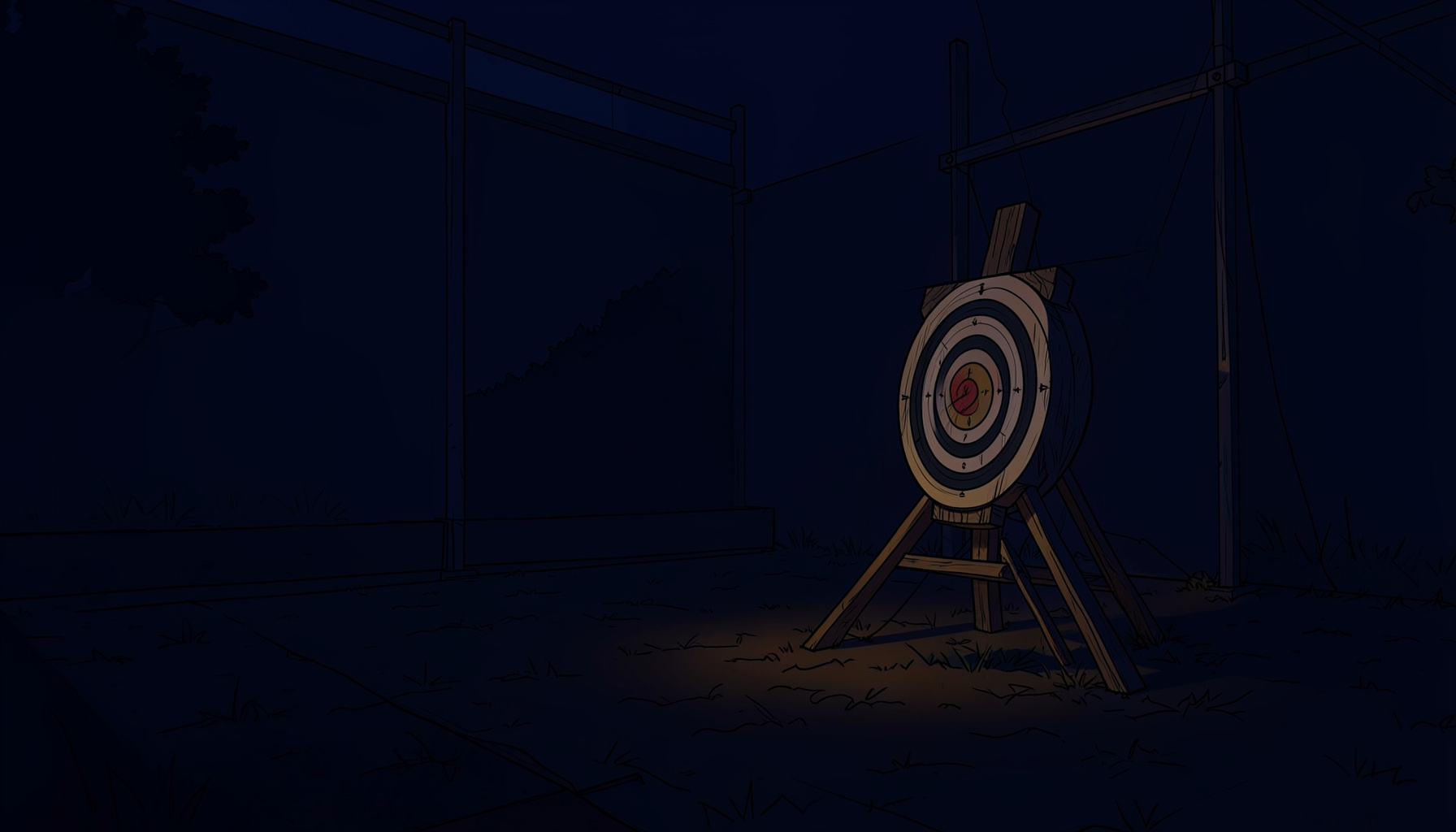
3D target archery essentials: targets, distances and scoring
Three-dimensional target archery has quietly become one of the most rewarding ways for Australians to enjoy the outdoors while sharpening their shooting skills. Unlike flat target rounds shot on a conventional range, 3D archery places you in a bushland or park setting where foam animals sit at unknown distances and the terrain shapes every shot. The format rewards judgment, patience, and reading the landscape, qualities that feel right at home on a weekend in regional Victoria or a coastal course near Coffs Harbour.
This guide walks through the building blocks every new shooter needs: the different foam targets you will meet, how courses are set up, what the scoring zones actually mean, the gear that helps you perform, and how to build good habits before your first round. Whether you train with a club in Brisbane, shoot informal rounds around Melbourne, or are just discovering the discipline, these fundamentals will keep your progress steady.
Foam targets and the animals you will see
Most 3D targets are built from layered, self-healing foam that takes broadhead and field-tip arrows without falling apart after a few shots. The faces are painted with clearly marked scoring rings, while the back of the animal stays mostly unmarked so archers cannot judge distance from a glance. Tournament-grade targets follow standards set by bodies such as the IBO and the IFAA, which keeps scoring consistent between events in different states.
In Australia, you will often find a familiar cast of native animals among the foam. Kangaroos, wallabies, wombats, emus, and the occasional saltwater crocodile feature at many club and national events, alongside deer, bears, and African game used by international federations. The variety is part of the appeal, since a stag at twenty metres and a wombat tucked into a gully ten metres beyond demand very different hold and timing.
Distances, stakes, and how courses are set
A typical 3D course uses either marked or unmarked targets. Staked rounds tell you the exact distance to each target on a coloured peg, while unmarked or walk-up rounds force you to estimate. Many Australian clubs run a mix across a single weekend, often starting new shooters on staked courses before moving them to unmarked as their confidence grows.
The classic IBO round includes twenty-eight targets with distances ranging from roughly five to sixty yards, and animals are positioned at varying angles on natural slopes and clearings. The IFAA Hunter round uses fourteen targets with three marked distances each, while the Animal round adds a second fourteen-target loop. Bushland settings around places like the Yarra Ranges or the hills behind Perth lend themselves to courses that test footing as much as aim, since a downhill shot to a roo presents a very different challenge to an uphill shot at a boar.
Scoring zones and how points are counted
The most widely used system is the IBO scoring table. Hitting the small vital rings around the heart and lungs earns the highest points, while the body mass and other areas drop the score. A pass-through that exits the rear of the target often counts as a hit in the lower-scoring zones rather than the higher, since the arrow exited before the vital region. Some clubs adopt the IFAA system, which uses a different point spread and ring layout, so checking before you shoot is wise.
| System | Vital zone | Heart or lung | Body mass | Miss |
|---|---|---|---|---|
| IBO | 11 | 10 | 8 | 5 |
| IFAA Hunter | 5 | 4 | 3 | 0 |
| IFAA Animal | 20 | 18 | 16 | 10 |
Knowing the scoring before you arrive means you can adjust your aim under pressure. A confident shooter may aim for the eleven ring on a broadside beast, while a beginner often picks the ten ring for a wider margin. Scores are summed across all targets, and small misses on easy shots add up faster than most people expect.
Equipment choices for 3D shooting
Compound, recurve, and traditional bows all appear on 3D ranges, and the discipline welcomes whichever style you prefer. Recurve archers often shoot with a sight and stabiliser setup similar to what they use on a flat range, while instinctive shooters rely on gap judgement and a relaxed grip. Broadheads are usually restricted to designated broadhead rounds or specific club days, with field tips the default for safety on shared courses.
If you are starting out and shooting a recurve, taking time with the right setup pays off down the track. There is solid advice on choosing a recurve bow for target archery that walks through draw weight, riser length, and sight choices without overwhelming a new buyer. Compound shooters should check that their rest and quiver suit walking between shots rather than static shooting from a peg, and traditional archers will want a forgiving arrow spine for the varied angles the course throws at them.
Building good habits on the course
Walking a course before shooting it is one of the most valuable habits a beginner can build. Look at the terrain, note where sunlight falls on each target, and think about which foot you will plant uphill. Practice at your club range with foam faces at varied distances so your brain learns to match angle and gap without consciously calculating. Many Australian clubs run novice days where experienced archers walk the course with newcomers and explain how they read a target in three to five seconds.
Bring a small pack with water, snacks, and a basic repair kit. Wear shoes with good grip for slopes and wet grass, and remember that Australian conditions can swing from a frosty Ballarat morning to a humid Cairns afternoon on the same weekend. Respect the etiquette: never draw a bow when someone is ahead of you on the path, and step back from the target before pulling your arrow so the next group can shoot safely. Joining a local club is the fastest way to internalise these rules, and Inseme Cargese welcomes archers of every background who want to enjoy the sport in good company.
Habits worth practising from the first round
- Spend a few sessions shooting flat target faces at varied distances before trying your first 3D round, so your gap sense has a foundation.
- Walk the full course at least once before the competition begins, even on marked stakes, to spot footing issues and light problems early.
- Carry a small notebook and record your arrow groupings on each animal so you can see patterns after a few rounds.
- Keep broadheads and field tips in clearly marked quivers to avoid confusion at shared events.
- Ask experienced club members which sight tape or pin gaps they use at typical course distances.
Scoring well in 3D archery comes from reading the target, choosing a smart aim point, and trusting your setup under pressure rather than chasing distance. Walk in prepared, shoot the gap you have practised, and each round will feel a little smoother than the last.