The Basics of Archery Scoring in 3D Rounds
Three-dimensional archery replaces flat paper faces with realistic animal-shaped targets placed around an outdoor course. The challenge is to judge distance, angle, terrain and target size before making one controlled shot. Scoring rewards both accuracy and decision-making.
For Australian archers, a 3D round may take place at a club range, in bushland or during a regional event organised under different rule sets. A course near Sydney, Melbourne or Brisbane can feel very different from a compact indoor session, particularly when sunlight, uneven ground and changing wind affect distance judgement.
Inseme Cargese welcomes beginners and experienced archers across traditional, recurve, compound, field and 3D disciplines. Learning the scoring system early helps new participants keep a clear scorecard, while experienced shooters can focus on clean execution rather than uncertainty about the target face.
Reading The 3D Target Zones
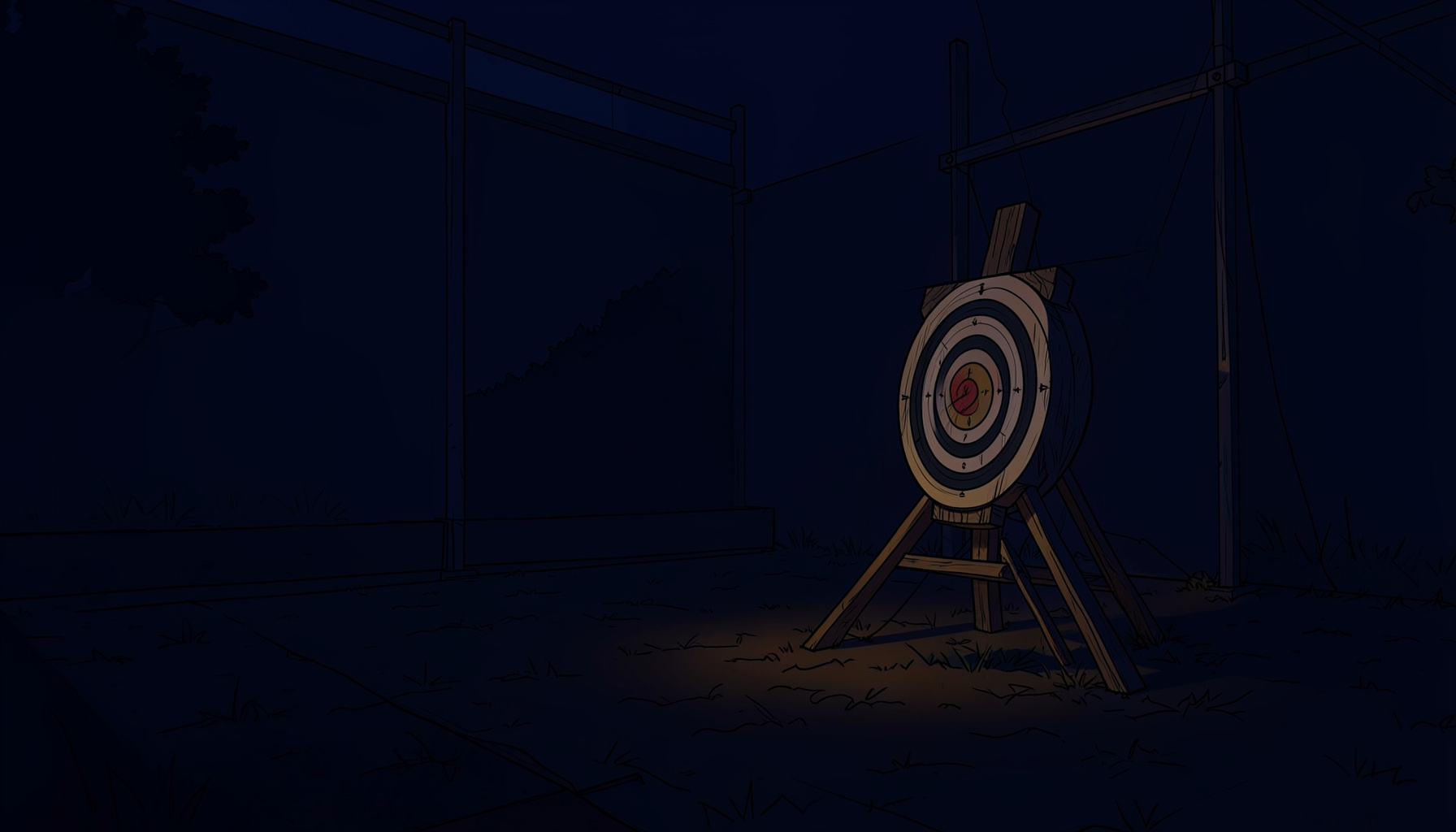
A 3D target usually contains several scoring areas that represent the animal’s vital zones. The highest-value area is commonly a small central ring, followed by a larger vital zone and then a lower-value body area. An arrow outside the scoring zones records zero, often marked as an M or miss.
The exact values depend on the governing rules. World Archery 3D formats commonly use values such as 11, 10, 8 and 5, while IFAA-style events may use a different sequence. Some Australian competitions follow Archery Australia regulations, while others use club, state or international rules, so the event briefing always takes priority.
An arrow touching a boundary is generally awarded the higher score, provided the judge can clearly see the contact. Do not pull an uncertain arrow before it has been checked; once removed, its position cannot be judged fairly.
Confirming The Round Rules
Before shooting begins, identify the scoring system, number of targets, number of arrows per target and permitted shooting distances. Many 3D rounds use one arrow at each target, although practice shoots and local formats can allow more. The same target can therefore produce very different total scores under different competition structures.
Check whether distances are marked, unmarked or a mixture of both. Unmarked-distance rounds test estimation, while marked courses allow the archer to concentrate more closely on technique and shot execution. Compound, recurve and traditional divisions may also have separate pegs, sight restrictions or equipment rules.
Australian clubs often publish event information in metres, and a target that appears close across open grass can be much farther away in dense bush. A short briefing beside the first target can prevent errors involving shooting pegs, arrow limits or class divisions.
Recording A Reliable Score
A scorecard should show the target number, the arrow value and the running total. Write clearly enough that another archer in the group can verify each entry. If the format uses a special value for a centre hit, bonus ring or spot, record it exactly as the organiser specifies rather than converting it from memory.
The group normally confirms the value before arrows are collected. One person can call the scores while another records them, then the archer checks the entry. Marking a miss as zero immediately is safer than leaving a blank space that may later be mistaken for an unrecorded arrow.
Digital scoring apps are useful at some Australian events, but a paper card and pencil remain practical in wet weather, bright sun and remote bush settings. Keep the card dry, and do not rely on a phone battery that may be depleted by poor reception or a long course.
Scorecard Essentials
A simple routine keeps attention on the shot rather than the arithmetic:
- Confirm the target number before scoring.
- Call every arrow value clearly.
- Check line cutters before removing arrows.
- Add the target total immediately.
Useful scorecard notes include:
- Division: compound, recurve or traditional.
- Round type: marked, unmarked or mixed.
- Arrow count allowed at each target.
- Any bonus or special scoring zones.
If an arrow is difficult to judge, ask the group to agree before touching it. A judge or range official should settle a genuine dispute, especially when the result could affect a medal, qualifying score or club record.
Keeping Scoring Safe
Scoring begins only when every archer has finished shooting and the range officer has given permission to approach the target. Walk together along the designated path, remain alert to groups on neighbouring lanes and never move ahead of the shooting line. In a field course, the target may be hidden from another peg, making communication especially important.
Remove arrows carefully from foam targets to avoid damaging shafts, points or the target face. A proper arrow puller is valuable for compound arrows driven deeply into dense foam. Hot Australian conditions also make water, sun protection and sensible pacing part of a safe day on the range.
Consistent equipment helps produce consistent scores. Nocking height, string fit and release quality can alter arrow flight, so review nocking point placement when groups drift high or low across several targets.
Avoiding Common Scoring Errors
The most frequent mistake is assuming every 3D target uses the same zones. Manufacturers can print or mould different markings, and local organisers may adopt a recognised rule book with its own values. Read the target diagram or event instructions before the first end.
Another error is scoring from memory after arrows have been pulled. Mark the card at the target, compare totals with a partner and correct a disagreement immediately. Also check that the score is entered in the correct column when several archers share a card.
Watch for equipment and division mistakes as well. A compound archer using a sight, stabiliser or release aid may not be eligible for a traditional class, while a recurve setup may have different restrictions. Correct classification protects the integrity of everyone’s result.
Using Scores To Guide Practice
A final score is useful, but the pattern behind it is more informative. Record which distances caused trouble, whether misses went high or low, and how often arrows landed in the outer scoring area. This turns a competition card into a practical training record.
For archers in Australia, training can reflect local conditions: practise distance estimation in open paddocks, work on uneven stances for bush courses and learn how glare affects aiming during Queensland or New South Wales summer events. Clubs around Adelaide, Perth and regional centres may also offer different terrain and wind exposure, making shared practice valuable.
The practical takeaway is simple: learn the event’s scoring rules, agree on every arrow before pulling it, record values immediately and review patterns after the round. Accurate scoring then becomes part of sound archery technique rather than an afterthought.