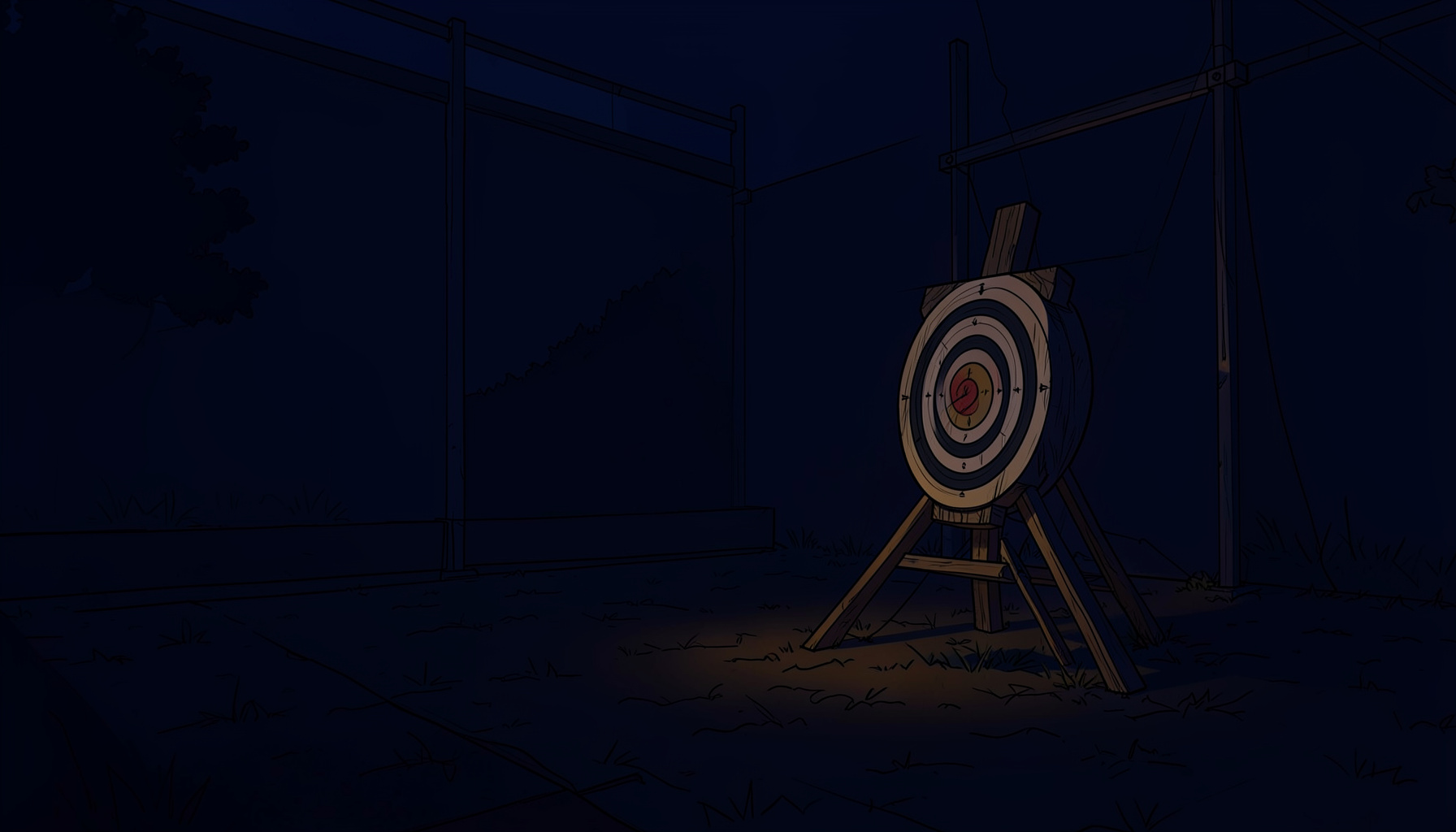
The benefits of shooting at longer distances in practice
Long-distance practice develops the accuracy, stability and confidence that shorter sessions can conceal. It asks an archer to control a fuller shot cycle, recognise small aiming errors and repeat the same result when the target appears smaller. The aim is not maximum distance, but dependable scoring at a demanding range.
That focus benefits recurve, compound, traditional and field archers in different ways. A target archer may need repeatable sight settings, while a field archer gains from judging distance, wind and footing across uneven ground. Longer shots also expose fatigue and tension earlier than close practice.
Good distance work should be specific. A 50-metre session, a marked field course and a 70-metre target round stress separate skills, so combining them without a purpose wastes arrows. Each exercise should identify the ability an archer needs under competition conditions.
Australian archers generally work in metres with metric 10-ring scoring, while state associations, local shops and community venues shape organised practice. Melbourne can shift between mild rain and bright, gusty afternoons; Canberra often brings cold, windy winter conditions; and Adelaide’s dry heat affects equipment and endurance.
Why distance practice matters
The training culture at Inseme Cargese in Corsica offers a useful model: shared sessions, equipment guidance and events help archers test skills beyond their usual routine. Moving to a less familiar range shifts attention back to fundamentals rather than relying on muscle memory from a familiar target.
| Practice distance | Main training effect | Best suited to | Main limitation |
|---|---|---|---|
| 30–40 metres | Form, release and sight confirmation | Beginners and warm-ups | Limited wind and flight correction |
| 50–60 metres | Scoring consistency and arrow grouping | Target archers and competition preparation | May conceal a poorly matched setup |
| 70 metres or more | Full flight control and fatigue management | Experienced target archers | Small errors become more costly |
| Marked field course | Distance judgement, wind reading and footing | Field and 3D archers | Terrain and conditions vary between rounds |
Distance practice also makes feedback easier to measure. Group arrows by target ring, record the average score and note which shots drifted. A planned change to sight, release or stance is more useful than repeatedly switching several variables after every miss.
Technique that transfers to longer shots
Start with the same stable mechanics used at a shorter distance: consistent stance, balanced alignment, controlled draw, clean release and a relaxed bow hand. Avoid reaching or leaning to make the target look closer. A repeatable position allows the archer to diagnose aim, arrow flight and equipment rather than confusing them with one another.
Use a clear aim point and adjust the sight in small, recorded increments. On a 70-metre target face, an arrow may look precise yet sit low or high, so checking the arrow hole is essential. Practise short holds and full-distance shots while keeping the same rhythm instead of adding force when the target shrinks.
Equipment choices for reliable arrow flight
Longer shots place more demand on the whole system. Bow weight, draw length, arrow spine, point weight, sight scale and release must work together. An arrow that leaves cleanly at 40 metres can behave differently at 70 metres, particularly if its spine, fletching clearance or trajectory does not suit the bow.
Equipment advice should therefore be matched to discipline and distance. Australian retailers carry recurve and compound bows, carbon arrows, sights, stabilisers and cases, but brand labels do not replace a professional fit or a measured test group. Replace damaged shafts, check nocks and inspect releases before adding distance.
Reading wind and light in Australia
Wind is often the first visible variable on an Australian field course, yet distance judges also account for lighting, vegetation and uneven shooting lines. Read the wind across flags, grass or nearby trees, then make one correction rather than chasing every ripple. A flag may show direction without revealing the full force acting on the arrow.
Conditions differ sharply across the country. Melbourne’s exposed parkland can gust after a calm morning, Canberra’s winter wind can alter a bow’s balance, and Adelaide’s summer heat can make repeated draws tiring. Check local council or land-manager rules and observe the club custom of waiting for the range officer’s command before drawing.
Field rounds use marked 12 and 18 target faces at varying distances, often from 10 to 60 metres. Those shots demand different judgement from a 70-metre target round because the distance, angle, background and target size may all change.
Turning practice into competition scores
Competition distance becomes familiar through patterns, not surprise sessions. Set marked ends, use a score sheet and include a full warm-up before moving back. A practical session might combine 30-metre form work, 50 or 60 metres for scoring, and one 70-metre block with generous rest between ends.
Travel adds another layer, especially for interstate events between cities or regional clubs. A protected bow reduces damage that could change limb alignment or sight settings. This bow-case travel guide explains how case design supports safe transport and helps protect performance beyond the practice range.
Endurance, focus and recovery
Farther shooting requires patience because attention can drift while an archer waits for a full set or watches arrows land. Use a short pre-shot routine: check the target, settle the feet, set the aim, breathe and release. Consistent timing reduces the urge to rush a second shot after an unexpected result.
Broader technical reading can clarify coaching terminology: this archery technique resource provides another reference for discussing anchoring, release and target geometry. Local coaching and scorecards should remain the basis for adjustments, while rest prevents fatigue from being mistaken for a technique fault.
A repeatable distance routine
A useful session begins with a light warm-up, then establishes a baseline at one distance before extending it. Shoot manageable groups, record the score and stop when form deteriorates. Fatigue can imitate poor aim, so rest before it changes the technique being trained.
Field archers can add an unmarked-distance walk, while target archers should include a sight-control check. Whatever the discipline, inspect equipment, confirm safe shooting lines and keep the session focused on one measurable goal.
The practical takeaway is to treat every longer shot as a repeatable measurement: confirm the setup, make one controlled adjustment, record the result and build consistency before chasing greater distance.