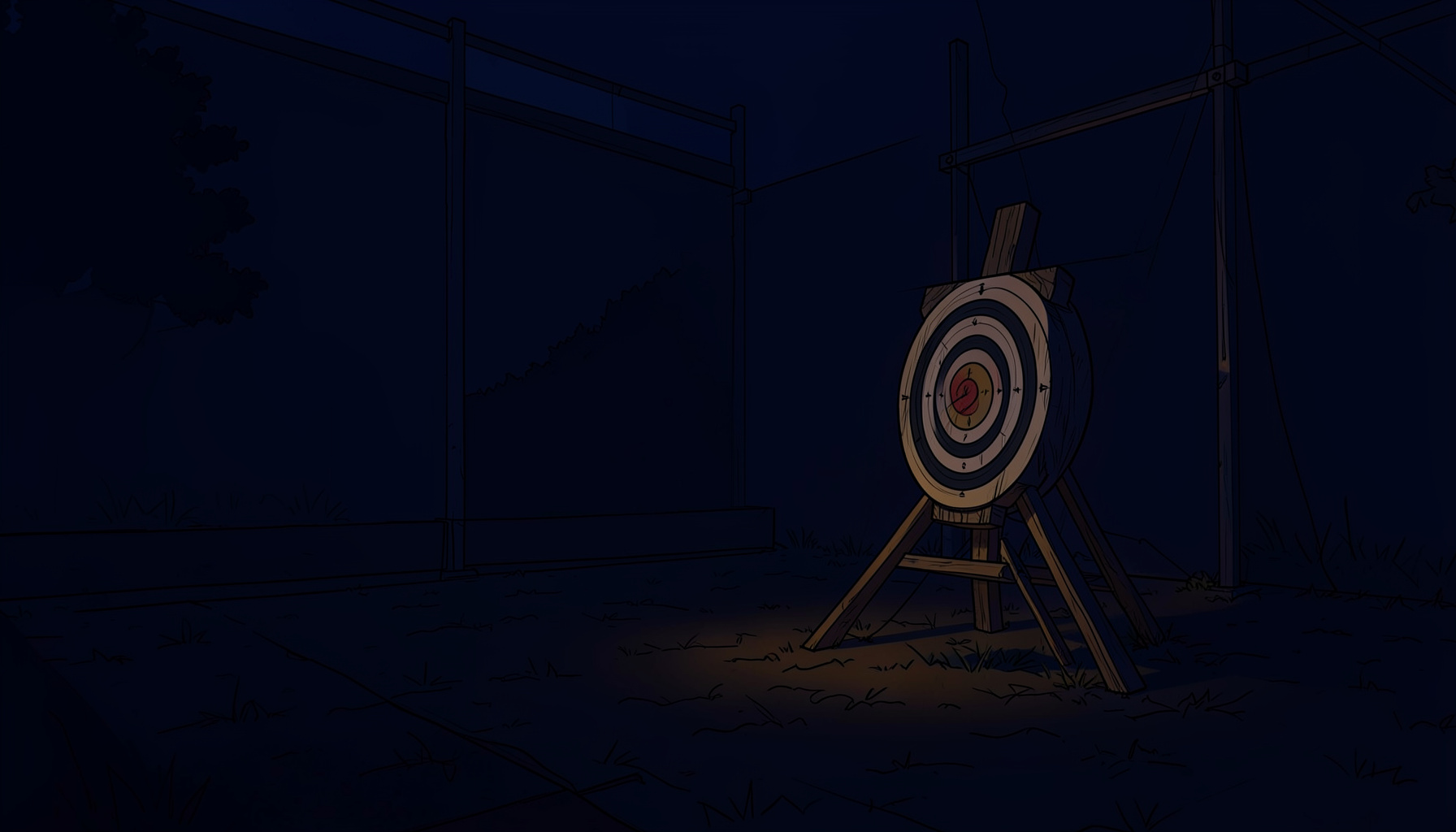
Indoor And Outdoor Archery Lanes Explained
Indoor and outdoor archery lanes can look similar at first glance, yet they create very different shooting experiences. Distance, lighting, wind, surfaces, target faces and surrounding activity all influence how an archer aims, releases and evaluates each shot.
For Australian archers, the choice may depend on far more than preference. A covered range can be useful during a wet Melbourne winter or a hot Perth afternoon, while an outdoor field near the coast may offer the space and atmosphere needed for longer-distance practice. Understanding both settings helps beginners train safely and helps experienced archers select the right session.
Indoor Range Design
Indoor ranges usually provide a controlled shooting line, fixed target distances and consistent lighting. Common distances include 10, 18 or 25 metres, with target bosses arranged at an even height. The level flooring makes it easier to repeat stance, anchor point and bow alignment from shot to shot.
The enclosed environment removes wind and most weather changes, so an archer can focus closely on technique. This makes indoor practice particularly useful for learning recurve finger release, compound anchor routines or traditional bow form. The surroundings can be louder than an outdoor field, however, especially when several archers are shooting together.
A well-run club also manages traffic behind the line, equipment storage and waiting areas. At Inseme Cargese, the club’s activities reflect how a community setting can combine structured training with social gatherings and different archery disciplines.
Outdoor Shooting Environment
Outdoor lanes introduce changing variables that cannot be recreated fully inside. Wind direction may shift between ends, sunlight can alter contrast on the target face, and uneven ground may affect foot placement. Coastal locations can add salt air and stronger gusts, while inland ranges may experience dry heat, dust or sudden storms.
Longer distances are a major feature of outdoor target archery. Recurve and compound archers may shoot at substantial ranges, while field and 3D courses place targets at varied distances and angles. These formats reward judging, adaptability and calm decision-making rather than a purely repeatable indoor routine.
Australian conditions deserve special attention. A summer session in Adelaide or western Sydney may require sun protection and extra hydration, while a Brisbane archer may need to plan around humid weather and afternoon storms. Regional clubs also often schedule early-morning shoots during school holidays to avoid the harshest heat.
Equipment And Technique
Bow setup can remain broadly similar between venues, but tuning and accessories may change. Indoor archers often use stabilisers and sight marks optimised for one distance. Outdoor archers may need sight adjustments across several distances, stronger stabilisation against wind and arrows suited to the discipline.
Compound bows can be highly precise indoors, where small changes in release or peep alignment are easy to identify. Recurve bows benefit from the same stable conditions when an archer is refining clicker control or finger pressure. Traditional archers may use outdoor sessions to develop instinctive aiming, gap shooting and movement across a field course.
Arrow selection also matters. Indoor rounds often use larger-diameter arrows where regulations permit, while outdoor target archers commonly consider wind drift and distance when selecting shaft weight and profile. Beginners should ask a coach before buying equipment, since local club pro shops and Australian retailers may stock different options from general sporting-goods chains.
Comparing The Two Settings
| Feature | Indoor Lane | Outdoor Lane |
|---|---|---|
| Typical conditions | Controlled temperature, light and airflow | Wind, sun, rain and changing temperatures |
| Common distances | Short and fixed | Medium to long, often varied |
| Main technical focus | Repeatability and clean execution | Adaptation, distance control and judgement |
| Surface | Usually flat and even | May be grass, soil, gravel or uneven ground |
| Useful equipment | Stable sight marks and close-range setup | Sun protection, weather layers and wider sight adjustments |
| Best suited to | Form development and regular practice | Competition preparation and field experience |
Neither setting is automatically superior. Indoor lanes make technical feedback easier to interpret, while outdoor ranges expose weaknesses that controlled conditions can hide. A balanced programme might use weekly indoor sessions for form and occasional outdoor shoots for distance, wind reading and confidence.
Australian competition calendars can influence this balance. Target archery, field events and 3D competitions have different preparation demands, and travel between metropolitan and regional venues can make regular outdoor practice harder. Checking the rules and format of a local event before training keeps preparation relevant.
Safety And Session Planning
Safety procedures apply in every venue, although the hazards are different. Indoors, archers must respect the shooting line, firing commands and clearance behind the target wall. Outdoors, the range must also account for walkers, livestock, neighbouring properties, vehicle access and the possibility of arrows travelling beyond the target.
Weather planning is part of safe archery in Australia. Heat, lightning, bushfire conditions and high winds may require a session to be shortened or cancelled. Carrying water, wearing a broad-brimmed hat and applying sunscreen are sensible habits, while enclosed ranges may require hearing awareness when many bows are being shot at once.
Practical Checks Before Shooting
A quick check before an indoor session can prevent avoidable equipment and range problems:
- Confirm the target distance and face size
- Inspect limbs, strings, cables and nocking points
- Check that arrows match the bow and draw length
- Warm up shoulders, back and wrists
Outdoor preparation benefits from a few additional checks:
- Pack water, sun protection and weather-appropriate layers
- Look for wind direction, shade and uneven footing
- Bring spare nocks, a tab or release aid, and basic tools
- Confirm the range’s access, timetable and local rules
Cross-training can also support posture, balance and body awareness. Activities such as strength work, mobility training or Muay Thai practice may complement archery when the programme is sensible and recovery is prioritised. Archers should avoid intense upper-body work immediately before a precision session.
Building Skills Across Settings
Beginners often progress faster when they start indoors. A short, repeatable distance allows them to learn safe handling, shooting commands and a consistent sequence without trying to solve wind or range estimation at the same time. Coaches can see technical errors clearly and adjust stance, grip or anchor position.
Once the basic movement is reliable, outdoor practice adds useful complexity. Archers learn to wait for a calmer wind cycle, estimate distance, protect equipment from moisture and make sight corrections. Field and 3D courses also encourage movement, observation and decision-making between targets.
The best lane is therefore the one that matches the current training goal. Choose a covered range for dependable repetition, an outdoor target field for distance work, and a field or 3D course for adaptability. Keeping notes after each session—weather, distance, bow setup and grouping—turns both environments into practical steps towards better archery.