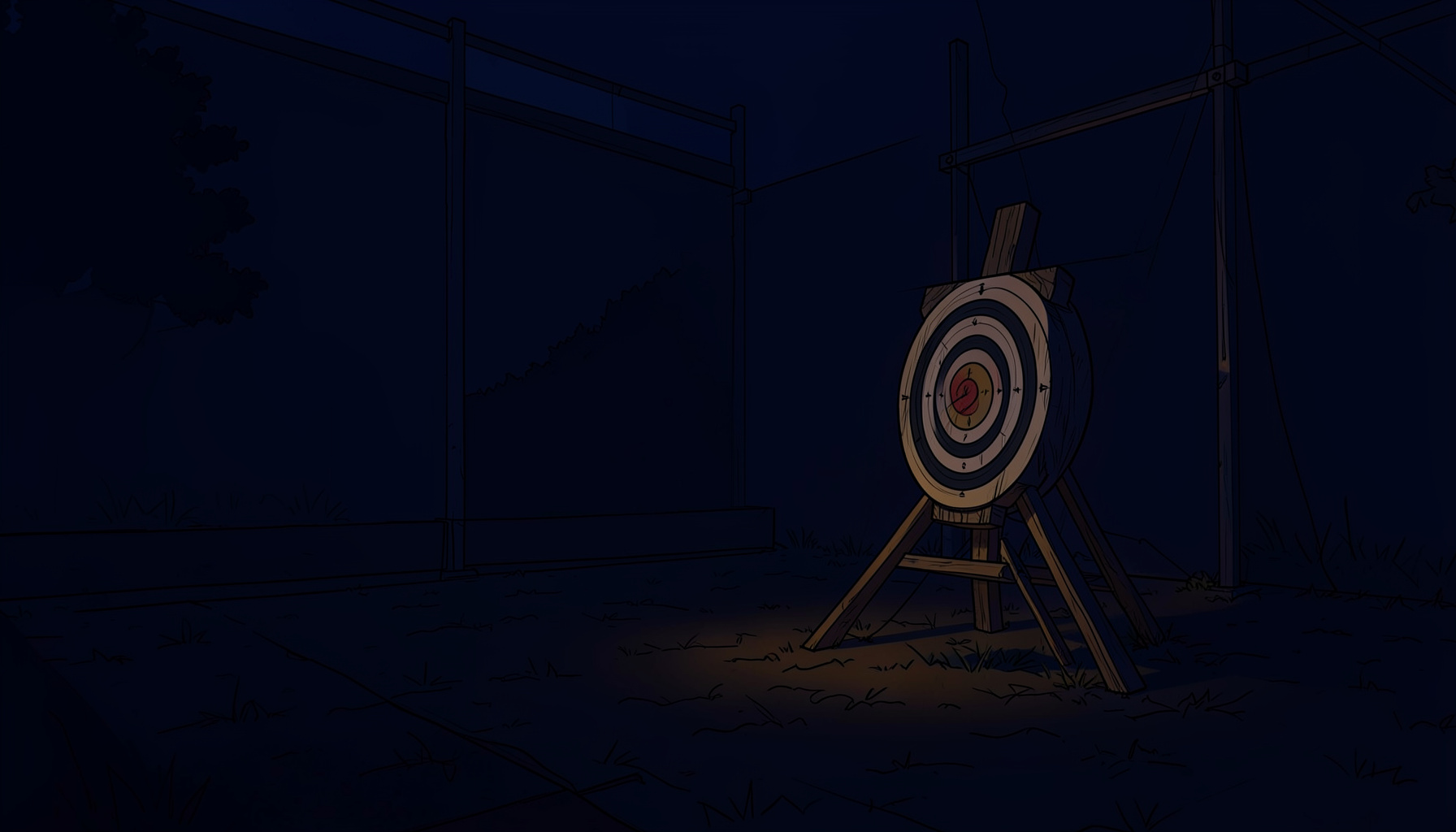
The differences between target arrows and hunting arrows
Target arrows and hunting arrows can look similar, but their priorities differ. Target shafts are engineered for repeatable flight and tight groups, while hunting shafts favour penetration, durability and dependable performance in varied terrain.
Australian bowyers need both distinctions. Precision rounds commonly use 18-metre indoor distances and 40–70-metre outdoor distances, while bowhunting tests arrows against wind, scrub and long shots. Clubs around Sydney, Melbourne, Brisbane and Canberra support target, field, 3D and traditional archery with local coaches and metric equipment.
Neither label guarantees quality. A well-matched hunting shaft can perform superbly, and an unsuitable target arrow can wander. Bow strength, draw length, arrow weight, point choice and intended use determine the right setup.
Design priorities
Target arrows place a premium on manufacturing consistency. Straight shafts, matched lengths and carefully balanced points make each shot behave like the last. This matters in recurve and compound target rounds, where a small directional difference can change the score at 40 or 60 metres.
Hunting arrows are chosen for useful energy, penetration and tolerance of field impacts. They may use heavier shafts, durable points and larger fletching that stays visible after a miss. For wooden shafts and historic-style bows, traditional arrow selection offers useful guidance on fit and spine rather than point type alone.
Weight, speed and draw length
Arrow mass is usually quoted in grains; 700 grains equals 45.36 grams. Many target recurve setups use about 300–500 grain shafts, while hunting packages often fall between 450 and 750 grains. These are starting ranges, not rules. Bow draw weight, arrow length and shooting distance matter more than a fashionable number.
Australian archery retailers and online stores usually quote grains and inches for shafts while using metres on the range, commonly offering 28–32-inch draw lengths. At the same launch speed, a heavier arrow carries more energy and momentum. Kinetic energy rises with mass and the square of velocity, so the fastest arrow is not automatically the best penetrator. Match draw length and point weight to the bow, then consult the shaft maker’s chart.
Spine, balance and consistency
Spine measures a shaft’s resistance to bending under a defined test, but ratings differ between makers and designs. Compare spine only within one manufacturer’s system. A target set benefits from close consistency in length, weight, diameter and spine; a hunting set allows more visual variation, but balanced mass and predictable flight still help.
Material is another clue, not a verdict. Small-diameter aluminium or carbon shafts can serve targets, while wood and thicker carbon may better tolerate field impacts. Properly selected wooden arrows can be exceptionally consistent.
The main distinctions are:
| Feature | Target-oriented arrows | Hunting-oriented arrows |
|---|---|---|
| Primary goal | Tight groups and repeatable impact | Penetration, durability and field performance |
| Usual weight range | Often 300–500 grains for target recurve | Often 450–750 grains, with specialist exceptions |
| Shaft | Small-diameter aluminium or carbon suited to consistency | Often heavier or larger diameter; wood, carbon or aluminium |
| Point | Bullet or field points approved for target bows | Broadhead, bodkin or field point, subject to local law |
| Fletching | Small, uniform vanes for clean flight | Often larger or higher-contrast vanes for control and visibility |
| Matching | Sets closely matched in length, weight and spine | Visual variation matters less, but balance remains important |
| Typical use | Target, 3D and field competitions | Bowhunting, with practice use only where appropriate |
These are general tendencies rather than fixed rules. Point weight and fletching can alter balance even when two shafts have the same stated spine, so testing the complete arrow matters.
Points, fletching and safe use
Point choice is safety-critical. Use only points approved for the target and bow; a field point should never be confused with a hunting broadhead. Broadheads, bodkins and blunt practice points behave differently and should never be substituted casually.
Australian state and territory rules govern bowhunting details such as permitted equipment, culling, baiting and shooting distances. Check local conditions, inspect the backstop and control the downrange area before using broadheads. For older equipment and wooden-arrow traditions, the historical resources from New England Antique Racers can provide useful context, while current maker data and regulations should guide practical choices.
A practical selection checklist
Begin with the discipline, bow and legal use rather than a brand. Beginners can compare target, traditional, field and 3D options through clubs such as Inseme Cargese, whose coaching covers technique, safety and equipment choice.
- Define the purpose first, whether that is target scoring, 3D, field, hunting or practice.
- Match shaft length and weight to the bow and draw length, using manufacturer charts rather than guessing from spine alone.
- Keep complete sets matched where possible, especially for target shooting, and record each point, shaft and fletching combination.
- Inspect shafts, nocks and points for cracks, looseness or damage before field sessions, replacing questionable arrows.
- For hunting, confirm permitted points, season limits, culling rules and safe shooting distances for the relevant state or territory.
Testing should use suitable target points and a safe backstop. Shoot several arrows through the intended bow and compare launch, grouping and impact, revealing fit problems that a specification chart cannot show.
What to remember when comparing arrows
Target arrows reward consistency, matched components and repeatable impact. Hunting arrows reward penetration, durability and confidence across changing terrain. Neither is universally better; each suits different conditions and expectations.
Always remember that spine ratings and advertised speeds are meaningful only within their test conditions. Check the complete arrow on the intended bow: draw length, total mass, point, fletching and legal use all matter. Choose for the discipline, fit and conditions, and let predictable performance—not the label alone—make the final decision.