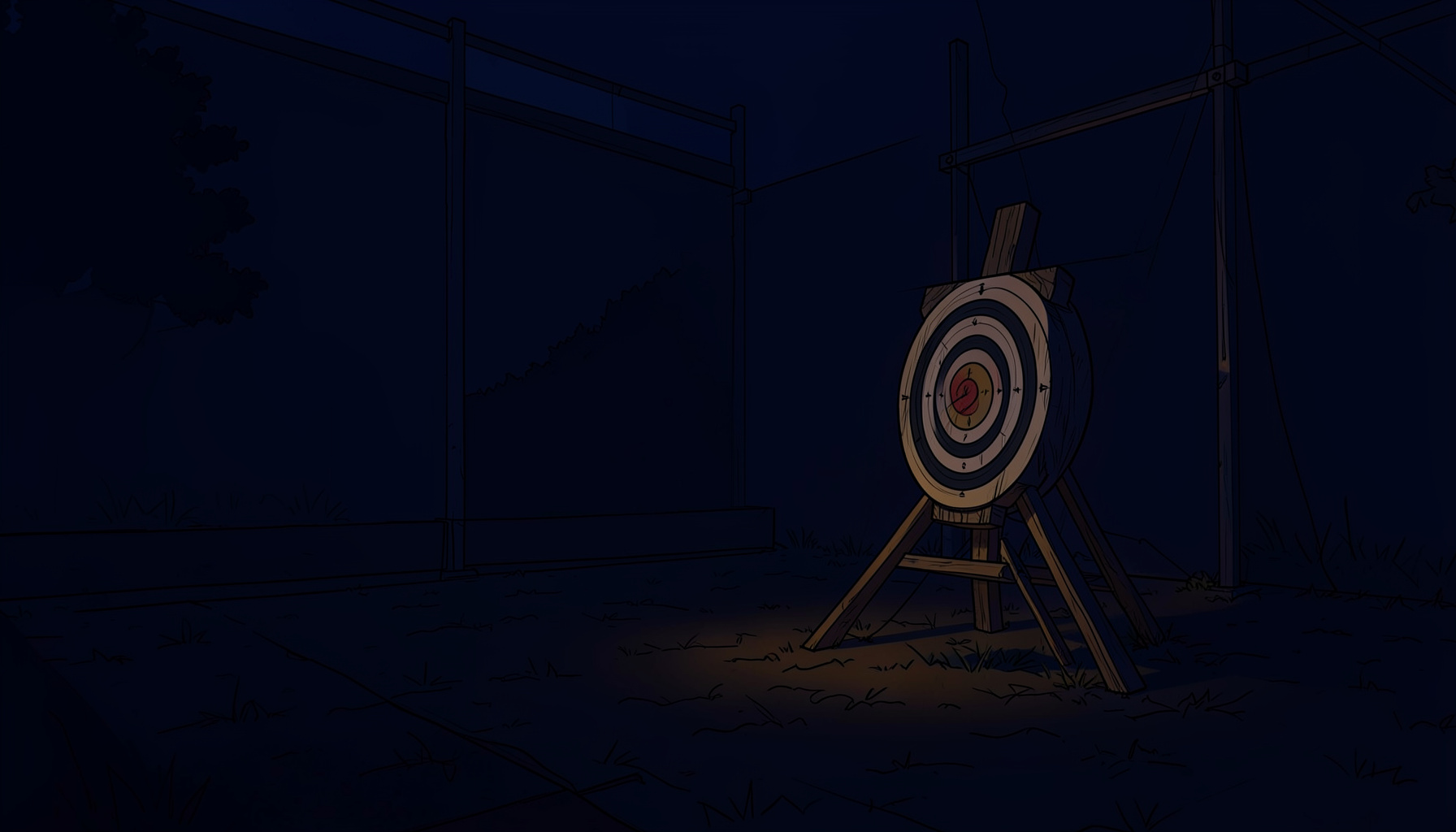
How a bow stabilizer reduces vibration and improves control
A bow stabilizer is often described as a vibration killer, although its real value is more measured. Its forward weight and damping material absorb some of the energy created when the limbs flex and the string oscillates. The result is usually a quieter bow, a steadier feeling after release, and better control without completely eliminating vibration.
The right setup depends on the bow, draw weight, shooting style, and discipline. Australian archers in Melbourne, Sydney, Brisbane, and Canberra regularly travel to suburban or peri-urban clubs, often carrying equipment after work or at weekends. In warm, exposed conditions, managing vibration can be as important as protecting the bow from accidental knocks and difficult weather.
| Bow type | Main vibration concern | Practical starting point |
|---|---|---|
| Traditional longbow | Flexible limbs and a long oscillating string | A light, adjustable damper if the manufacturer permits it |
| Recurve | High limb energy and pronounced string movement | A compact rod that preserves balance and clearance |
| Compound | Rapid limb movement and substantial torque | A robust forward damper matched to the bow’s mass |
| Field or 3D | Fast transitions and changing shooting positions | A removable or lightweight setup that supports mobility |
How stabilizer damping changes the shot
When an arrow leaves the string, the limbs store and release energy, causing the bow to move and vibrate. Damping material inside a stabilizer converts some of that mechanical movement into heat. A heavier stabilizer also moves the bow’s centre of gravity forward, which can reduce angular movement during the draw and after release.
The benefit is not simply less noise. Many archers report a clearer separation between release and follow-through, allowing them to judge the shot without waiting for the bow to settle. That makes the stabilizer especially relevant at Inseme Cargese, where the different shooting disciplines range from traditional and recurve to compound, field, and 3D target archery.
More weight is not automatically better. An overbuilt front end can make a bow feel sluggish, disturb alignment, or create problems around obstacles and shooting platforms. A useful stabilizer reduces unwanted movement while leaving the archer’s draw, release, and sight picture unchanged.
Matching the stabilizer to the bow
Longbows and recurves respond differently because their limbs, mass, and overall length vary considerably. The practical contrast shown in longbow and recurve shooting demonstrates why equipment decisions should begin with the actual bow rather than a universal weight or rod length. Traditional bows may benefit from a modest damper, while target recurves often suit a longer, more precisely adjustable front rod.
Compound bows introduce cams, cables, and substantial stored energy. Their stabilizers commonly serve both damping and balance functions, but an excessively heavy unit can interfere with the bow’s handling or become awkward at a tournament line. Field and 3D archers face a similar compromise because they may move between stances, shoot through gaps, or carry their equipment over uneven ground.
Accessory compatibility is essential. Stabilizer threads, brackets, bow stands, arrow rests, and sight mounts must all be designed to work together. A damper should not be twisted into a fitting that is damaged, improvised, or outside the manufacturer’s specified torque.
Stabilizer use in Australian shooting conditions
Outdoor clubs across Australia often deal with strong coastal wind, hard sunlight, heat, and occasional rain. A damper can improve perceived stability in these conditions, but it cannot compensate for poor footing or an unstable shooting platform. Archers in Melbourne and Sydney may also find that added front weight changes how a bow fits into a car, public transport, or a shooting stand at a crowded range.
The Australian market offers stabilizers through specialist archery retailers and online marketplaces. Prices are generally quoted in Australian dollars, while imported models may vary in availability and replacement parts. Buyers should compare total weight, adjustment range, thread size, damping material, and local warranty support rather than selecting by appearance alone.
Ordinary bows are not firearms under the Commonwealth framework, but state and territory laws can treat certain crossbows differently. Council rules also govern archery on reserves, roadsides, parks, and other public land. Club members should check permit conditions and local projectile restrictions, particularly when travelling beyond their usual range or using public facilities.
Setting up a stabilizer without upsetting balance
A stabilizer changes the bow’s balance before it changes the archer’s perception of vibration. Independent stabilizer setup advice can help with basic fitting, but the manufacturer’s instructions for the bow and accessory remain the primary guide. Tighten fittings gradually, check alignment, and confirm that the rod will not strike a target face, wall, or neighbouring archer.
Tuning works best when only one variable changes at a time. Start with the manufacturer’s lightest setting or a known compatible setup, shoot a controlled group, and record the feel, sound, and arrow impact. If balance or technique worsens, remove weight before increasing it. Stabilizers should support a consistent release, never pull the bow off line or encourage a flatter, forced follow-through.
Safety checks belong in the same routine. Inspect threads, washers, brackets, and rubber before each session, especially after transport. A loose fitting can change vibration and balance, while a projecting rod can catch clothing or another archer’s equipment during a crowded club session.
A practical stabilizer routine for regular archers
Begin every equipment check by looking for dents, corrosion, cracked damping material, and damaged threads. On the way to an outdoor range, remove long or delicate rods when possible and carry them separately from bow cases. This reduces pressure on the fittings and makes the stabilizer easier to align after arriving at the club.
Add weight in small, deliberate stages. Shoot the same distances in similar light, keep notes, and retain only the arrangement that improves control without reducing balance or consistency. A well-fitted stabilizer should make the bow feel quieter and more settled while allowing the archer to repeat the same draw and release. The practical takeaway is to begin with the lightest useful damping setup, test it against a consistent baseline, and adjust only when vibration, balance, or shot control provides a clear reason.