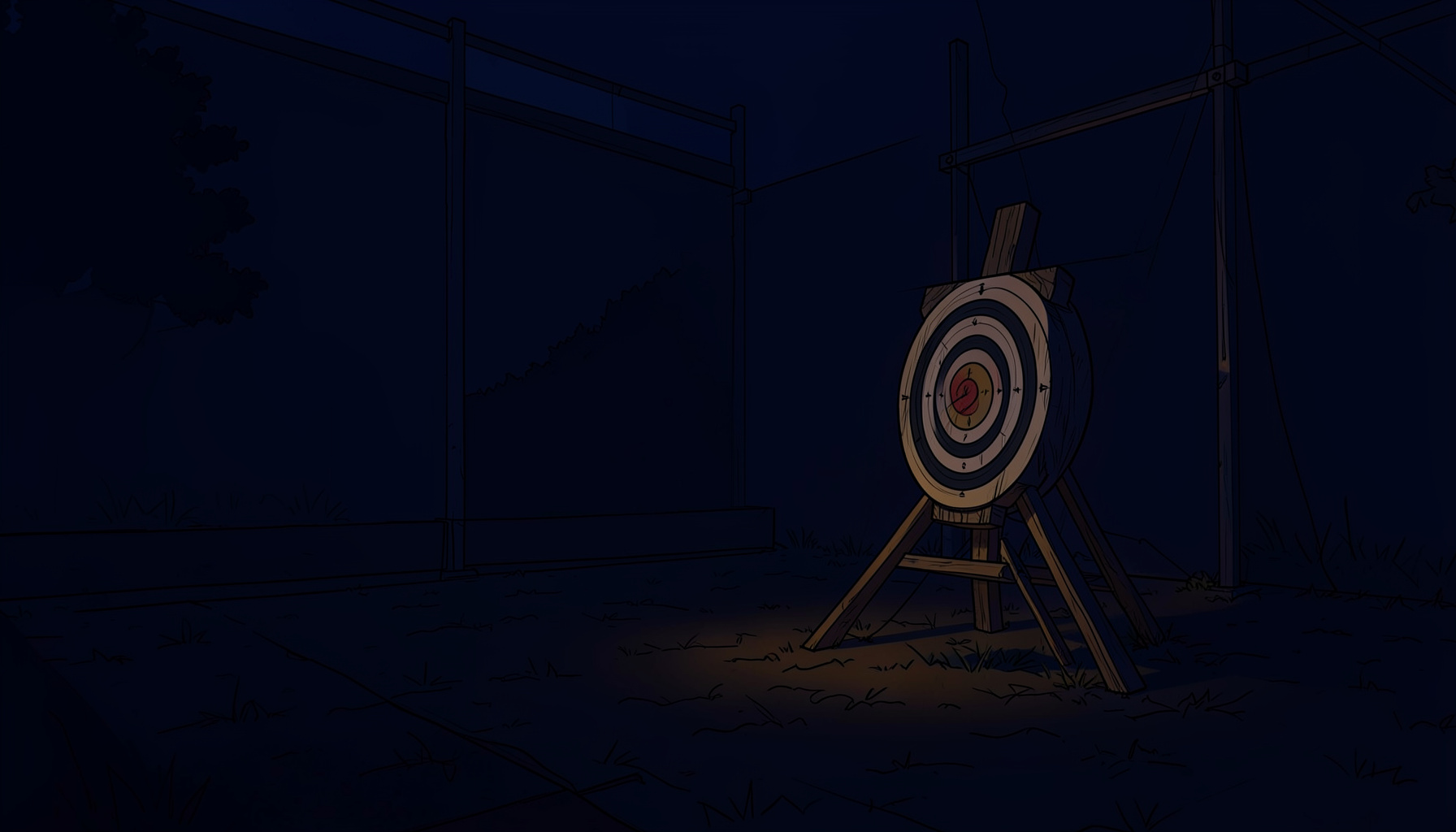
Capturing the Spirit of Archery Club Events
Archery photography has to show more than a bow, an arrow and a target. The strongest images reveal concentration before the shot, movement through the release and the friendly atmosphere that makes a club feel welcoming. At Inseme Cargese, that might mean documenting a beginner’s first session, a field round among the trees or a lively regional gathering.
A good event photographer works with the rhythm of the range. Archers repeat familiar steps, but every shot has a different expression, posture or moment of tension. Watch the shooting line carefully, learn when arrows are being collected and keep your position safe before thinking about dramatic angles.
Australian photographers face their own practical conditions. Harsh midday sun in Perth, salt-bright light around Adelaide or a sudden change in weather near the Blue Mountains can make exposure difficult. In regional clubs, volunteers often run the day from a ute, a gazebo or a folding table, so a compact and reliable kit is usually more useful than a heavy professional setup.
The best gallery also reflects the way clubs operate in Australia: a quick arvo session after work, families sharing the range and competitors travelling long distances for a weekend shoot. Capture the small details alongside the scoring and action, and the finished story will feel genuine rather than staged.
Plan Around The Range
Before photographing, ask the session organiser where spectators may stand and which areas must remain clear. The shooting line, waiting area and target lane all have different safety requirements. Never cross in front of an archer, move behind the targets or distract someone at full draw for a photograph.
Arrive early enough to photograph setup, equipment checks and warm-up. These quieter moments provide useful establishing images before the range becomes busy. A short look at warm-up exercises can also help you recognise stretches and preparation movements worth documenting without interrupting them.
Choose Gear For Movement
A camera with a responsive autofocus system and a medium telephoto lens is a dependable combination. A 70–200mm lens lets you fill the frame from a safe distance, while a 24–70mm lens works well for group portraits, club briefings and wider scenes. A fast memory card matters when several arrows are released in quick succession.
Protect equipment from dust, rain and glare. Carry spare batteries, a lens cloth, a lightweight rain cover and a polarising filter when conditions allow. In Australia, sunscreen and a hat are practical photography equipment too, particularly at exposed outdoor ranges where reflected light can become tiring over a full day.
Balance Light And Timing
Use a fast shutter speed to freeze the release, fingers leaving the string or an arrow arriving at the target. Continuous autofocus and burst mode can help, although short bursts are easier to edit than holding the shutter down for every shot. Focus on the archer’s face or front shoulder before the draw reaches its most stable point.
Exposure compensation is useful when a dark-clad archer stands against a bright target face or pale sky. Shoot in RAW if possible so highlights and shadows can be adjusted later. The following starting points are practical rather than fixed rules:
| Scene | Shutter Speed | Aperture | Useful Approach |
|---|---|---|---|
| Archer at full draw | 1/1000 sec | f/4–f/5.6 | Track the face and bow arm |
| Arrow release | 1/1600 sec or faster | f/2.8–f/4 | Use a short burst |
| Group portrait | 1/250 sec | f/5.6–f/8 | Keep everyone on a similar plane |
| Field or 3D course | 1/500 sec | f/4–f/8 | Include terrain and context |
Cloud cover often produces flattering light, while direct summer sun may create hard shadows under hats and brows. If the club has a shaded area, use it for portraits and reserve the brightest part of the range for action frames.
Photograph People And Progress
Candid photographs are most effective when they respect the archer’s concentration. Look for a junior checking their stance, an experienced competitor offering advice or a group comparing scores after a round. Ask before making posed portraits, especially when children are involved, and follow the club’s privacy and permission procedures.
Variety gives an event gallery a sense of progression. Mix close details of grips, tabs, feathers and targets with wider views of the range. For an informative training story, techniques from long-distance accuracy drills can be paired with images showing posture, alignment and follow-through.
Build A Repeatable Event Workflow
A simple shot list prevents the day from becoming a collection of similar release photographs. Begin with the venue, signage and preparation, then move through instruction, shooting, scoring and social moments. Include different disciplines where possible, from traditional and recurve bows to compound, field and 3D target archery.
Useful moments to record:
- Arrival, registration and equipment setup
- Coaching details and safety briefings
- Full draw, release and arrow impact
- Conversations, shared meals and presentations
Keep a second list for practical coverage:
- Wide scene showing the landscape
- Portraits of beginners and experienced members
- Close-ups of hands, bowstrings and scorecards
- A final group or club identity image
Review a few frames during breaks rather than waiting until the end. Check focus, exposure and whether faces are hidden by hats or bow limbs. This is especially valuable at a long Australian summer event, when batteries, heat and changing light can affect equipment before the last round.
Edit And Share The Story
A strong selection usually includes fewer images with clearer purpose. Remove near-identical bursts, accidental closed eyes and frames where the bow or arrow is cut awkwardly. Correct colour, lift faces in shadow and keep skin tones natural. Avoid excessive sharpening, since fine bowstrings and target lines can quickly look artificial.
When photographing historical or themed events, detail can carry the story. Craftsmanship, worn handles and handmade accessories deserve the same attention as modern compound equipment; an account of a tournament sword’s journey offers a useful reminder that sporting objects can have a visual history of their own.
For club websites and social media, export a small set of landscape images for articles and square or vertical crops for mobile feeds. Add concise captions with the event name, discipline and location, while checking names and results with organisers before publishing. The finished collection should show skill, belonging and place: what the range looked like, how people participated and why the day mattered. Good archery photography leaves the viewer with the feeling of being there, while keeping safety, respect and the club’s real character at the centre.