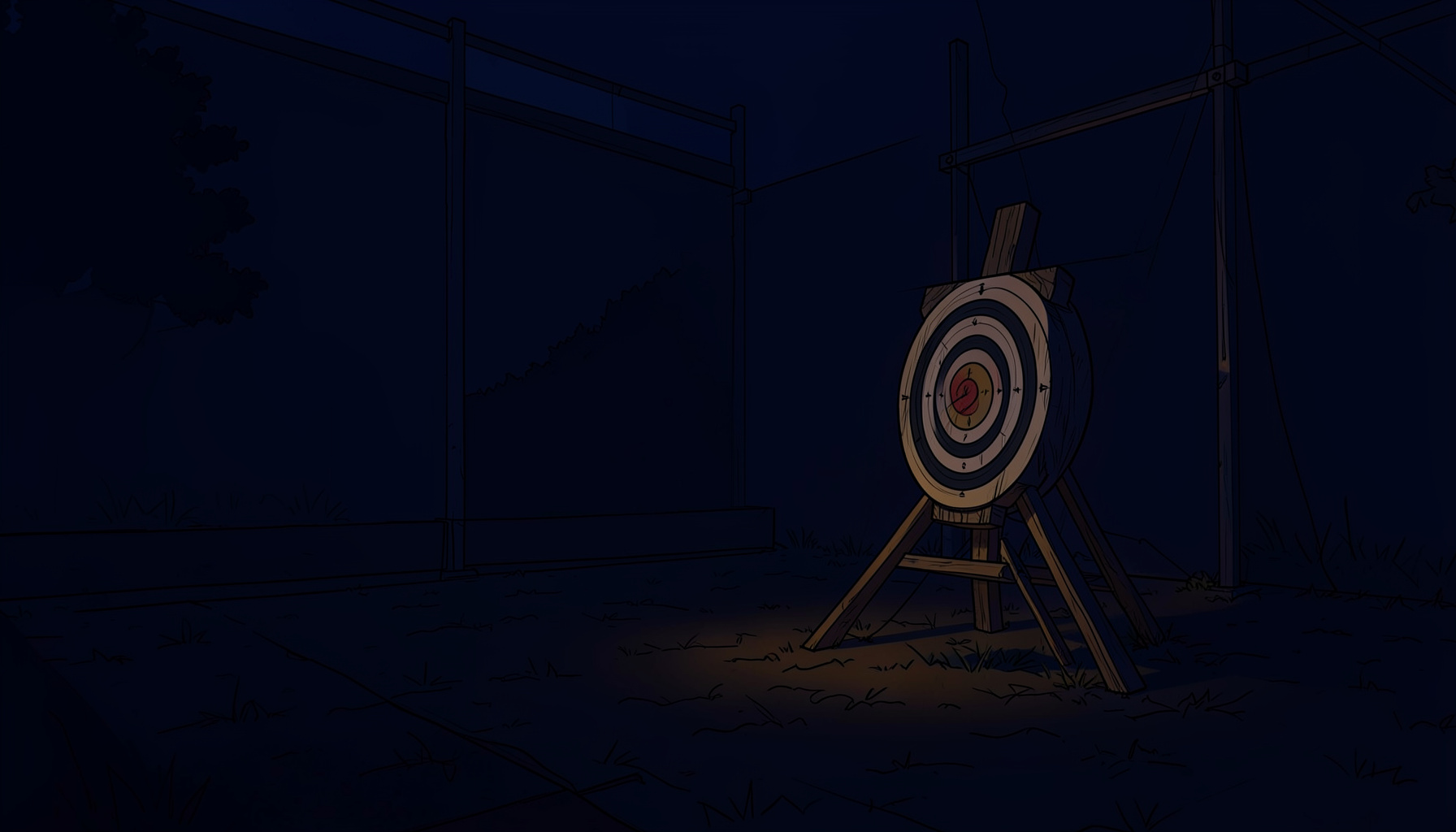
Coastal Archery: Staying Accurate When the Wind Rises
Shooting beside the sea adds a changing tactical challenge to archery. Salt air, open ground and gusts moving across a range can alter an arrow’s path within seconds, so reliable performance depends on observation as much as strength. A calm-looking coastline can still produce turbulent air around dunes, cliffs, trees and buildings. Learn more about Insemecargese.com.
These conditions are familiar to Australian archers, whether they train near Sydney, Perth, Adelaide or a smaller coastal community. Checking the Bureau of Meteorology forecast, carrying water and applying sunscreen are sensible habits before a session, but preparation also needs to include wind direction, gust speed, range rules and a clear decision about when to stop.
Read The Coastal Wind Before Shooting
Wind near the water rarely behaves as a single, steady force. A sea breeze may strengthen through the afternoon, while cliffs and headlands can redirect air sideways. On a sheltered range, the wind may feel light at the shooting line but become stronger across the target distance. Watch grass, flags, tree branches and loose dust at several points rather than relying on one indicator.
Spend a few minutes observing before setting a scoring rhythm. Compare the forecast with actual conditions and pay particular attention to gusts. A consistent crosswind can be managed; sudden changes are harder because they affect aiming, release timing and arrow flight differently from shot to shot. If the breeze becomes unpredictable, pause rather than trying to force a personal best.
The club’s background and activities reflect the value of learning across traditional, recurve, compound, field and 3D formats. Each discipline can teach a different lesson about reading terrain and adapting without rushing.
Stabilise Your Stance And Equipment
A strong coastal stance begins with balanced pressure through both feet. Keep the feet comfortably apart, soften the knees and avoid leaning into the wind. Leaning may feel like a way to resist the gust, but it changes the bow shoulder and makes the release less repeatable. Keep the head position steady and allow the body to remain relaxed.
Check equipment before adjusting your aim. A compound bow with a long stabiliser may feel more resistant to movement, while a traditional or barebow setup gives the wind greater influence over the bow hand. Recurve archers should watch for excessive grip tension, and all archers should inspect fletchings, nocks and string condition. Never make a major equipment change during a competition without understanding its effect on arrow clearance and tuning.
Arrow selection matters as well. Heavier arrows generally carry momentum more effectively in difficult air, but spine, point weight and bow poundage must remain compatible. A local pro shop or qualified coach can help compare arrow setups rather than relying on a simple “heavier is better” rule.
Match Your Tactics To The Wind
The most useful adjustment is often timing rather than a dramatic change in aim. Wait for a repeatable lull, draw smoothly and complete the shot before the next gust arrives. If the wind is constant, a small sight adjustment or a consistent aiming reference may work. If it is shifting, maintain the same form and accept a wider group instead of chasing every arrow.
| Wind condition | Main risk | Practical response |
|---|---|---|
| Light, steady crosswind | Gradual horizontal drift | Make a small, repeatable sight or aiming adjustment |
| Strong crosswind | Arrow displacement and body movement | Use a stable stance, wait for rhythm and shorten the session if needed |
| Headwind or tailwind | Changed arrow height and timing | Keep the bow level and confirm elevation with practice arrows |
| Gusting, variable wind | Inconsistent groups | Pause between ends and shoot only during predictable windows |
| Wind around cliffs or trees | Turbulence and sudden direction changes | Observe the target zone and increase caution before continuing |
Field and 3D courses can make wind reading more complex because targets may sit at different elevations or behind natural features. A gust at the shooting peg may not match the air moving around a target. Events such as the mountain championship highlight how terrain, distance and changing conditions can become part of the technical challenge rather than background scenery.
Practise For Changing Conditions
Wind practice should build judgement, not encourage reckless shooting. Begin at a shorter distance with a large target face, then extend the range only when the group remains controlled. Shoot small ends and record wind direction, approximate strength, distance and where the arrows landed. This creates useful evidence for future sessions.
Australian archers should also factor in range access and local regulations. Archery is not automatically permitted in public reserves, beaches or open bushland, and state or territory rules can differ. Use an authorised club or approved range, follow its exclusion zones and supervision requirements, and transport bows and arrows securely according to the venue’s instructions. Never shoot near walkers, swimmers, roads, homes or livestock.
- Check the Bureau of Meteorology forecast and compare it with conditions at the range.
- Use a short warm-up to test arrow drift before beginning scored ends.
- Practise a consistent pause during gusts instead of releasing under pressure.
- Keep spare nocks, fletchings, sunscreen and drinking water in the equipment bag.
- Stop when wind, visibility or range safety becomes uncertain.
Build A Reliable Coastal Routine
A repeatable routine reduces the temptation to make a new correction after every arrow. Start by checking the range, targets, shooting line and wind indicators. Confirm that everyone understands the range commands and that equipment is appropriate for the session. Then shoot a few unscored arrows to establish a reference group.
For compound archers, maintain a controlled draw cycle and avoid holding at full draw while waiting through a long gust. Recurve and traditional archers may benefit from a shorter anchor-to-release window, provided it does not create rushed form. Across every style, keep the bow pointed safely towards the target and collect arrows only when the range is declared clear.
Windy conditions are useful when treated as structured practice. Record what changed, retain the techniques that produced repeatable groups and finish before fatigue damages safety or form. The practical takeaway is simple: read the whole range, wait for a predictable moment, and make the smallest adjustment that keeps the shot controlled.