Cracking the Code of Archery Scoring in Target Competitions
For anyone stepping onto the shooting line for the first time, the array of numbers, rings and codes on a scorecard can feel like learning a second language. Target archery scoring follows a few logical patterns, but the specific rules change depending on the round, the distance and the federation running the event. Knowing how points are awarded, how ties are broken and how rounds are classified helps shooters in Brisbane, Melbourne or anywhere else turn a sheet of scribbled numbers into a clear picture of their progress.
The systems used in Australia largely mirror those set by World Archery, with Archery Australia adapting the rulebook for local club competitions and state championships. Beginners often pick up the basics in a single training arvo, yet the finer points — set-system matches, cumulative totals and ring dimensions — reward those who take the time to study them properly.
How a Target Face Translates Into Points
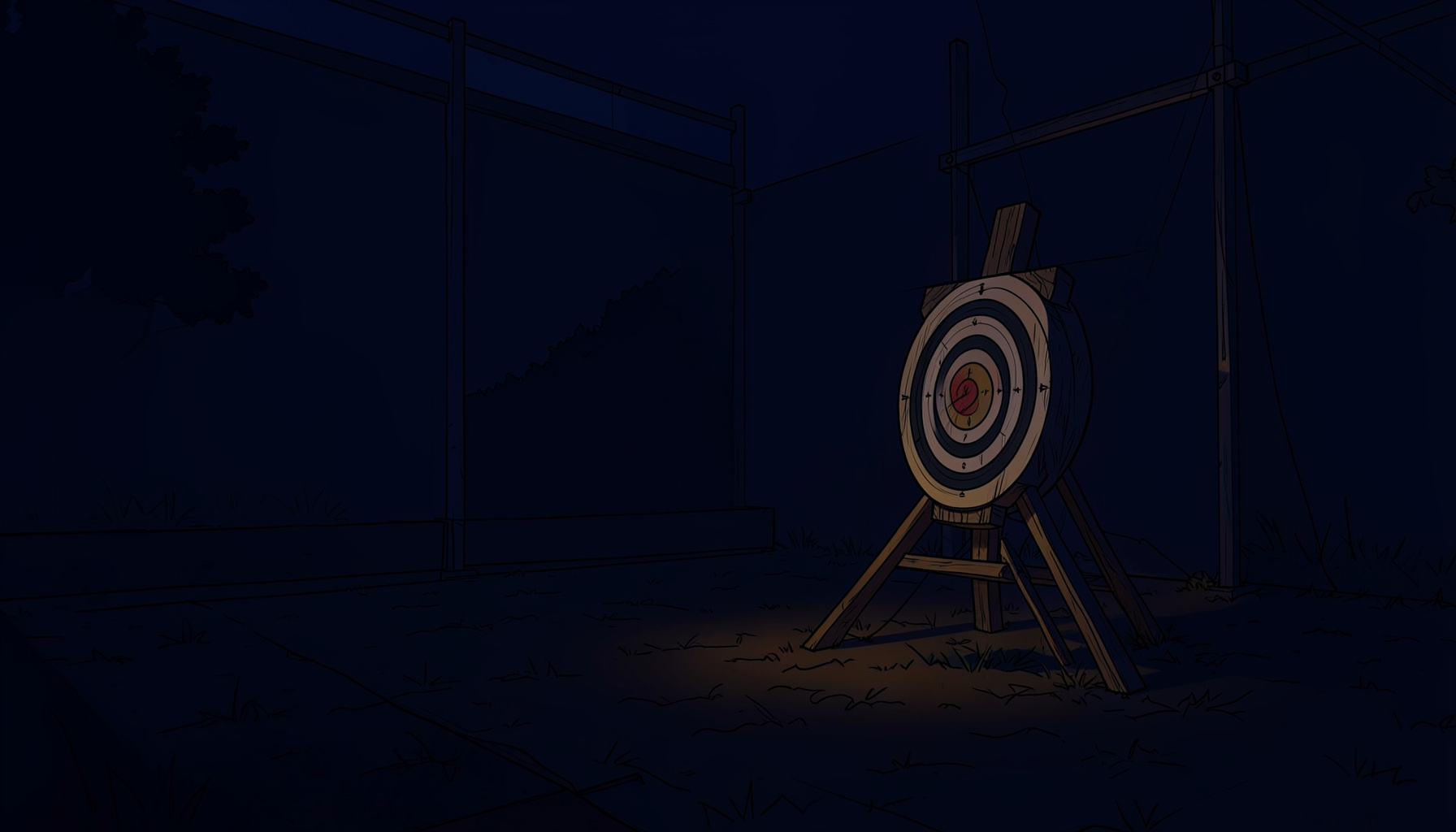
A standard 122 cm target face is divided into ten concentric scoring zones, with the innermost gold ring worth ten points and the outermost white ring worth one. The two inner rings of gold are typically printed as an inner X (the ten ring) and an outer ten, with the X used as a tiebreaker when shooters finish on identical scores. Smaller faces exist for indoor rounds — a 40 cm face at 18 m is common in Australian club halls — but the colour sequence and point values stay the same.
Hits are read from the centre outward. If an arrow touches a line between two zones, it scores the higher value. Most recurve and compound shooters quickly learn to call their shots confidently, since hesitation often leads to disputes with the scorer. Archery Australia's official scorecards include separate columns for arrow values, running totals and any penalties for late shots or equipment faults, so keeping your card tidy is part of the discipline itself.
Indoor Rounds Versus Outdoor Rounds
| Round Type | Typical Distance | Face Size | Number of Arrows | Common Use in Australia |
|---|---|---|---|---|
| WA 18m Indoor | 18 m | 40 cm | 60 | Club competitions, state indoors |
| WA 25m Indoor | 25 m | 60 cm | 60 | Intermediate indoor events |
| WA 70m Outdoor | 70 m | 122 cm | 72 | Ranking events, national championships |
| WA 60m Outdoor | 60 m | 122 cm | 72 | Junior and intermediate outdoor |
| 3D Animal Rounds | Varies | 3D targets | 24–30 | Field archery, club fun shoots |
Indoor rounds, popular through the cooler months in Sydney and Perth club halls, are shot at shorter distances with smaller faces, making them ideal for sharpening technique when the weather is wild outside. Outdoor rounds, held from spring through autumn, push shooters back to 70 m on a full-size 122 cm face — the same distance used at the Sydney 2000 Olympics. Scores at 70 m look lower than at 18 m simply because the rings are tighter; a 580 out of 720 is a strong club-level result, while elite shooters chase 680 and beyond.
Aussie clubs often run hybrid club nights where beginners shoot a shortened round of 30 arrows at 18 m to get used to scoring before committing to a full 60-arrow session. If you want to see how the different formats compare side by side, the disciplines page at Inseme gives a clear rundown of events recognised by World Archery.
Set System Matches and How Ties Are Broken
When two archers finish a round with identical scores, head-to-head matches use the set system rather than cumulative points. Each set consists of three arrows per archer, and the higher combined score wins two set points. If scores are level after three arrows, each archer earns one set point. The first to reach six set points takes the match, with a single-arrow shoot-off deciding a 5–5 tie.
In ranked events run under Archery Australia rules, cumulative scoring still applies to the qualification round, so every arrow counts toward your national ranking. Shooters often joke about chasing X's, since that count acts as the first tiebreaker, followed by the number of tens, then the number of nines. Keeping your own X-count alongside your running total has become a habit among competitive archers in Adelaide and Hobart clubs alike.
Why Rules Differ Between Federations and Disciplines
World Archery sets the global standard, but national bodies adapt the rulebook to suit local conditions. Archery Australia, for instance, mandates specific timing controls for outdoor rounds and recognises several domestic record categories, including veteran and U15 divisions. Clubs based on the Mediterranean coast, like Inseme Cargèse, follow similar international frameworks while tailoring sessions to their own climate — a contrast to the dry heat archers face in places like Kalgoorlie or Cairns.
Field archery and 3D rounds use an entirely different scoring logic. Instead of concentric rings, targets are marked with scoring zones printed as animal silhouettes or circular dots in uneven terrain, with arrows scored by which zone they strike. These formats reward range estimation and angle judgement, making them a favourite for weekend club shoots across Queensland's bush ranges and Tasmania's forest courses.
Tracking Your Scores the Way the Pros Do
Keeping a personal scorebook — even a simple spreadsheet — pays off quickly. Record the date, round, distance, face size, weather, and your total plus X-count for every session. Reviewing patterns helps you spot whether wind, fatigue or grip changes are costing you points on specific arrows. Many Aussie shooters log their scores in apps that sync with Archery Australia's ranking system, so a good round at a local club meet can still count toward your national handicap.
A practical habit is to walk back to the target with your group and confirm each arrow's value before pulling, since misread scores can snowball over 72 arrows. Pair this with a short cool-down routine, and you'll turn scorecards into a training diary that shows real improvement across a full season.
Whether you shoot at a club on the Mornington Peninsula, in suburban Brisbane or in a quiet coastal town, the scoring system is the same universal language that links archers across continents. Learning it well is the first step toward competing confidently anywhere the sport is practised.