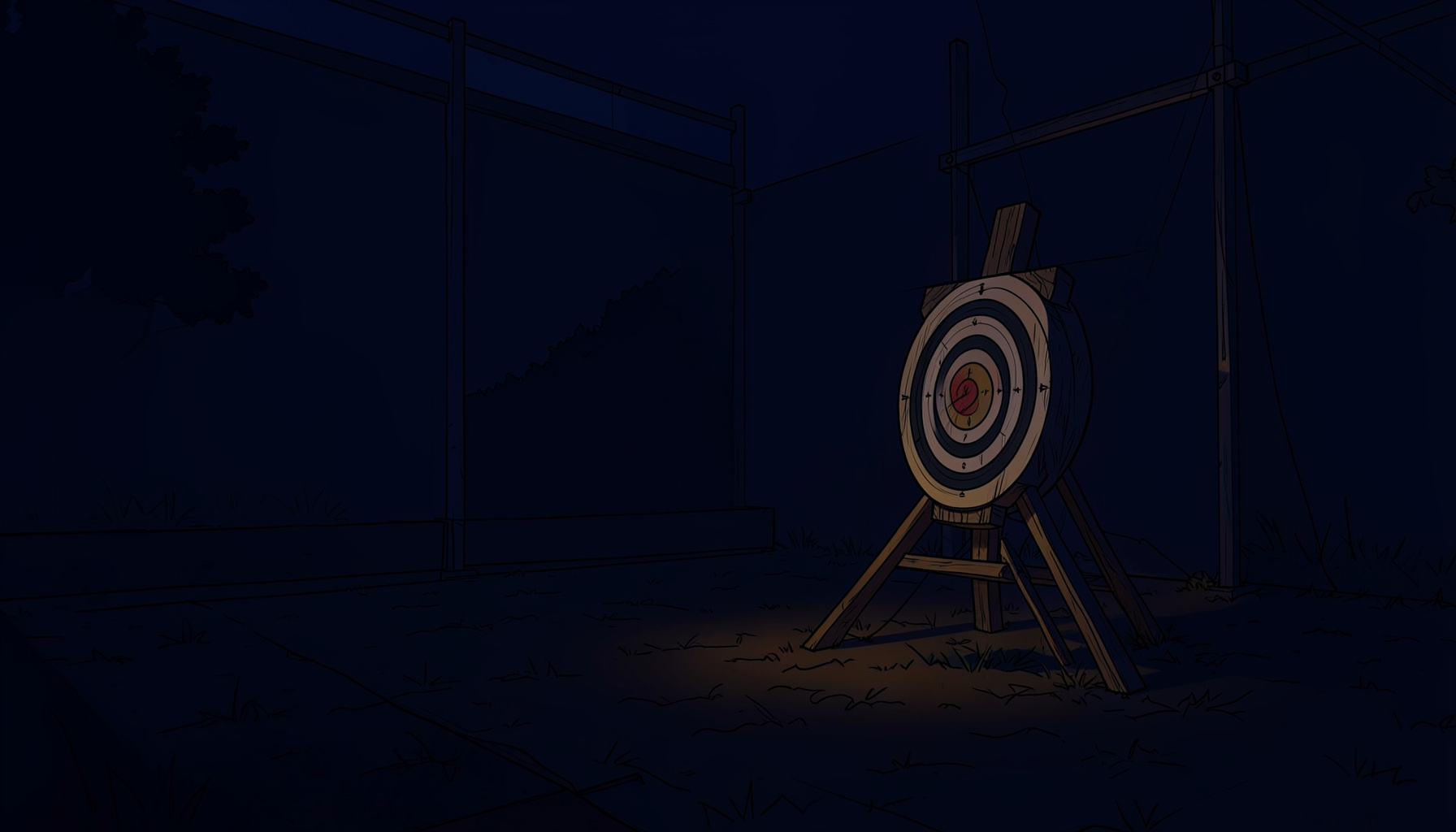
Archery Welcomes Everyone from Juniors to Grandparents
Archery stands apart from most modern sports because the gap between a seven-year-old and a seventy-year-old matters far less than in football, cricket, or rugby. With the right bow and a few safety habits, a grandmother in Geelong can shoot alongside her grandson at a weekend club tournament. Across Australia, family archery sessions have become a regular Saturday morning ritual, blending sport, fresh air, and a quiet kind of focus that suits the country's outdoor-loving culture.
The sport also fits neatly into the Australian way of life. Whether you live near a coastal range in Perth, a suburban club in Brisbane, or a rural property outside Hobart, there is almost always a target range within driving distance. It requires little space, modest equipment, and works for every body type and fitness level.
The Ancient Sport That Bridges Generations
Few activities let three generations of one family train side by side. Archery does, because skill and technique grow with experience, and equipment can be matched to strength. A child might begin with a lightweight training bow, while a parent learns recurve fundamentals, and a grandparent revisits a discipline they first tried decades ago. Many Australian clubs in Melbourne's eastern suburbs and around Sydney's northern beaches host family open days specifically designed for this kind of shared learning.
The sport's long history also gives it a storytelling quality that other pursuits do not carry. From medieval tournaments to the Paralympic disciplines contested in Sydney during the 2000 Games, archery brings a sense of tradition that appeals to older participants and sparks imagination in younger ones. This blend of old and new is part of why multigenerational clubs keep growing in communities from Adelaide to Cairns.
Physical Benefits That Suit Every Body
Archery is gentle on the joints, which makes it ideal for older Australians who want to stay active without the pounding of running or netball. Regular practice builds shoulder stability, core strength, and postural control, all of which support healthy ageing. For younger shooters, it develops hand-eye coordination and a calm, repeatable movement pattern that helps in many other areas of life.
Because training can happen indoors or outdoors, archery adapts to Australia's varied climate. Shooters in Darwin often train in air-conditioned halls during the build-up season, while those in Tasmania make the most of cooler summer evenings. The sport scales with the athlete: someone recovering from injury can still shoot a light bow, and a competitive athlete can push towards elite national events run by Archery Australia.
Mental Focus, Calm, and Steady Breathing
Shooting a bow well requires a quiet mind. Each arrow teaches you to block out distractions, breathe steadily, and commit to a single, deliberate action. Many Australian archers describe the sport as a moving meditation, similar in feel to a surf session at first light or a walk through the bush. The repetitive rhythm lowers heart rate and helps manage everyday stress.
Children often benefit just as much. In a world of constant screens, archery asks for presence. It rewards patience over speed and accuracy over force. Schools in Canberra and Brisbane have begun offering archery as part of their wellbeing programs, with teachers reporting improved classroom concentration among participating students.
Comparing the Main Archery Disciplines
Different styles suit different personalities and goals. The table below outlines the core disciplines available at most Australian clubs, so newcomers can choose a starting point that feels right.
| Discipline | Typical Bow | Best For | Common Setting |
|---|---|---|---|
| Traditional | Longbow or horsebow | History enthusiasts, quiet shooting | Indoor hall, open field |
| Recurve | Olympic recurve | Competitive athletes, precision training | Club range, national events |
| Compound | Cams and pulleys | Hunters, target shooters seeking accuracy | Indoor ranges, 3D courses |
| Field | Various | Outdoor lovers, varied terrain | Bush and forest courses |
| 3D | Compound or traditional | Hunters, family fun | Life-size foam targets |
Each discipline shares the same foundations of stance, draw, and follow-through. Switching later is common, and many archers eventually try several styles. Clubs affiliated with the national body regularly run "try it" days where beginners can test a few options before committing.
Getting Started as a New Australian Archer
Joining a club is the safest, most rewarding way to begin. Qualified coaches will fit a beginner bow, teach correct anchor points, and make sure safety habits stick. Most clubs welcome juniors from age eight or nine and have no upper age limit, with several Australian centres now featuring dedicated seniors' sessions. For those interested in broader coaching standards and global development pathways, the international archery foundation offers useful resources.
A few practical suggestions help newcomers settle in quickly:
- Start with a six-week beginner course at a local club rather than buying gear online.
- Wear closed-toe shoes and tie back long hair for every session.
- Listen carefully during the safety briefing and review the essential safety rules every archer should follow at home.
- Keep a small notebook to record bow weight, arrow length, and personal goals.
- Attend at least one interclub shoot in your first year to meet other archers.
- Try two or three disciplines before deciding which one to focus on.
- Be patient with yourself; steady small improvements matter more than quick scores.
Archery rewards people who show up regularly and pay attention. The archer who turns up to club night in Brisbane every week for a year will improve more than the one who trains hard for a month and then disappears. The sport asks for calm, steady effort, and gives back focus, friendship, and a quiet pride that lasts a lifetime. Pick up a bow, find a local range, and let the arrows do the teaching.