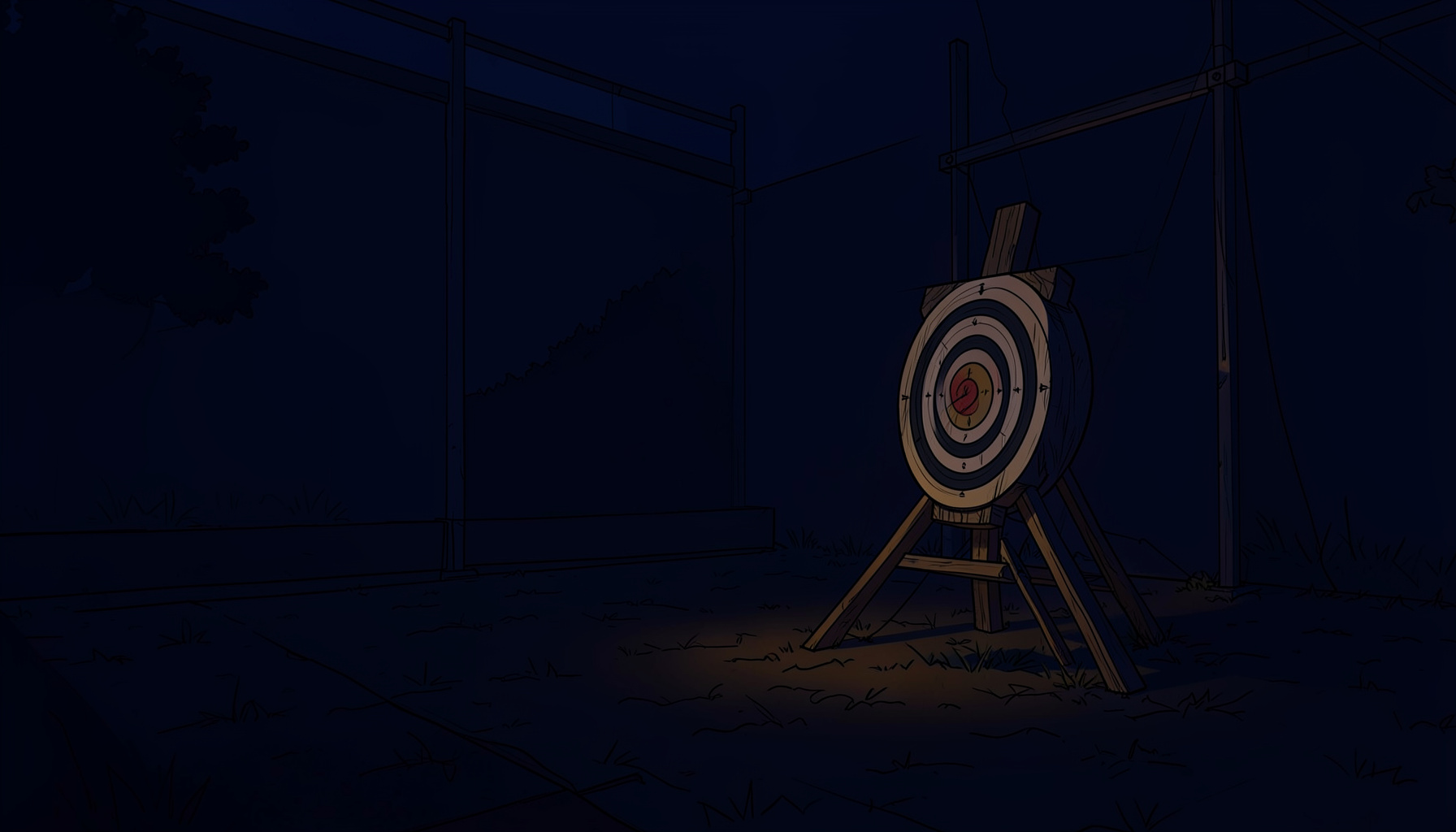
Planning a club trip to a regional 3D archery course
A club outing to a 3D course can combine coaching, competition and friendship without becoming a logistics exercise. These courses replace paper targets with sculpted animals, varied distances and decisions about which arrow to take. A shared plan keeps beginners welcome while giving experienced members a chance to contribute.
For Australian clubs, route, weather and legal conditions matter as much as the equipment list. Clubs in Melbourne, Sydney and Canberra may travel beyond their home range, and some regional sites have limited services. A workable plan covers the venue, transport, scoring, safety and member communication.
Choose a course that fits the club
Begin with the course itself, not simply the nearest town. Check the number of stations, suitable targets for recurve, compound and traditional bows, walking terrain, parking, toilets, shade, drinking water and emergency access. Purpose-built bush courses may be beautiful but exposed; sites near regional centres may offer services but fewer trees.
Ask the operator for current photographs, a sample scorecard, practice-round arrangements and group check-in details. Two members can make a short reconnaissance to confirm what the website omits, especially after rain. Check cancellation terms before paying deposits, then record the exact address and nearest hospital in the trip file.
Set the date around Australian conditions
Early starts offer cooler temperatures and softer light, but daylight changes sharply through the year. In Canberra and inland NSW, summer UV can be intense soon after sunrise; northern Australia brings humidity, storms and wildlife activity instead. Compare forecasts, fire danger ratings and course notices, and leave a daylight margin for the return journey.
For members who dislike dawn starts, preparation advice for early morning routines can be adapted into a simple pre-trip routine: prepare clothing the night before, eat a proper breakfast and arrive before the briefing. An afternoon session can suit cooler southern regions if there is enough daylight for the full round.
Build a transport plan that works
Australian road rules require left-side driving, and regional highways can stretch a short map distance. Minibuses and tow trailers need suitable vehicles, secure tie-downs and generous following distances. Clubs based in Sydney or Melbourne should allow travel buffers and plan fuel stops in larger towns; drivers with learner or provisional licences must check towing and hire restrictions first.
Compare the main travel patterns, with costs depending on distance, group size and accommodation:
| Option | Travel pattern | Best for | Main trade-off |
|---|---|---|---|
| Day trip | Return from Melbourne or Sydney | Clubs wanting a simple outing | Long driving and no overnight recovery |
| Regional base | One night near the selected course | Larger groups or multi-round plans | Extra cost and accommodation |
| Minibus charter | Shared vehicle with a club driver | Mixed groups and equipment | Driver duty, fuel and parking checks |
Choose one arrangement, nominate a trip leader and keep a passenger manifest with the club secretary. Carry some cash for remote fuel stations, download offline maps and agree on a missed-check-in time. If members meet at a central railway station, identify a precise pickup point rather than relying on a general message.
Pack light but prepare properly
Ask whether field points are required, because point type and scoring can vary by course. Some setups accept only certain arrows, and hunting broadheads should never be used unless the venue explicitly permits them. Each archer should check whether a release aid, sight or stabiliser is allowed and carry a spare string.
Australian bow shops in Melbourne, Sydney and Adelaide stock many common items, but taking every option creates bulk. Use a course-specific list covering arrows, quiver, accessories, sunscreen, hat, insect repellent, water and weather protection. Hire unfamiliar gear near the venue where possible, and check insurance exclusions before lending club equipment.
Coach for mixed abilities and changing targets
A 3D round asks archers to judge distance, choose an opening and adapt to obstacles or changing light. Let experienced members explain scoring, then pair beginners with patient coaches for the first practice lane. Practise on the same target faces used on the course; guidance on consistent sight pictures can help with holding a steady aim.
Before scoring begins, identify safe waiting areas, agree when to stop shooting and clarify the arrow-retrieval signal. Use practice rounds for technique, and rotate positions so the same people do not take the hardest lanes. Coaches should watch for fatigue, heat stress and equipment failure without letting the day become an endurance contest.
Protect safety and meet local rules
Public liability insurance, landowner permission and the relevant state or territory archery requirements must be confirmed before departure. Requirements differ between states, so obtain current advice from the state association or land manager instead of assuming another jurisdiction’s permit covers the event. Confirm supervision for juniors and the first-aid volunteer’s current accreditation.
Prepare an emergency plan with the site address, gate access, nearest hospital, first-aid kit and a nominated caller. Mobile coverage can disappear beyond small towns, so mark the location in advance and consider a satellite messenger. Check council fire bans and alcohol restrictions, and bring enough water for the round plus a hot or humid day.
Finish with a clear shared routine
Members are more likely to arrive prepared when details arrive in a familiar format. A pre-trip club newsletter ideas article can help structure an update with the address, departure time, cost, meeting point, packing list and safety briefing. Send the same information through the club’s usual group chat and keep replies in one thread.
The final check should be practical: count arrows and people, verify the first-aid kit, confirm the driver and return time, and brief anyone joining late. Record equipment faults and useful feedback after the round. The dependable trip plan can be explained in one sentence—correct venue, suitable transport, permitted equipment, named safety lead and a realistic schedule—with enough time left for both safe shooting and the social part of the day.