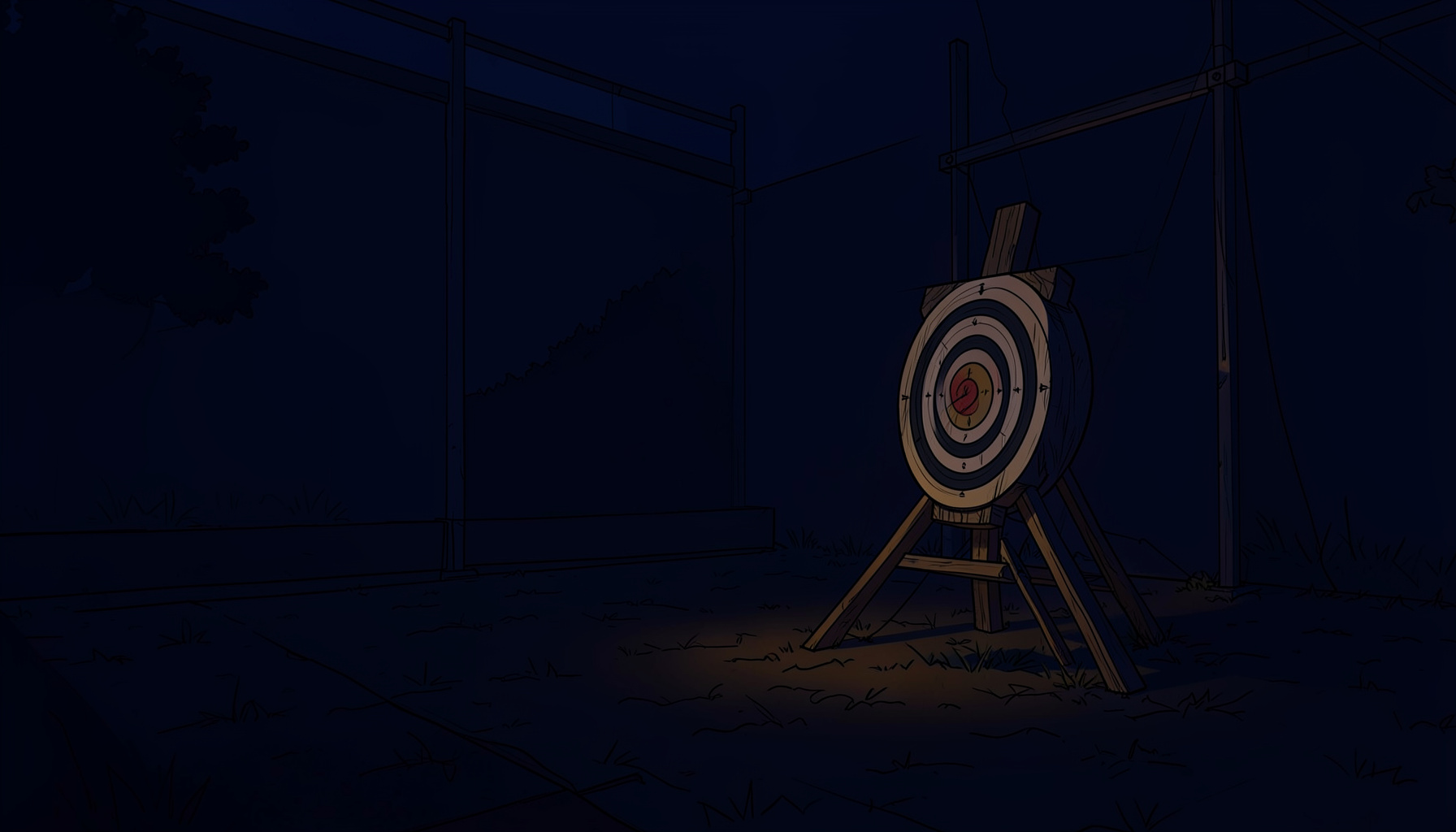
Barebow archery: The skill of shooting without sights
Barebow archery removes the aiming device and asks the archer to locate the target by feel. Draw length, string alignment, anchor and release must become repeatable motor skills rather than settings copied from a sight. It is less about perfect eyesight than perception, control, proprioception and practice.
Instinctive and traditional archery have used this principle for centuries, while modern recurve bows make it accessible to beginners. At Inseme Cargèse, the pathway includes target practice, field courses and social shoots, allowing learners to explore before competition. Good coaching and a forgiving beginner setup matter more than advanced equipment.
For Australian archers, the principle travels well. Melbourne’s changeable weather, Sydney’s coastal humidity and Perth’s dry summer heat can disrupt visual consistency. Club culture often makes the first session relaxed: share a few arrows, watch the line, then “give it a go” together. Regional clubs welcome families and share equipment among members.
Barebow does not mean careless. Draw only when the range is clear, follow the shoot captain’s commands and keep a stable stance before raising the bow. Beginners should expect a wider group, but coaching can turn scatter into a repeatable pattern. The reward is an intuitive shot that works across archery disciplines.
What makes barebow shooting work
Without sights, the archer develops a visual relationship called point of aim: the arrow sits above the centre while the string hides part of the target. This apparent gap, or gapping, compensates for arrow flight. A small aperture and consistent string alignment improve control, but an unadjusted centre aim can send arrows high or low.
The benefits extend beyond nostalgia. Barebow practice sharpens focus, balance, draw-length consistency and shooting without mechanical feedback. For families considering the sport, archery for all ages explains why it can work across generations. Quiet concentration becomes a practical skill, developed one attempt at a time.
Technique, anchor and release
A repeatable shot starts below the aiming line. Set the feet, align the bow hand and establish the drawing hand before lifting the string. The anchor must stay at the same point on the face or jaw, shoulders relaxed and grip free of excess tension.
String alignment matters as much as the anchor. A clean release lets the string move through the anchor without twisting, helping the arrow leave on a predictable path. Let the target guide your focus rather than straining toward it. Keep the dominant eye soft, but avoid micro-adjustments during one shot.
Common faults include a drifting anchor, inconsistent draw length and tension in the draw fingers. Australian coaches often call progress “steady”: small, repeatable gains are the useful measure. Change one fault at a time rather than rebuilding the entire shot between ends.
Training for repeatable accuracy
Training should link technique to fatigue, because a sound position can collapse after twenty arrows. Work at an easy draw weight, rehearse the full sequence and stop while the form remains dependable. Record grouping at fixed distances, then repeat under identical conditions to check whether the pattern is improving.
Strength supports the shot, but it does not replace it. The specificity principle behind Zwift strength sessions applies: train the capacity needed for the task. For archery, this can mean controlled holding, shoulder stability and repeatable release, alongside fitness for carrying gear across a field course.
Local conditions add useful variety. Australian outdoor sessions can bring hard sun, sudden rain or gusty coastal winds; indoor rounds remove weather and distance, while outdoor sessions teach wind reading and footing. Bring water, sun protection and a wind-resistant layer, and follow the range’s shooting-side rules.
Equipment and discipline choices
Most beginners use a recurve bow, and traditional longbows suit a slower, deliberate rhythm. Choose a weight the archer can draw consistently and comfortably, with a coach checking that the equipment is sound. Finger tabs, a simple release aid and minimal stabilisers can help, but excess gear can hide faults.
At Inseme Cargèse, the discipline options cover traditional, recurve, compound, field and 3D target archery, showing that barebow is a method used within several styles. Compound bows often rely on sights; a sighted recurve offers precise calibration; a barebow setup demands more sensory feedback.
The Australian market mixes online specialist stores with advice and loan equipment from clubs, state associations and community ranges. Newcomers can try before purchasing, although bows, strings and arrows need compatible dimensions and safe setup. Visit a club, ask a coach and avoid relying on isolated online advice.
Comparing barebow and sighted archery
Barebow and sighted archery can produce equally accurate results, but they distribute skill differently. A sight reduces visual guesswork and makes small changes easier to measure. Barebow removes that calibration, placing more emphasis on stance, anchor, gapping and recovery after each shot.
Training priorities also differ. Sighted recurve archers refine sight alignment and release timing, while compound users manage draw force, let-off and optic adjustment. Barebow archers work harder on kinesthetic awareness and a repeatable pre-shot routine. Equipment, distance and competition level determine the demands.
| Approach | Main visual aid | Core technical focus | Common use |
|---|---|---|---|
| Barebow recurve | None; point of aim and gapping | Anchor, alignment and sensory feedback | Traditional and target practice |
| Sighted recurve | Adjustable sight pin | Sight alignment, timing and release | Target and competition rounds |
| Compound bow | Sight or scope, often with let-off | Draw force, optic and mechanical consistency | Target and long-distance events |
A barebow practice plan
A sensible barebow programme begins with safety and technique, then adds distance and pressure. These steps suit a club pathway and can be adjusted with a coach.
- Start with a beginner recurve or traditional bow from a club or coach, and confirm draw weight, serving and range setup before shooting.
- Keep a log of grouping, draw weight and consistency; judge technique before chasing smaller scores.
- Practise full sequences in varied light and wind, but use short-distance rounds when visibility is poor.
- Seek regular coaching, obey firing-line commands and leave enough space for bow arms and neighbours.
Barebow archery rewards patience rather than bravado. The shot to remember is not the lucky arrow in the gold, but the controlled shot an archer can reproduce after fatigue, changing weather and a crowded range. Consistency comes from a sound process, repeated calmly and applied safely.