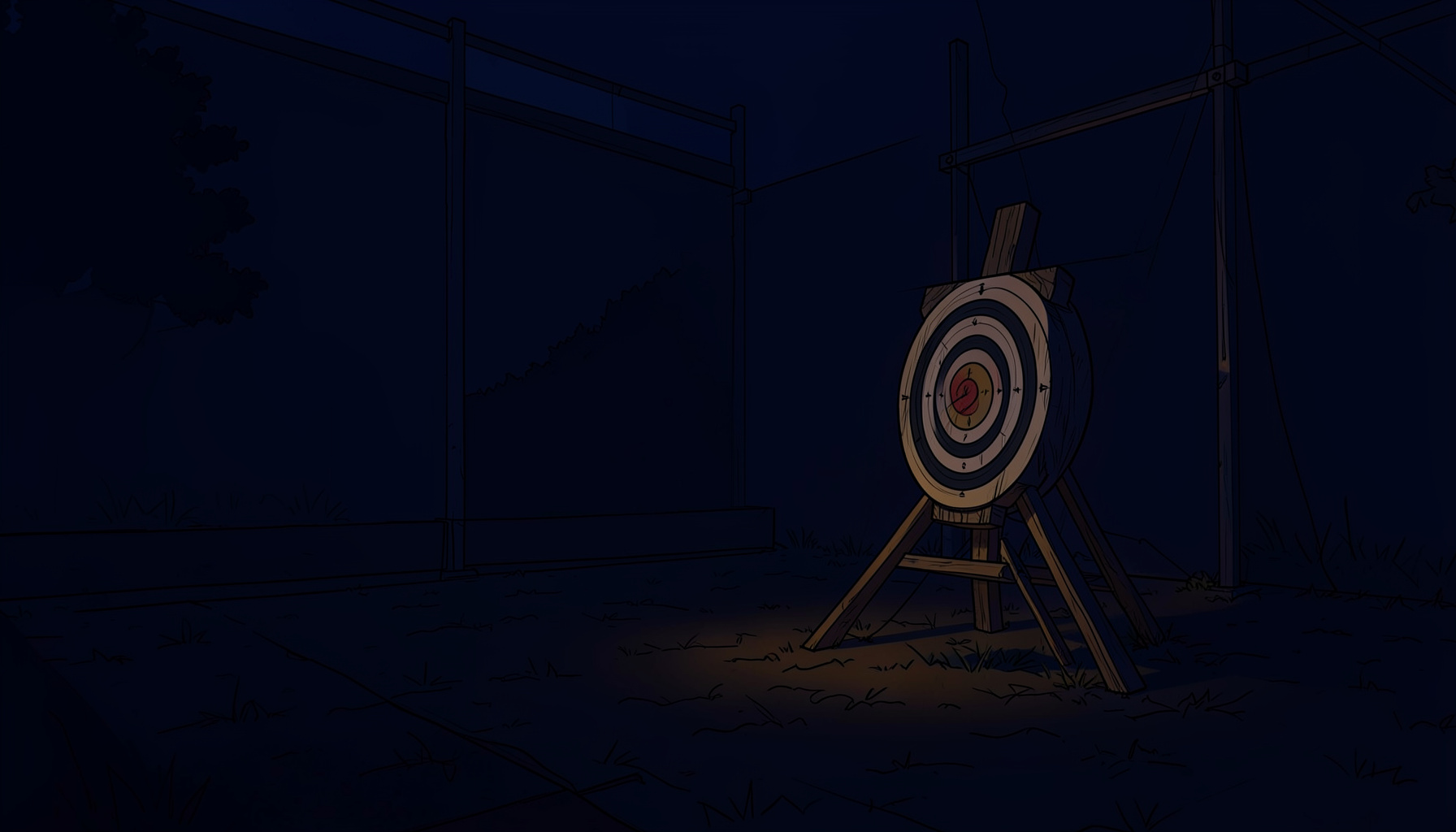
Stronger foundations for every arrow
Archery may appear still from the shooting line, but the body is constantly balancing, breathing and controlling tiny movements. A strong core provides the stability that lets an archer repeat those movements under pressure, whether the target is close or far away.
The core is more than the abdominal muscles visible at the waist. It includes the deeper stabilisers of the trunk, along with the diaphragm, pelvic floor, hips and lower back. Together, they regulate movement and help maintain an efficient shooting posture.
This matters across every discipline practised by clubs such as Inseme Cargese. Traditional, recurve, compound, field and 3D archery may use different equipment and distances, but all depend on controlled force, balance and timing.
Australian archers also face varied conditions, from indoor ranges and coastal wind to hot outdoor sessions and bushland courses. Building a resilient core helps the body manage those variables while keeping attention on the target.
The engine behind a repeatable shot
A shot is a coordinated action involving the feet, legs, hips, trunk, shoulders, arms and hands. The lower body creates the base, the trunk controls that base, and the shoulders and arms complete the draw and release. If the middle of this sequence becomes unstable, energy can be lost or unwanted movement can enter the shot.
Core strength does not mean holding the body rigid. A useful trunk can resist excess movement while still allowing controlled rotation through the hips and upper body. This balance is especially valuable when drawing heavier traditional equipment or making a fast correction during a field round.
Breathing is part of the same system. The diaphragm supports trunk pressure, while a relaxed exhale can reduce stiffness around the shoulders and ribs. A stable breathing pattern helps the archer settle into the anchor and release without changing the position of the draw arm.
Weak links that appear on the target
A weak core often shows itself as inconsistency rather than an obvious inability to shoot. The hips may shift forward, the lower back may arch, or one shoulder may settle lower after the draw. These small changes can alter the aim point and make an otherwise consistent archer feel unpredictable.
Scoring records can reveal the problem. Understanding target scoring systems helps identify whether lost points come from equipment, technique or execution. A repeated pattern of missed ten-rings at full draw may point to balance or endurance that practice alone will not correct.
Fatigue magnifies every weakness. After several long ends, the torso may rotate, the bow arm may tremble and the breathing may become shallow. Core conditioning, combined with sensible draw-weight selection and recovery, can reduce unnecessary movement without turning training into a contest of brute strength.
Training the core for real conditions
Good core training should develop control, force and endurance in positions that resemble shooting. Dead bugs and bird dogs can teach the trunk to remain steady while the limbs move. Side planks, suitcase carries and band Pallof presses add resistance, while split squats and step-ups develop the leg and hip strength needed for a stable push-off.
In Australia, the routine must handle sharp contrasts. A Sydney or Melbourne archer may alternate indoor 60-metre rounds with longer outdoor distances, while a Brisbane or Perth archer may need to practise before sunrise during hot summer months. Humidity, glare and coastal wind can disturb balance and release even when the equipment has not changed.
Local bow shops and online retailers offer recurve, compound and traditional equipment suited to different budgets and competitive goals, but the best bow is only one part of preparation. Many Australian clubs combine formal shooting with a relaxed social gathering, including the familiar club barbecue or sausage sizzle. Training should still be progressive and matched to the archer’s current capacity.
Exercises can begin with two sets of six to eight controlled repetitions and progress as alignment and breathing remain consistent. Tempo matters: a slow, technically clean repetition usually teaches more than a fast rep performed with a crooked pelvis or held breath.
Equipment choices and core load
Core strength cannot compensate for equipment that does not suit the archer. Arrow fit influences the draw, tension and release, so choosing the correct arrow length for the bow and draw length is an essential part of building consistency.
Compound archers still need a stable trunk to resist the bow’s torque, even though the let-off reduces peak draw force. Recurve and traditional archers benefit from support through the back and hips as they manage a sustained draw. Field and 3D archers need additional balance for uneven ground, slopes and rapid changes in shooting position.
Heavy weighted vests and excessive twisting are not prerequisites for a strong core. They can create fatigue that interferes with technique, particularly for beginners. Bodyweight exercises, resistance bands, cables and appropriately loaded medicine balls can provide enough challenge without changing the archer’s posture during practice.
A practice pattern that lasts
A sustainable pattern might include two short strength sessions each week and one longer technique session. One session can focus on trunk control and breathing, another on unilateral leg work and carries, and the third on repeating the full shooting sequence under moderate fatigue. Rest days allow the tissues to recover and help prevent small alignment faults from becoming habits.
The same principle appears in different football formats, where formations change spacing and movement without removing the need for balance. In archery, the body’s “formation” is the relationship between the feet, pelvis, spine, shoulders and bow arm.
The priorities can be compared this way:
| Training priority | Common problem | Better response | Useful exercise |
|---|---|---|---|
| Trunk control | Hips drift during the draw | Keep the pelvis and ribs aligned | Dead bug |
| Lateral stability | Weight shifts onto one leg | Strengthen both sides equally | Side plank |
| Lower-body force | Unstable push-off | Build balanced leg strength | Split squat |
| Rotation control | Excess movement at release | Train measured trunk rotation | Band Pallof press |
| Upper-back support | Shoulders round under tension | Keep the shoulder blades controlled | Bent-over row |
Remember that a resilient core gives the archer something no target can provide: a stable, repeatable base for balance, breathing, control and release.